


The Future of Cardiac Care: Sutureless Heart Surgery vs. Traditional Open Heart Surgery

The Future of Cardiac Care: Sutureless Heart Surgery vs. Traditional Open Heart Surgery What is Traditional Open Heart Surgery? In a traditional aortic valve replacement (AVR), the cardiac surgeon makes an incision down the chest, carefully separates the breastbone to access the heart, and connects the patient to a heart-lung bypass machine. Once the damaged natural valve is removed, the surgeon must meticulously hand-sew the new artificial valve into place using tiny stitches called sutures. A standard valve replacement typically requires 12 to 18 individual sutures, a precise process that takes significant time while the heart is stopped. What is Sutureless Heart Surgery? Sutureless heart surgery utilizes a highly advanced, self-expanding or anchoring artificial valve. Instead of manually stitching the new valve into place, the surgeon removes the diseased valve and positions the new sutureless valve inside the heart. Once deployed, the valve expands and anchors itself securely against the tissue under natural pressure. The surgeon may use just one or two securing stitches for absolute stability, but the process completely eliminates the need for dozens of time-consuming hand-sewn knots. Head-to-Head: How They Compare Feature Traditional Open Heart Surgery Sutureless Heart Surgery Fixation Method 12–18 hand-sewn stitches (sutures) Self-anchoring, expanding framework Time on Bypass Machine Longer (typically 60–90+ minutes) Significantly shorter (often reduced by less time, 50%) Incision Options Requires a full midline chest incision Can be done via a tiny, minimally invasive incision (mini-sternotomy) Recovery Time 6 to 8 weeks for complete healing 2 to 4 weeks with less post-op discomfort Ideal For Standard patients with no complex anatomy, younger age group High-risk, elderly, or multi-procedure patients The Big Win: Why “Less Time on the Machine” Matters The single greatest advantage of sutureless heart surgery comes down to a clock. During a valve replacement, the patient relies on a heart-lung bypass machine while the heart is temporarily stopped (called cross-clamp time). Because a sutureless valve can be anchored in just a few minutes rather than hand-stitched over half an hour, the overall time the patient spends on the bypass machine is significantly less. For elderly patients, or those with other health conditions like kidney disease (creatinine) or any other co-morbid condition, minimizing bypass time drastically reduces the risk of post-operative complications, stroke, and inflammation, and other complications. Key Benefits of the Sutureless Approach: Minimally Invasive: Because the valve is easier to position, surgeons can often place it through a tiny 2-to-3 inch incision between the ribs, leaving the breastbone completely intact. Rapid Recovery: Less time in the operating room means less time in the ICU, fewer days in the hospital, and a much quicker return to daily life in Chandigarh. Excellent Fluid Dynamics: Sutureless valves do not have a bulky sewing ring, allowing for better blood flow through the newly installed valve. Which Option is Right for You? While sutureless surgery sounds like the obvious choice, it is not a one-size-fits-all solution. Traditional open-heart surgery remains vital for patients with highly complex heart anatomy or those needing multiple complex repairs at once. At Mukat Hospital, our multidisciplinary “Heart Team” evaluates every patient individually. Factors such as age, overall physical fitness, anatomical variations, including different valve anatomies, help us determine which pathway offers the safest, most successful outcome. Considering Cardiac Care? If you or a loved one have been advised to undergo valve surgery, get an expert opinion from the leading cardiac specialists in the Tricity. Sutureless vs Open Heart Surgery Location: Mukat Hospital, Sector 34-A, Chandigarh. 24/7 Emergency & Consultations: +91 90238-84444 Customer Health Location locationCreated with Sketch Beta. Facebook Twitter Youtube Linkedin Instagram
Beat the Heat: A Comprehensive Guide to Heart & Summer Safety in the Tricity
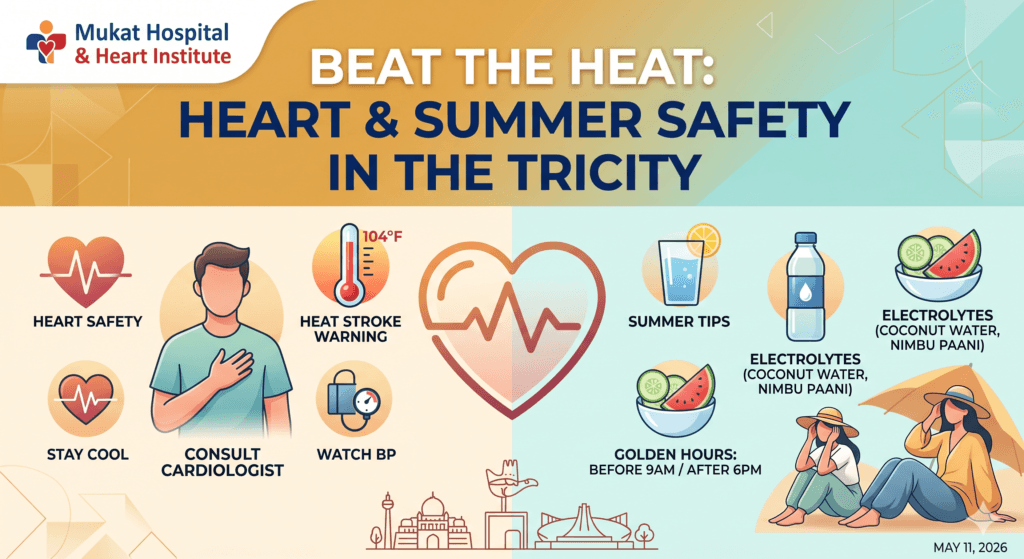
Considering the current date (May 2026) and the typical health concerns for the Chandigarh/Tricity area this time of year, here is a comprehensive blog post drafted for the Mukat Hospital & Heart Institute website. Beat the Heat: A Comprehensive Guide to Heart & Summer Safety in the Tricity As temperatures in Chandigarh and the surrounding areas begin to soar, the heat is more than just a matter of discomfort—it’s a matter of health. For the residents of our beautiful Tricity, staying cool is essential, especially for those managing chronic conditions like hypertension or heart disease. At Mukat Hospital & Heart Institute, we believe that prevention is the first step toward a healthy life. Here is everything you need to know about staying safe during a North Indian summer. Why the Heat is Hard on Your Heart When it’s hot, your heart has to work harder. To cool you down, your body shunts more blood to your skin, which requires your heart to beat faster and pump harder. For individuals with existing cardiac conditions, this extra “overtime” can lead to strain. Watch for these signs: Increased palpitations, shortness of breath, or unusual fatigue during light activity. The Mukat Tip: If you are on blood pressure medication or diuretics, consult your cardiologist. Heat can cause blood pressure to dip, and your dosage may need a seasonal adjustment. Hydration: Beyond Just Water In the dry heat of Chandigarh, you lose fluids through perspiration often without realizing it. Thirst is actually a late sign of dehydration. The 2-Liter Rule: Aim for at least 2-3 liters of water daily. Natural Electrolytes: Include coconut water, buttermilk (lassi), and lemon water (nimbu paani) with a pinch of salt to replace lost minerals. Avoid: Excessive caffeine and sugary sodas, as they can actually increase fluid loss. 3. Recognizing Heat Exhaustion vs. Heat Stroke It is vital to know when a “bad headache” is actually a medical emergency. Symptom Symptom Heat Exhaustion Heat Stroke (Emergency!) Symptom Heat Exhaustion Heat Stroke (Emergency!) Skin Skin Pale, cool, and clammy Hot, red, and dry (no sweat) Skin Pale, cool, and clammy Hot, red, and dry (no sweat) Pulse Fast and weak Rapid and strong Mental State Dizziness or fainting Confusion, slurred speech, or seizures Temperature Temperature Normal or slightly elevated Above 104°F (40°C) If you suspect Heat Stroke, call our 24/7 Emergency Line immediately. 4. Lifestyle Tweaks for Tricity Residents The Golden Hours: Limit outdoor activities (walking, errands, or gardening) to before 9:00 AM or after 6:00 PM. Dress for the Climate: Opt for loose-fitting, light-colored cotton fabrics that allow your skin to breathe. Summer Diet: Switch to “water-heavy” foods. Watermelon, cucumbers, and curd should be staples in your kitchen this month. 5. A Note for Our Seniors Our elderly population is more susceptible to heat-related illnesses as the body’s ability to regulate temperature decreases with age. We encourage family members to check on seniors at least twice a day during peak heatwaves. Comprehensive Care at Mukat Hospital Whether it’s a routine cardiac check-up or an emergency consultation, Mukat Hospital is equipped with state-of-the-art diagnostic tools and a team of seasoned specialists ready to assist you. Specialties Available: Cardiology, Internal Medicine, Orthopedics, Nephrology, and more. Location: Sector 34-A, Chandigarh. Emergency Contact: +91 9023884444 Stay Cool. Stay Hydrated. Stay Healthy. Customer Health Location locationCreated with Sketch Beta. Facebook Twitter Youtube Linkedin Instagram
Stay Healthy This Winter

Stay Healthy This Winter: Practical Tips for Cold Weather Wellness Winter brings a season of joy and celebrations, but it also comes with unique health challenges. From battling colds to managing dry skin, staying healthy during the colder months requires some extra care. By incorporating a few simple habits into your daily routine, you can keep yourself and your loved ones in top form throughout the season. Here are some practical tips from Mukat Hospital to help you stay well this winter. 1. Keep Yourself Hydrated It’s easy to overlook hydration during the winter months, but your body needs water just as much as it does in the summer. Dehydration can lead to fatigue and dry skin, so make sure to drink plenty of fluids. Warm drinks like herbal teas and soups are excellent ways to stay hydrated and cozy. Quick Tip: Regularly sip on water or warm fluids, even if you don’t feel thirsty. Add hydrating foods such as oranges and cucumbers to your diet. 2. Eat a Balanced, Seasonal Diet Fueling your body with nutritious food is essential to staying healthy. Seasonal fruits and vegetables such as citrus fruits, carrots, and spinach are rich in vitamins that boost your immune system. Adding warming spices like ginger and turmeric to your meals can help fend off winter illnesses. Quick Tip: Incorporate home-cooked meals using fresh ingredients to avoid processed foods. Aim for a variety of colors on your plate for a nutrient-rich diet. 3. Layer Up to Stay Warm Protect yourself from the cold by dressing in layers. Start with a thermal base layer, add insulating materials like fleece, and top it off with a waterproof jacket. Don’t forget to keep your hands, feet, and head covered to preserve body heat. Quick Tip: Always keep an extra pair of gloves or socks handy in case of unexpected weather changes. 4. Stay Active and Energized Exercise plays a vital role in keeping you healthy during winter. Regular physical activity improves blood circulation, enhances mood, and strengthens immunity. Whether it’s a brisk walk, yoga, or a home workout, find something you enjoy and stick to it. Quick Tip: Try to exercise during daylight hours to benefit from natural sunlight and lift your spirits. 5. Take Care of Your Skin Cold weather can dry out your skin, leading to irritation. Use a gentle moisturizer daily, especially after showers, to lock in hydration. Avoid long, hot showers that can strip your skin of natural oils. Quick Tip: Use a humidifier indoors to add moisture to the air and prevent your skin from becoming excessively dry. 6. Prioritize Mental Well-being The shorter days and reduced sunlight during winter can affect your mood. Combat this by spending time outdoors in daylight, maintaining regular social interactions, and engaging in hobbies you enjoy. Techniques like meditation can also help reduce stress. Quick Tip: If sunlight is scarce, consider using a light therapy lamp to boost your mood and energy levels. 7. Prevent Common Winter Illnesses Colds and flu are prevalent during winter, but you can minimize your risk by taking precautions. Wash your hands frequently, avoid touching your face, and maintain a healthy diet. Staying up-to-date on flu vaccinations is also highly recommended. Quick Tip: Carry a hand sanitizer for times when soap and water are not available. Keep high-touch surfaces at home clean and disinfected. 8. Listen to Your Body Pay attention to any signs of discomfort or illness. If you experience persistent symptoms like fatigue, breathlessness, or aches, seek medical attention promptly. Mukat Hospital’s experienced healthcare professionals are here to help you with any concerns. By following these practical tips, you can make the most of the winter season while staying healthy and active. Mukat Hospital is dedicated to your health and well-being, offering expert care and guidance whenever you need it. Stay warm, stay healthy, and enjoy the best of winter! Customer Health Location locationCreated with Sketch Beta. Facebook Twitter Youtube Linkedin Instagram
Monsoon Health Tips: Stay Healthy During the Rainy Season
Monsoon Health Tips: Stay Healthy During the Rainy Season The monsoon season brings a refreshing change, offering relief from the sweltering summer heat and painting the surroundings in lush green hues. However, this season also comes with its own set of health challenges. Increased humidity and water stagnation create a breeding ground for various infections. At Mukat Hospital, we emphasize that prevention is better than cure. Here are some detailed tips to help you stay healthy during the monsoon season. Boost Your Immunity A robust immune system is your primary defense against monsoon-related infections. Incorporate immune-boosting foods into your diet, such as: Vitamin C-rich fruits: Oranges, lemons, and guavas. Antioxidant-rich vegetables: Spinach, broccoli, and bell peppers. Herbal teas: Ginger, turmeric, and green tea. Probiotics like yogurt and fermented foods also help maintain gut health, which is crucial for overall immunity. Stay Hydrated Despite cooler temperatures, it’s important to maintain adequate hydration. Drinking enough water helps flush out toxins and supports bodily functions. Aim for at least 8-10 glasses of water daily. To avoid waterborne diseases, ensure that your drinking water is filtered or boiled. Maintain Personal Hygiene Good personal hygiene practices can prevent many monsoon-related illnesses. Key points include: Frequent handwashing: Use soap and water, especially before eating and after using the restroom. Keeping feet dry: Wet feet can harbor fungi and bacteria. Wear waterproof footwear and thoroughly dry your feet if they get wet. Regular showers: Daily showers help remove sweat and grime, reducing the risk of skin infections. Watch What You Eat Food contamination is common during the monsoon, leading to gastrointestinal issues. Follow these tips: Eat freshly cooked food: Avoid raw foods like salads and street food which might be contaminated. Wash fruits and vegetables thoroughly: Use clean, filtered water to wash your produce. Avoid seafood: Monsoon is the breeding season for fish, making them more susceptible to contamination. Protect Yourself from Mosquitoes Stagnant water during the monsoon can become breeding grounds for mosquitoes, which spread diseases like dengue, malaria, and chikungunya. Here’s how to protect yourself: Use mosquito repellents: Apply creams or sprays, and use mosquito nets while sleeping. Wear long-sleeved clothing: Cover your arms and legs to prevent bites. Eliminate stagnant water: Regularly check and empty any containers that can hold water. Stay Active Despite the allure of staying indoors due to gloomy weather, it’s essential to stay active to maintain good health. Engage in indoor exercises like yoga, pilates, or home workout routines. Physical activity helps boost your immune system and improve circulation. Take Care of Your Skin High humidity can cause various skin issues such as fungal infections, acne, and rashes. Maintain a good skincare routine: Keep your skin dry: Use antifungal powder on areas prone to sweating. Moisturize: Use a light, non-greasy moisturizer to keep your skin hydrated without clogging pores. Avoid heavy makeup: Let your skin breathe by minimizing the use of makeup. Dress Appropriately Choosing the right clothing can make a big difference during the monsoon. Opt for: Lightweight and breathable fabrics: Cotton and linen are good choices as they dry quickly and are comfortable. Quick-dry clothing: Avoid heavy fabrics that take a long time to dry. Waterproof accessories: Use raincoats, umbrellas, and waterproof footwear to stay dry. Be Cautious with Air Conditioning While air conditioning provides comfort, excessive use can lead to respiratory issues due to temperature and humidity differences between indoors and outdoors. Set the AC at a moderate temperature and ensure regular maintenance to prevent mold growth. Consult a Doctor if Needed If you feel unwell despite taking precautions, do not hesitate to consult a doctor. Early diagnosis and treatment can prevent complications. Watch for symptoms like high fever, persistent cough, severe headache, and body aches, which might indicate infections like dengue, malaria, or respiratory illnesses. Manage Stress The monsoon can sometimes bring feelings of lethargy and sadness due to the lack of sunlight. Engage in activities that uplift your mood, such as reading, listening to music, or pursuing a hobby. Practicing mindfulness and meditation can also help manage stress and boost your mental well-being. Care for Your Eyes Eye infections like conjunctivitis are common during the monsoon. Protect your eyes by: Avoiding touching your eyes with unclean hands: This prevents the spread of infections. Wearing protective glasses: If you’re riding a bike or walking in the rain, use glasses to shield your eyes. Using clean towels: Ensure that your face towels are clean and dry. Patient-Centric Approach: The well-being and comfort of patients are prioritized, with compassionate care provided at every stage. Affordable Treatment: Mukat Hospital offers quality healthcare services at competitive prices, making it accessible to a wide range of patients. Take Precautions for Children and Elderly Children and the elderly are more susceptible to infections during the monsoon. Ensure they follow good hygiene practices, stay hydrated, and consume nutritious meals. Keep a close eye on their health and consult a doctor at the first sign of illness. Be Prepared for Emergencies Monsoon can sometimes bring about natural disasters like floods and landslides. Be prepared by keeping an emergency kit ready with essentials like: AFirst aid supplies: Bandages, antiseptic creams, and essential medications. Bottled water and non-perishable food items: In case of water contamination or supply disruption. Flashlights and batteries: For power outages. Conclusion: The monsoon season can be enjoyable and refreshing if you take the necessary precautions to protect your health. At Mukat Hospital, we are committed to your well-being and encourage you to follow these tips to stay healthy during the rainy season. Remember, a little care can go a long way in ensuring that you and your loved ones remain safe and healthy. Enjoy the rains, but don’t forget to prioritize your health! Stay safe, stay healthy, and enjoy the monsoon! Customer Health Location locationCreated with Sketch Beta. Facebook Twitter Youtube Linkedin Instagram


