

Monsoon Health Tips: Stay Healthy During the Rainy Season

Monsoon Health Tips: Stay Healthy During the Rainy Season The monsoon season brings a refreshing change, offering relief from the sweltering summer heat and painting the surroundings in lush green hues. However, this season also comes with its own set of health challenges. Increased humidity and water stagnation create a breeding ground for various infections. At Mukat Hospital, we emphasize that prevention is better than cure. Here are some detailed tips to help you stay healthy during the monsoon season. Boost Your Immunity A robust immune system is your primary defense against monsoon-related infections. Incorporate immune-boosting foods into your diet, such as: Vitamin C-rich fruits: Oranges, lemons, and guavas. Antioxidant-rich vegetables: Spinach, broccoli, and bell peppers. Herbal teas: Ginger, turmeric, and green tea. Probiotics like yogurt and fermented foods also help maintain gut health, which is crucial for overall immunity. Stay Hydrated Despite cooler temperatures, it’s important to maintain adequate hydration. Drinking enough water helps flush out toxins and supports bodily functions. Aim for at least 8-10 glasses of water daily. To avoid waterborne diseases, ensure that your drinking water is filtered or boiled. Maintain Personal Hygiene Good personal hygiene practices can prevent many monsoon-related illnesses. Key points include: Frequent handwashing: Use soap and water, especially before eating and after using the restroom. Keeping feet dry: Wet feet can harbor fungi and bacteria. Wear waterproof footwear and thoroughly dry your feet if they get wet. Regular showers: Daily showers help remove sweat and grime, reducing the risk of skin infections. Watch What You Eat Food contamination is common during the monsoon, leading to gastrointestinal issues. Follow these tips: Eat freshly cooked food: Avoid raw foods like salads and street food which might be contaminated. Wash fruits and vegetables thoroughly: Use clean, filtered water to wash your produce. Avoid seafood: Monsoon is the breeding season for fish, making them more susceptible to contamination. Protect Yourself from Mosquitoes Stagnant water during the monsoon can become breeding grounds for mosquitoes, which spread diseases like dengue, malaria, and chikungunya. Here’s how to protect yourself: Use mosquito repellents: Apply creams or sprays, and use mosquito nets while sleeping. Wear long-sleeved clothing: Cover your arms and legs to prevent bites. Eliminate stagnant water: Regularly check and empty any containers that can hold water. Stay Active Despite the allure of staying indoors due to gloomy weather, it’s essential to stay active to maintain good health. Engage in indoor exercises like yoga, pilates, or home workout routines. Physical activity helps boost your immune system and improve circulation. Take Care of Your Skin High humidity can cause various skin issues such as fungal infections, acne, and rashes. Maintain a good skincare routine: Keep your skin dry: Use antifungal powder on areas prone to sweating. Moisturize: Use a light, non-greasy moisturizer to keep your skin hydrated without clogging pores. Avoid heavy makeup: Let your skin breathe by minimizing the use of makeup. Dress Appropriately Choosing the right clothing can make a big difference during the monsoon. Opt for: Lightweight and breathable fabrics: Cotton and linen are good choices as they dry quickly and are comfortable. Quick-dry clothing: Avoid heavy fabrics that take a long time to dry. Waterproof accessories: Use raincoats, umbrellas, and waterproof footwear to stay dry. Be Cautious with Air Conditioning While air conditioning provides comfort, excessive use can lead to respiratory issues due to temperature and humidity differences between indoors and outdoors. Set the AC at a moderate temperature and ensure regular maintenance to prevent mold growth. Consult a Doctor if Needed If you feel unwell despite taking precautions, do not hesitate to consult a doctor. Early diagnosis and treatment can prevent complications. Watch for symptoms like high fever, persistent cough, severe headache, and body aches, which might indicate infections like dengue, malaria, or respiratory illnesses. Manage Stress The monsoon can sometimes bring feelings of lethargy and sadness due to the lack of sunlight. Engage in activities that uplift your mood, such as reading, listening to music, or pursuing a hobby. Practicing mindfulness and meditation can also help manage stress and boost your mental well-being. Care for Your Eyes Eye infections like conjunctivitis are common during the monsoon. Protect your eyes by: Avoiding touching your eyes with unclean hands: This prevents the spread of infections. Wearing protective glasses: If you’re riding a bike or walking in the rain, use glasses to shield your eyes. Using clean towels: Ensure that your face towels are clean and dry. Patient-Centric Approach: The well-being and comfort of patients are prioritized, with compassionate care provided at every stage. Affordable Treatment: Mukat Hospital offers quality healthcare services at competitive prices, making it accessible to a wide range of patients. Take Precautions for Children and Elderly Children and the elderly are more susceptible to infections during the monsoon. Ensure they follow good hygiene practices, stay hydrated, and consume nutritious meals. Keep a close eye on their health and consult a doctor at the first sign of illness. Be Prepared for Emergencies Monsoon can sometimes bring about natural disasters like floods and landslides. Be prepared by keeping an emergency kit ready with essentials like: AFirst aid supplies: Bandages, antiseptic creams, and essential medications. Bottled water and non-perishable food items: In case of water contamination or supply disruption. Flashlights and batteries: For power outages. Conclusion: The monsoon season can be enjoyable and refreshing if you take the necessary precautions to protect your health. At Mukat Hospital, we are committed to your well-being and encourage you to follow these tips to stay healthy during the rainy season. Remember, a little care can go a long way in ensuring that you and your loved ones remain safe and healthy. Enjoy the rains, but don’t forget to prioritize your health! Stay safe, stay healthy, and enjoy the monsoon! Customer Health Location locationCreated with Sketch Beta. Facebook Twitter Youtube Linkedin Instagram
Umbilical Hernia Treatment – Mukat Hospital

Umbilical Hernia Treatment – Mukat Hospital An umbilical hernia happens when a part of the intestine omentum pushes through an opening in the abdominal muscles near the belly button (umbilicus). This condition is common, especially in infants, and is usually harmless. However, there are instances where it can lead to complications, necessitating medical attention. Mukat Hospital is well-equipped to provide comprehensive care for umbilical hernia patients, utilizing advanced medical technology and a team of experienced healthcare professionals. What is an Umbilical Hernia? An umbilical hernia appears as a bulge or swelling in the belly button area. It is particularly common in infants, especially those born prematurely. Typically, these hernias close on their own by the time the child is 1 to 2 years old. However, in some cases, an umbilical hernia can persist into adulthood or develop in adults due to various reasons such as: Obesity: Excess weight can place additional pressure on the abdominal area. Multiple Pregnancies: The abdominal muscles may weaken after several pregnancies. Chronic Cough: Persistent coughing can increase abdominal pressure. Heavy Lifting: Frequently lifting heavy objects can strain the abdominal muscles. Constipation: Straining during bowel movements increases pressure on the abdominal muscles. Previous Surgery History: Past surgeries can weaken the abdominal wall, making it more susceptible to hernias. Symptoms of Umbilical Hernia The primary indication of an umbilical hernia is a noticeable bulge near the belly button. Other symptoms might include: Pain or tenderness around the hernia site Swelling or discoloration of the skin around the belly button Vomiting (in severe cases) In infants, the bulge may become more visible when the baby cries, coughs, or strains. Diagnosis of Umbilical Hernia Diagnosing an umbilical hernia at Mukat Hospital involves a thorough physical examination by a healthcare professional. The doctor will look for a swelling near the belly button that can be / can’t be pushed back into the abdomen. Sometimes, imaging tests like an ultrasound or CT scan might be needed to get a clearer view of the hernia and its severity. Treatment Options at Mukat Hospital Mukat Hospital is known for its patient-focused approach and advanced treatment options. The treatment for an umbilical hernia depends on the size of the hernia, the symptoms, and the patient’s age. Surgical Treatment If the hernia persists beyond 2-3 years of age in children, becomes painful, or causes complications such as obstruction or strangulation, surgery is recommended. In adults, surgery is usually advised as umbilical hernias are less likely to heal on their own and have a higher risk of complications. Hernioplasty (Hernia Repair) – In most of the cases, it’s being done by minimal invasive technique or by laparoscopy. The standard procedure for treating an umbilical hernia is hernioplasty. This surgery involves: Preparation: The patient undergoes preoperative assessments to ensure they are fit for surgery. Anesthesia: General or regional anesthesia is administered, depending on the patient’s age and health condition. Incision: A small incision is made near the hernia site. Repair: The protruding tissue is gently pushed back into the abdominal cavity. The opening in the abdominal wall is then stitched closed. A synthetic mesh is used to reinforce the area and prevent recurrence. Closure: The incision is closed with sutures or surgical glue. Only one or two day hospital stay is required. Postoperative Care and Recovery Postoperative care is essential for a smooth recovery. At Mukat Hospital, the medical team provides detailed guidelines for post-surgery care, which include: Pain Management: Pain relief medications are prescribed to manage discomfort. Wound Care: Keeping the incision site clean and dry is crucial to prevent infections. Activity Restrictions: Patients are advised to avoid strenuous activities and heavy lifting for a few weeks. Follow-Up Appointments: Regular follow-up visits ensure proper healing and early detection of any complications. Laparoscopic hernia surgery offers very minimal pain, minimal hospital stay, early return to day to day activities and lesser chance of postoperative complications (seroma / recurrence). Most patients recover within a few weeks, although individual recovery times can vary. Why Choose Mukat Hospital for Umbilical Hernia Treatment? Mukat Hospital is recognized for its excellence in healthcare, providing numerous benefits for patients seeking treatment for umbilical hernia: Experienced Surgeons: The hospital has a team of highly skilled and experienced surgeons specializing in hernia repairs. Advanced Technology: Mukat Hospital is equipped with cutting-edge medical technology, ensuring precise and effective treatments. Comprehensive Care: The hospital offers holistic and personalized care from diagnosis to postoperative care. Patient-Centric Approach: The well-being and comfort of patients are prioritized, with compassionate care provided at every stage. Affordable Treatment: Mukat Hospital offers quality healthcare services at competitive prices, making it accessible to a wide range of patients. Conclusion: Umbilical hernias, while common, should not be ignored, especially if symptoms worsen or complications arise. Mukat Hospital offers top-notch treatment options, combining medical expertise with compassionate care to ensure the best outcomes for patients. If you or a loved one is dealing with an umbilical hernia, consider Mukat Hospital for a trusted and effective solution. Customer Health Location locationCreated with Sketch Beta. Facebook Twitter Youtube Linkedin Instagram
Spine Tumor Treatment – Mukat Hospital
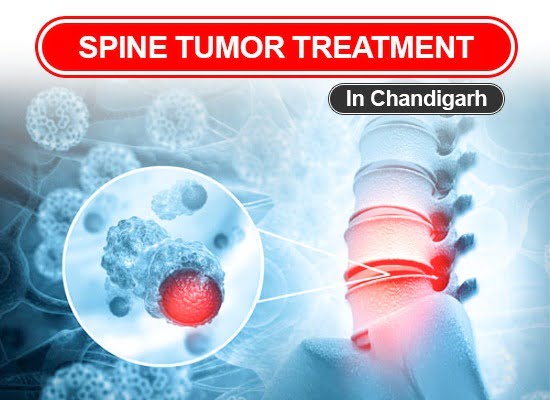
Spine Tumor Treatment – Mukat Hospital Facing a spine tumor diagnosis can be overwhelming, bringing numerous physical and emotional challenges. At Mukat Hospital, our commitment is to provide advanced, comprehensive treatment for spine tumors, ensuring our patients receive the highest standard of care. This blog will detail the various aspects of spine tumor treatment at Mukat Hospital, showcasing our modern technology, multidisciplinary approach, and focus on patient-centered care. Understanding Spine Tumors A spine tumor is an abnormal growth within or around the spinal cord or spine. These tumors can be primary (originating in the spine) or secondary (spreading from other body parts). They may be benign (non-cancerous) or malignant (cancerous), and their location significantly impacts symptoms and treatment options. Common symptoms include back pain, neurological deficits, and, if untreated, potential paralysis. Diagnostic Excellence At Mukat Hospital, we emphasize accurate and early diagnosis, crucial for effective spine tumor treatment. Our diagnostic process includes: Advanced Imaging Techniques: We use MRI, CT scans, and PET scans to obtain high-resolution images for precise localization and characterization of spine tumors. Biopsy Procedures: Our specialists perform minimally invasive biopsies to collect tissue samples when necessary, ensuring an accurate diagnosis Comprehensive Neurological Assessment: Neurologists conduct thorough examinations to assess the tumor’s impact on the nervous system, guiding the treatment planning. Multidisciplinary Treatment Approach Spine tumor treatment at Mukat Hospital involves a collaborative effort from a team of specialists, including neurosurgeons, oncologists, radiologists, pathologists, and rehabilitation therapists. This multidisciplinary approach ensures that each patient receives a personalized treatment plan tailored to their specific needs. Surgical Intervention Surgery often plays a central role in treating spine tumors, especially when they cause significant neurological deficits or pain. Our neurosurgeons are highly skilled in performing complex spine surgeries using minimally invasive techniques when possible. Surgical options include: Tumor Resection: The primary goal is to remove as much of the tumor as possible while preserving neurological function. Advanced techniques like intraoperative imaging and neuro-navigation enhance the precision of tumor removal. Spinal Stabilization: When the tumor compromises spinal stability, our surgeons reinforce the spine through procedures like spinal fusion or the placement of spinal implants. Chemotherapy and Targeted Therapy For malignant spine tumors, chemotherapy and targeted therapy are vital parts of the treatment regimen. Our medical oncologists collaborate closely with the multidisciplinary team to select the most appropriate chemotherapy agents and targeted therapies based on the tumor’s specific characteristics. Rehabilitation and Supportive Care Recovering from spine tumor treatment can be challenging. At Mukat Hospital, we offer comprehensive rehabilitation and supportive care to help patients regain their strength and improve their quality of life. Our services include: Physical Therapy: Customized exercise programs to enhance mobility, strength, and overall physical function. Pain Management: A multimodal approach to pain management, including medications, nerve blocks, and alternative therapies like acupuncture. Psychological Support: Counseling and support groups help patients and their families cope with the emotional and psychological impact of a spine tumor diagnosis and treatment Cutting-Edge Research and Clinical Trials Mukat Hospital is at the forefront of spine tumor research, continually seeking to improve treatment outcomes through innovation and clinical trials. Our patients have access to the latest advancements in spine tumor treatment, including experimental therapies and novel surgical techniques. Participation in clinical trials provides patients with the opportunity to receive cutting-edge treatments that may not yet be widely available. Patient-Centered Care At Mukat Hospital, we believe in treating the whole person, not just the tumor. Our patient-centered care philosophy is reflected in every aspect of our treatment approach: Personalized Treatment Plans: Each patient’s treatment plan is customized to address their unique medical, physical, and emotional needs. Comprehensive Support Services: From nutritional counseling to financial assistance, we offer a range of support services to help patients navigate their treatment journey. Family Involvement: We encourage family involvement in the treatment process, recognizing the crucial role that loved ones play in a patient’s recovery. Conclusion: Mukat Hospital is committed to providing world-class treatment for spine tumors, combining cutting-edge technology, a multidisciplinary approach, and compassionate patient care. Our goal is to not only treat the tumor but also to support our patients in every step of their journey towards recovery. If you or a loved one is facing a spine tumor diagnosis, trust Mukat Hospital to deliver the best possible care with empathy and excellence. For more information or to schedule a consultation, please Call +91 9023884444, Your health and well-being are our top priorities, and we are here to support you every step of the way. Customer Health Location locationCreated with Sketch Beta. Facebook Twitter Youtube Linkedin Instagram
Understanding Inguinal Hernia and the Importance of Surgery: A Comprehensive Guide from Mukat Hospital, Chandigarh

Understanding Inguinal Hernia and the Importance of Surgery: A Comprehensive …
Heart Pacemaker Surgery in Chandigarh – Mukat Hospital

Heart Pacemaker Surgery in Chandigarh – Mukat Hospital Heart health is critical, and medical technology advancements have significantly improved the quality of life for those with heart conditions. One notable advancement is the pacemaker, a small device that helps regulate heartbeats. Pacemaker surgery at Mukat Hospital in Chandigarh delivers top-notch cardiac care for those with heart rhythm issues. Our expert cardiologists excel in pacemaker implantation, offering effective treatment for arrhythmias. The procedure is minimally invasive, ensuring a swift recovery and a quick return to daily activities. With advanced technology and individualized care, Mukat Hospital is dedicated to enhancing the quality of life for heart patients, providing them with renewed hope and vitality. This blog explores the importance of pacemakers, their function, and their significant impact on heart health. What is a Pacemaker? A pacemaker is a small electronic device implanted in the chest or abdomen to help manage irregular heartbeats, known as arrhythmias. It consists of a pulse generator, which houses the battery and the electronic circuitry, and one or more leads, which are wires that deliver electrical impulses to the heart. These impulses prompt the heart to beat at a normal rate and rhythm, ensuring efficient blood circulation throughout the body. How Pacemakers Work The heart’s natural pacemaker, the sinoatrial (SA) node, generates electrical impulses that regulate the heart’s rhythm. When the SA node malfunctions or when the heart’s electrical pathways are blocked, it can lead to arrhythmias. These irregular heartbeats can cause symptoms like fatigue, dizziness, shortness of breath, and even fainting. Severe arrhythmias can lead to life-threatening conditions such as stroke or heart failure.Pacemakers are designed to take over the role of the faulty SA node, ensuring that the heart beats in a regular and synchronized manner. They can be programmed to detect when the heart’s rhythm is abnormal and then send electrical impulses to correct it. This helps in maintaining an adequate heart rate, preventing the symptoms and dangers associated with arrhythmias. Types of Pacemakers There are several types of pacemakers, each tailored to address specific cardiac conditions: Single-chamber pacemaker: This type has one lead placed in the right atrium or right ventricle of the heart. It is used when only one chamber of the heart needs pacing. Dual-chamber pacemaker: This pacemaker has two leads, one in the right atrium and one in the right ventricle. It helps coordinate the timing of contractions between the atria and ventricles, improving the overall efficiency of the heart. Biventricular pacemaker (CRT-P): Used in cardiac resynchronization therapy (CRT), this device has leads in the right atrium, right ventricle, and left ventricle. It helps synchronize the contractions of the left and right ventricles, beneficial for patients with heart failure. Rate-responsive pacemaker: This type adjusts the heart rate based on the patient’s activity level, ensuring the heart rate increases during physical activity and decreases during rest. Benefits of Pacemakers: The implantation of a pacemaker brings numerous benefits, significantly enhancing the quality of life for patients with arrhythmias. Some of the key advantages include: Improved Quality of Life: Patients often experience relief from symptoms such as fatigue, dizziness, and shortness of breath, allowing them to lead more active and fulfilling lives. Increased Life Expectancy: By maintaining a regular heart rate and rhythm, pacemakers reduce the risk of stroke, heart failure, and other complications, thereby increasing life expectancy. Enhanced Exercise Capacity: Many patients find that their ability to engage in physical activities improves significantly, as the pacemaker ensures an adequate heart rate response during exercise. Prevention of Cardiac Events: Pacemakers can prevent dangerous arrhythmias that could lead to sudden cardiac arrest, providing a safety net for patients with severe heart conditions. Customization and Adaptability: Modern pacemakers can be programmed and adjusted to meet the specific needs of each patient, offering personalized therapy that evolves with the patient’s condition. Living with a Pacemaker: While the thought of having a pacemaker implanted might seem daunting, advancements in technology have made the procedure minimally invasive and recovery relatively quick. Most patients can return to their normal activities within a few weeks. Here are some important considerations for living with a pacemaker: Regular Check-ups: Patients with pacemakers need regular follow-ups with their cardiologist to ensure the device is functioning correctly and to make any necessary adjustments. Lifestyle Adjustments: While most activities can be resumed, patients may need to avoid strong electromagnetic fields and certain medical procedures that can interfere with the pacemaker. Awareness and Education: It’s essential for patients and their families to understand how the pacemaker works and what symptoms to watch for that might indicate a problem with the device. Healthy Living: Maintaining a heart-healthy lifestyle, including a balanced diet, regular exercise, and avoiding smoking and excessive alcohol, can optimize the benefits of the pacemaker. Conclusion: At Mukat Hospital, we are committed to providing state-of-the-art cardiac care, and pacemakers are a testament to the incredible advancements in medical technology that can change lives. For patients with arrhythmias, a pacemaker is more than just a device; it is a lifeline that offers hope, stability, and a new lease on life.If you or a loved one are experiencing symptoms of arrhythmia or have been diagnosed with a heart condition that might require a pacemaker, do not hesitate to reach out to our expert cardiologists. Together, we can navigate the journey to better heart health and improved quality of life. Customer Health Location locationCreated with Sketch Beta. Facebook Twitter Youtube Linkedin Instagram
Mukat Hospital: Digestive Disorder Treatment in Chandigarh
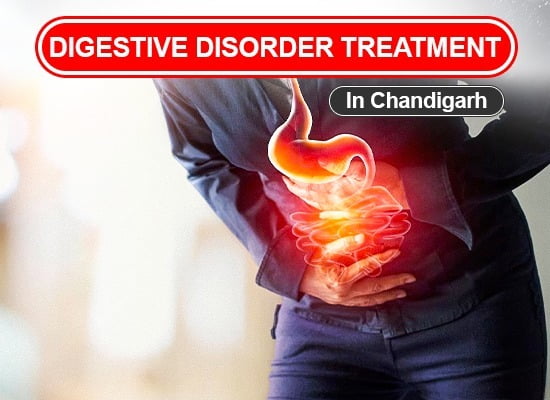
Mukat Hospital: Digestive Disorder Treatment in Chandigarh Digestive disorders are prevalent health concerns affecting individuals across all age groups. In Chandigarh, Mukat Hospital has emerged as a beacon of hope for those grappling with such ailments. With a steadfast commitment to excellence and a multidisciplinary approach to patient care, Mukat Hospital has established itself as a leading institution in the diagnosis, management, and treatment of digestive disorders in the region. Comprehensive Diagnostic Services: Our hospital boasts state-of-the-art diagnostic facilities, equipped with the latest technologies for accurate and comprehensive evaluations of digestive conditions. From endoscopic procedures to advanced imaging techniques and laboratory tests, the hospital offers a wide array of diagnostic services to ensure precise identification and evaluation of gastrointestinal issues. This meticulous approach enables healthcare providers to tailor treatment plans according to each patient’s specific needs, ensuring optimal outcomes. Collaborative Treatment Approach: At Mukat Hospital, collaboration is at the heart of patient care. A team of highly skilled gastroenterologists, surgeons, nutritionists, and other healthcare professionals work together to develop holistic treatment plans for patients with digestive disorders. By leveraging their collective expertise and experience, the multidisciplinary team addresses not only the symptoms but also the underlying causes of the conditions, aiming for long-term improvement in patients’ health and quality of life. Advanced Treatment Options: In keeping with its commitment to providing the best possible care, Our hospital offers a wide range of advanced treatment options for digestive disorders. From minimally invasive endoscopic procedures to complex surgical interventions, patients have access to cutting-edge therapies designed to alleviate symptoms and improve overall gastrointestinal health. These advanced treatment modalities are performed by experienced medical professionals who prioritize patient safety and well-being at every step of the process. Patient-Centered Care: Here a strong emphasis on patient-centered care, recognizing that each individual’s journey towards healing is unique. From the moment patients walk through the doors, they are greeted with warmth, empathy, and respect. The healthcare team takes the time to listen to patients’ concerns, answer their questions, and involve them in decision-making regarding their treatment plans. This patient-centric approach fosters trust, confidence, and a sense of empowerment among patients, ultimately contributing to better treatment outcomes. Community Engagement: Beyond its role as a healthcare provider, We actively engaged in community outreach and education initiatives aimed at promoting digestive health awareness. Through workshops, seminars, health camps, and public awareness campaigns, the hospital seeks to empower individuals with knowledge about preventive measures, early detection strategies, and lifestyle modifications to maintain optimal digestive health. By partnering with local organizations and community leaders, we strive to make a meaningful impact on the overall well-being of the community. Conclusion: In conclusion, Mukat Hospital stands as a shining example of excellence in digestive disorder treatment in Chandigarh. With its unwavering commitment to quality care, advanced treatment options, collaborative approach, patient-centered philosophy, and community engagement efforts, the hospital continues to make a positive difference in the lives of individuals struggling with digestive ailments. As it looks towards the future, Mukat Hospital remains dedicated to its mission of providing compassionate, comprehensive, and cutting-edge care to its patients, ensuring they receive the best possible treatment and support on their journey towards improved digestive health. Customer Health Location locationCreated with Sketch Beta. Facebook Twitter Youtube Linkedin Instagram
Mukat Hospital: Affordable Dialysis Centre in Chandigarh
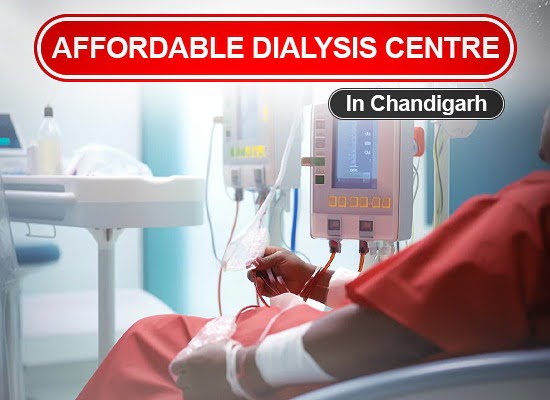
Mukat Hospital: Affordable Dialysis Centre in Chandigarh In Chandigarh, equitable access to healthcare is paramount, particularly for individuals in need of dialysis treatment. Mukat Hospital has positioned itself as a beacon of hope, offering high-quality dialysis services at affordable rates. Let’s explore what sets Mukat Hospital apart as a leading dialysis centre in Chandigarh, dedicated to providing accessible care to all.Our hospital known for providing high-quality treatment at affordable rates. Our experienced team and modern facilities ensure personalized care without compromising on affordability. Understanding the Importance of Dialysis: Dialysis plays a critical role in the lives of individuals suffering from kidney failure or other renal conditions. It aids in removing waste products and excess fluids from the blood when the kidneys are unable to perform this function adequately. For many patients, regular dialysis is essential for sustaining their health and quality of life. Addressing Financial Barriers: The cost of healthcare, including dialysis, can pose significant challenges for many individuals and families, hindering access to essential treatments. Recognizing this obstacle, Our hospital has established itself as an affordable dialysis centre in Chandigarh, ensuring that financial constraints do not prevent access to quality care. By offering dialysis services at rates that are both reasonable and accessible, we strive to ensure that financial constraints do not serve as barriers preventing individuals from receiving the high-quality care they deserve. Mukat Hospital: A Trusted Provider of Dialysis Care:Mukat Hospital’s Dialysis Centre is renowned for its unwavering commitment to excellence and affordability. Here’s why it’s considered among the best in Chandigarh: Modern Facilities: We offer dialysis patients access to state-of-the-art facilities equipped with the latest technology. From advanced dialysis machines to comfortable treatment spaces, every aspect of the centre is designed to prioritize patient comfort and safety. We pride ourselves on providing access to cutting-edge technology, including state-of-the-art dialysis machines. Additionally, our treatment spaces are created with patient comfort and safety as our utmost priority, ensuring a welcoming and peaceful environment for everyone undergoing dialysis. Our commitment to prioritizing patient well-being extends to every aspect of our facility, making sure that each individual receives the highest standard of care in a comfortable and secure setting.Experienced Medical Team: The hospital is proud to feature an experienced medical team comprising nephrologists, dialysis technicians, and nurses. Each member is deeply committed to delivering comprehensive care to patients undergoing dialysis, drawing upon their extensive expertise and specialized training. Their collective knowledge ensures that every patient receives tailored, personalized care tailored to their unique needs and medical history. From initial assessment to ongoing treatment, their dedication guarantees that patients receive the highest quality of care possible. Patients can trust in the professionalism and proficiency of the medical team to guide them through their dialysis journey with empathy and skill, promoting confidence and well-being throughout their treatment.Focus on Affordability: Recognizing the financial burden associated with healthcare expenses, Our hospital has implemented measures to keep dialysis costs affordable without compromising quality. This commitment to affordability ensures that more individuals can access the life-saving treatment they require. We understand that affordability is crucial for ensuring access to life-saving treatments while maintaining high-quality standards. Through meticulous cost-control strategies and operational enhancements, we have successfully maintained affordable dialysis services without compromising on excellence. This steadfast dedication to affordability guarantees that a diverse range of individuals, regardless of their financial circumstances, can access the essential treatment necessary to preserve their health and improve their overall well-being.Emphasis on Patient Education: In addition to administering dialysis treatment, Our hospital places a strong emphasis on patient education. They believe that empowering patients with knowledge about their condition and treatment options is crucial for improving health outcomes. Through educational initiatives and counseling sessions, patients learn to manage their condition effectively and enhance their overall well-being.Holistic Support Services: Beyond dialysis treatment, We offer a range of support services to enhance the patient experience. These include nutritional guidance, psychological support, and assistance with financial planning. By addressing patients’ holistic needs, the hospital ensures a comprehensive approach to care.Affordable Dialysis Centre in Chandigarh – A Lifeline for Patients: For many individuals living with kidney disease, affordable dialysis is indispensable. Mukat Hospital’s commitment to providing high-quality dialysis at affordable rates underscores its dedication to improving the lives of patients in Chandigarh and beyond. Conclusion: Mukat Hospital exemplifies accessible and best healthcare for patients requiring affordable dialysis treatment in Chandigarh. Through modern facilities, a skilled medical team, and a patient-centered approach, the hospital has become a trusted destination for dialysis treatment. By prioritizing affordability alongside quality, Mukat Hospital is making a meaningful impact on individuals and families affected by kidney disease, demonstrating its commitment to serving the community. Customer Health Location locationCreated with Sketch Beta. Facebook Twitter Youtube Linkedin Instagram
Understanding Heart Attacks: Symptoms, Causes, and Treatment

Understanding Heart Attacks: Symptoms, Causes, and Treatment In today’s modern world, heart attacks have emerged as a prevalent health concern, impacting millions of individuals globally. The increasing incidence of heart attacks underscores the critical need for understanding this life-threatening condition, including its symptoms, causes, and treatment options. At Mukat Hospital, we emphasize the importance of education and awareness in combating heart disease. In this article, we delve into the intricacies of heart attacks to equip you with knowledge and empower you to safeguard your heart health effectively. Understanding Heart Attacks: A heart attack, clinically referred to as a myocardial infarction, occurs when the blood flow to a section of the heart muscle is obstructed, resulting in the deprivation of oxygen-rich blood. This blockage typically stems from the accumulation of plaque in the coronary arteries, which are responsible for supplying blood to the heart. Without timely medical intervention, a heart attack can lead to substantial damage to the heart muscle and, in severe cases, prove fatal. Recognizing Symptoms: Identifying the symptoms of a heart attack is paramount for prompt intervention and minimizing potential damage. While symptoms may vary among individuals, common warning signs include: Chest Discomfort: This often manifests as pressure, squeezing, fullness, or pain in the center of the chest, with potential radiation to the arms, back, neck, jaw, or stomach. Shortness of Breath: Individuals may experience difficulty breathing or a sensation of being unable to catch their breath, often accompanied by chest discomfort. Gastrointestinal Symptoms: Some individuals may report nausea, indigestion, or vomiting, resembling stomach discomfort. Cold Sweats: Profuse sweating, often accompanied by a sense of impending doom, can occur. Fatigue: Unexplained fatigue, weakness, or lightheadedness, particularly prevalent in women, may signal a heart attack. It’s essential to note that not all heart attacks present with sudden, intense symptoms. Silent heart attacks, characterized by subtle or no symptoms, are also prevalent, particularly in individuals with diabetes or older adults. Therefore, any unusual discomfort or symptoms should not be dismissed, and immediate medical attention should be sought. Exploring Causes: Numerous factors contribute to the development of heart attacks, including: Atherosclerosis: The gradual buildup of plaque, consisting of cholesterol, fat, and other substances, within the coronary arteries narrows the vessels, impeding blood flow to the heart. Hypertension: High blood pressure imposes additional strain on the heart and arteries, heightening the risk of a heart attack. Hypercholesterolemia: Elevated levels of LDL cholesterol (“bad” cholesterol) foster plaque accumulation within the arteries. Smoking: Tobacco smoke damages blood vessels, accelerates plaque formation, and diminishes oxygen delivery to the heart. Diabetes: Individuals with diabetes face an elevated risk of heart disease due to elevated blood sugar levels and associated metabolic abnormalities. Obesity and Sedentary Lifestyle: Excess weight and physical inactivity contribute to various cardiovascular risk factors, including hypertension, diabetes, and hypercholesterolemia. Genetic Predisposition: A family history of heart disease amplifies the likelihood of developing cardiovascular complications. Treatment Options: Timely intervention is imperative for mitigating heart muscle damage and enhancing outcomes. Treatment modalities for heart attacks encompass: Medications: Thrombolytic agents or clot-dissolving medications may be administered to restore blood flow by dissolving blood clots. Additionally, medications such as aspirin, beta-blockers, ACE inhibitors, or statins may be prescribed to manage symptoms and reduce the risk of recurrent cardiac events. Coronary Angioplasty and Stenting: The procedure known as coronary angioplasty and stenting is a sophisticated yet minimally invasive approach aimed at addressing coronary artery blockages. This process begins with the insertion of a thin, flexible catheter into the affected artery, guided by advanced imaging techniques. Upon reaching the blockage site, a small balloon attached to the catheter is inflated, exerting pressure against the plaque buildup and effectively widening the narrowed artery. This action restores blood flow to the heart muscle, alleviating symptoms and reducing the risk of further complications. Following the balloon angioplasty, a stent, mesh-like metal tube is carefully positioned within the newly widened artery. The stent serves to maintain the patency of the artery, preventing its re-narrowing and ensuring unobstructed blood flow to the heart. Some stents may be coated with medication (known as drug-eluting stents) to discourage the recurrence of plaque formation and promote long-term arterial health. Compared to traditional surgical approaches, coronary angioplasty and stenting offer numerous benefits, including shorter recovery times, reduced risk of complications, and improved patient comfort. Coronary Artery Bypass Surgery: Coronary artery bypass surgery, also referred to as bypass grafting, is a surgical intervention employed to address extensive arterial blockages hindering adequate blood supply to the heart. This procedure aims to establish alternative blood pathways that bypass the obstructed arteries and restore optimal blood flow to the heart muscle. During the surgery, a healthy blood vessel typically harvested from the patient’s leg, arm, or chest wall is utilized as a graft. Subsequently, the surgeon meticulously attaches the graft to the coronary artery, creating a bypass route that enables blood to circumvent the blocked segment of the artery. By establishing these new conduits, bypass surgery ensures the unimpeded delivery of oxygen-rich blood to the heart muscle, thereby reducing the risk of myocardial damage and alleviating symptoms such as chest pain (angina). While coronary artery bypass surgery is more invasive than angioplasty, it remains a crucial treatment option for individuals with severe arterial blockages or those unsuitable for less invasive interventions. Lifestyle Modifications: Adopting a heart-healthy lifestyle is paramount for preventing recurrent heart attacks and managing underlying risk factors. Lifestyle modifications encompass smoking cessation, weight management, adherence to a balanced diet low in saturated fats and cholesterol, regular physical activity, stress management, and diligent control of blood pressure and cholesterol levels. Conclusion: Heart attacks represent a significant medical emergency necessitating immediate attention. By familiarizing yourself with the symptoms, causes, and treatment options associated with heart attacks, you can proactively safeguard your heart health and reduce the likelihood of experiencing a cardiac event. Prevention remains the cornerstone of cardiovascular health, underscoring the importance of embracing a heart-healthy lifestyle. At Mukat Hospital, we are dedicated to providing comprehensive cardiac care, empowering individuals to lead
Mukat Hospital: Your Premier Destination for Advanced Laser Treatment for Piles in Chandigarh

Mukat Hospital: Your Premier Destination for Advanced Laser Treatment for Piles in Chandigarh Are you struggling…
Mukat Hospital: Delivering Superior Care for Lung Infections

Mukat Hospital: Delivering Superior Care for Lung Infections In the realm of healthcare, certain medical conditions necessitate specialized attention from seasoned professionals. Lung infections, particularly, demand the expertise of a pulmonologist, a specialist dedicated to diagnosing and treating respiratory ailments. Mukat Hospital emerges as a beacon of excellence in providing top-tier care for lung infections. Mukat Hospital is committed to delivering comprehensive and effective treatment for patients afflicted by lung infections. Expertise of a Pulmonologist: At Mukat Hospital, our expert pulmonologist boasts extensive experience and expertise in managing a wide spectrum of respiratory conditions, including lung infections. These specialists undergo rigorous training to accurately diagnose and devise tailored treatment plans for patients, ensuring optimal outcomes. With a profound understanding of the complexities surrounding lung infections, our pulmonologist employs a multidisciplinary approach, integrating the latest advancements in medical science with compassionate care. Pulmonologist at Mukat Hospital specialize in diagnosing and treating various lung infections, including pneumonia, bronchitis, tuberculosis, respiratory syncytial virus (RSV), and more. They are trained to interpret diagnostic tests such as chest X-rays, CT scans, and pulmonary function tests to accurately identify the underlying cause of respiratory symptoms. By leveraging their expertise, our pulmonologist at Mukat Hospital provides personalized treatment plans that address the specific needs and concerns of each patient.Moreover, our pulmonologist collaborates closely with other specialists, including infectious disease physicians, critical care specialists, and respiratory therapists, to ensure comprehensive care for patients with complex lung infections. This multidisciplinary approach allows for a holistic assessment of the patient’s condition and facilitates coordinated management throughout the treatment process. Comprehensive Lung Infection Treatment: Lung infections can manifest in various forms, ranging from mild respiratory illnesses to life-threatening conditions. Prompt and effective treatment is essential to prevent complications and promote recovery. At Mukat Hospital, we offer a comprehensive range of treatment modalities to address diverse lung infections effectively.Upon diagnosis, the treatment approach may involve a combination of medications, such as antibiotics, antiviral drugs, or antifungal agents, depending on the type and severity of the infection. Our pulmonologist carefully evaluates each case to determine the most appropriate treatment regimen tailored to the individual patient’s needs.In addition to pharmacological interventions, Mukat Hospital provides advanced respiratory support services, including oxygen therapy, mechanical ventilation, and pulmonary rehabilitation, to optimize lung function and improve respiratory outcomes. Our state-of-the-art facilities feature specialized intensive care units (ICUs) equipped with the latest medical technology to ensure the highest level of care for critically ill patients. Furthermore, Mukat Hospital emphasizes patient education and empowerment as integral components of the treatment process. Our healthcare professionals educate patients and their families about the nature of the lung infection, treatment options, and preventive measures to reduce the risk of recurrence. By fostering open communication and collaboration, we empower patients to actively participate in their care and make informed decisions about their health. State-of-the-Art Facilities: Equipped with cutting-edge technology and modern infrastructure, Mukat Hospital provides patients with access to the highest standard of medical care. Our diagnostic facilities are equipped with advanced imaging systems, including digital radiography, computed tomography (CT), and magnetic resonance imaging (MRI), to facilitate accurate diagnosis of lung infections.Additionally, we offer comprehensive laboratory services, including blood tests, sputum cultures, and molecular diagnostic assays, to identify the causative pathogens and guide targeted treatment strategies. Our experienced radiologists and laboratory technicians work diligently to ensure timely and accurate test results, enabling prompt intervention and personalized care for patients with lung infections.Moreover, Mukat Hospital features specialized treatment areas, including dedicated pulmonary wards and respiratory therapy units, designed to meet the unique needs of patients with respiratory conditions. Our facilities adhere to strict infection control protocols to minimize the risk of cross-contamination and ensure a safe environment for both patients and healthcare providers. In addition to clinical care, Mukat Hospital prioritizes research and innovation to advance the field of pulmonology and improve patient outcomes. Our pulmonologist actively participates in clinical trials and research studies to explore novel treatments and therapeutic approaches for lung infections. By staying at the forefront of medical science, we strive to offer patients access to cutting-edge treatments and interventions that may not be available elsewhere. Compassionate Care and Support: At Mukat Hospital, we understand that coping with lung infections can be physically and emotionally challenging for patients and their families. That’s why we prioritize compassionate care and provide unwavering support to our patients throughout their treatment journey.From the moment patients enter our doors, they are greeted with warmth, empathy, and respect by our dedicated healthcare professionals. Our team of nurses, respiratory therapists, and support staff are committed to delivering personalized care and addressing the individual needs of each patient.Furthermore, Mukat Hospital offers comprehensive support services, including counseling, nutritional guidance, and patient advocacy, to promote holistic healing and improve quality of life. We recognize the importance of addressing the psychological and social aspects of illness, and our interdisciplinary team works collaboratively to provide patients with the support they need to navigate the challenges of living with a lung infection.In conclusion, Mukat Hospital is your destination for expert lung infection treatment. With our experienced pulmonologist, state-of-the-art facilities, and a commitment to compassionate care, we strive to deliver the highest quality of medical care to patients suffering from respiratory ailments. Whether you are seeking diagnosis, treatment, or ongoing management of a lung infection, you can trust Mukat Hospital to provide comprehensive, personalized care that prioritizes your health and well-being. Customer Health Location locationCreated with Sketch Beta. Facebook Twitter Youtube Linkedin Instagram


