


Laser Treatment for Skin at Mukat Hospital
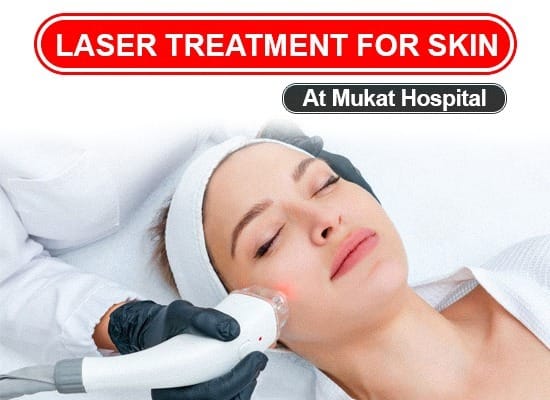
Laser Treatment for Skin at Mukat Hospital – Advanced Dermatology Care Healthy and radiant skin is a reflection of overall well-being. With advancements in dermatology, laser treatment has become a highly effective and non-invasive solution for various skin concerns. At Mukat Hospital, we offer advanced laser skin treatments in Chandigarh, providing safe and lasting results for all skin types. What is Laser Skin Treatment? Laser skin treatment is a specialized dermatological procedure that uses concentrated light energy to address multiple skin conditions. It helps in skin resurfacing, scar reduction, pigmentation correction, and overall skin rejuvenation. The treatment works by stimulating collagen production and removing damaged skin layers, resulting in smoother and clearer skin. Skin Conditions Treated with Laser Therapy Laser treatment is beneficial for various skin concerns, including: Acne Scars & Blemishes: Reduces scars left by acne and improves skin texture. Pigmentation & Dark Spots: Targets hyperpigmentation, sun spots, and melasma. Wrinkles & Fine Lines: Stimulates collagen production to reduce signs of aging. Unwanted Hair Removal: Provides a long-term solution for hair reduction. Skin Tightening & Rejuvenation: Enhances skin elasticity and glow. Birthmarks & Tattoo Removal: Effectively removes unwanted marks and tattoos. Advanced Laser Treatments at Mukat Hospital Mukat Hospital offers the latest laser skin treatments in Chandigarh, utilizing modern technology and expert dermatologist to ensure safe and effective results. 1. Fractional CO2 Laser Skin Resurfacing Treats deep scars, wrinkles, and uneven skin texture. Stimulates collagen production for a youthful appearance. Helps in reducing pigmentation and sun damage. 2. Laser Hair Removal A long-term solution for unwanted hair. Safe and effective for all skin types with minimal discomfort. Reduces hair growth significantly over multiple sessions. 3. Q-Switched Laser for Pigmentation & Tattoo Removal Targets excess melanin to treat pigmentation disorders. Safely removes tattoos without damaging surrounding skin. Effective for freckles, melasma, and age spots. 4. Laser Skin Tightening Non-surgical procedure to enhance skin elasticity. Reduces sagging and fine lines by stimulating collagen. Suitable for face, neck, and hands. 5. Vascular Laser Therapy for Spider Veins & Redness Treats broken capillaries, rosacea, and facial redness. Improves blood circulation and enhances skin clarity. Quick and painless with minimal downtime. Why Choose Mukat Hospital for Laser Skin Treatment? At Mukat Hospital, we are committed to providing advanced dermatological care in Chandigarh. Here’s why patients trust us: Experienced Dermatologist & Specialists – Our team consists of highly skilled skin experts. Latest Laser Technology – We use FDA-approved laser devices for safe and effective results. Personalized Treatment Plans – Every patient receives a customized approach based on their skin type and concern. Minimal Downtime & Painless Procedures – Most laser treatments are quick with little to no discomfort. Affordable & Safe – High-quality skin care at competitive prices with a focus on patient safety.. Post-Treatment Care & Recovery Following laser treatment, proper aftercare is essential to achieve the best results: Avoid direct sun exposure and use sunscreen (SPF 50+). Keep the treated area clean and moisturized. Avoid excessive makeup for a few days post-treatment. Follow the dermatologist’s advice for faster healing and long-lasting results. Book Your Laser Skin Treatment Today! If you are looking for the best laser treatment for skin in Chandigarh, Mukat Hospital is the ideal destination. Whether you want to address acne scars, wrinkles, pigmentation, or unwanted hair, our expert dermatologist and modern laser technology ensure exceptional results. Take the first step towards healthier, glowing skin today! Book an appointment at Mukat Hospital and experience advanced dermatology care. Customer Health Location locationCreated with Sketch Beta. Facebook Twitter Youtube Linkedin Instagram
Hair Loss Treatment Specialist in Chandigarh

Hair Loss Treatment Specialist in Chandigarh – Get Expert Care at Mukat Hospital Hair loss is a common concern that affects millions of individuals worldwide. Whether caused by genetics, stress, hormonal changes, or underlying health conditions, hair loss can significantly impact confidence and self-esteem. If you are struggling with hair thinning or baldness, seeking the expertise of a Hair Loss Treatment Specialist is crucial. Mukat Hospital, a leading healthcare provider in Chandigarh, offers advanced and effective Hair Loss Treatment solutions tailored to individual needs. With a team of highly experienced specialists, we ensure that you receive the best possible care to restore your hair health. If you are searching for the Best Doctor for Hair Loss Treatment in Chandigarh, Mukat Hospital is your trusted destination. Causes of Hair Loss Hair loss can occur due to various reasons. Identifying the root cause is the first step towards finding the right treatment. Some of the common causes include: Genetic Factors: Androgenetic alopecia, commonly known as male and female pattern baldness, is the most frequent cause of hair loss. Hormonal Imbalances: Thyroid disorders, pregnancy, menopause, and polycystic ovarian syndrome (PCOS) can contribute to excessive hair fall. Nutritional Deficiencies: A lack of essential vitamins and minerals like iron, zinc, biotin, and vitamin D can weaken hair follicles, leading to shedding. Stress and Lifestyle Factors: High stress levels, poor diet, and an unhealthy lifestyle further aggravate the issue. Medical Conditions and Medications: Certain medications and autoimmune disorders can also trigger hair loss. Hair Loss Treatment Options at Mukat Hospital At Mukat Hospital, we provide comprehensive and scientifically-backed Hair Loss Treatment options to help restore hair growth. Our experts assess each case individually and design personalized treatment plans to ensure optimal results.PRP Therapy (Platelet-Rich Plasma) PRP therapy involves processing a small amount of the patient’s blood to concentrate the platelets and injecting the PRP into the scalp. This stimulates hair follicles, promotes regrowth, and strengthens existing hair.Hair Transplantation For individuals with severe hair loss, hair transplantation is an effective solution. We offer: FUT (Follicular Unit Transplantation): A strip of hair follicles is taken from the donor area and transplanted to the bald spots. FUE (Follicular Unit Extraction): Individual hair follicles are extracted and implanted into the affected areas for a natural appearance. Medications for Hair Regrowth Our specialists may prescribe FDA-approved medications to slow down hair loss and stimulate regrowth.Nutritional Counseling and Supplements Proper nutrition plays a crucial role in hair health, and our experts offer dietary guidance along with essential supplements to strengthen hair follicles.Microneedling Therapy : Stimulates hair growth by increasing blood circulation and triggering release of growth factors. Why Choose Mukat Hospital? When searching for the Best Hair Specialist Doctor in Chandigarh, Mukat Hospital stands out due to: Experienced and Qualified Specialist: Our dermatologist and trichologist have years of experience in diagnosing and treating various types of hair loss. Advanced Technology and Treatments: We utilize state-of-the-art equipment and the latest medical advancements to provide effective Hair Loss Treatment. Personalized Treatment Plans: Each patient receives a customized treatment approach based on their specific hair loss condition. Safe and FDA-Approved Procedures: All our treatments are clinically tested and approved, ensuring safety and effectiveness. Patient-Centric Care: We prioritize patient satisfaction and offer comprehensive support throughout the treatment journey. Frequently Asked Questions (FAQs) When should I consult a Hair Loss Treatment Specialist? If you notice excessive hair fall, thinning, or bald patches, it is advisable to consult a specialist at Mukat Hospital as early as possible. Is hair loss treatment permanent? The success of treatment depends on the underlying cause. While some treatments provide long-lasting results, ongoing maintenance may be required in some cases. Is PRP therapy painful? PRP therapy is a minimally invasive procedure with minimal discomfort. A numbing cream is applied before the injections to reduce pain. How many sessions of PRP therapy are required? Typically, 3-6 sessions spaced a month apart are needed to see visible results. However, the exact number depends on the severity of hair loss. Are there any side effects of hair transplant surgery? Hair transplant surgery is generally safe when performed by experts. Mild swelling and redness may occur but subside within a few days. Conclusion If you are looking for the Best Doctor for Hair Loss Treatment in Chandigarh, Mukat Hospital is the ultimate destination for advanced and effective Hair Loss Treatment solutions. Our team of specialists ensures that you receive the highest standard of care, helping you regain your confidence with healthy, natural hair. Don’t let hair loss affect your self-esteem. Schedule a consultation with our dermatologist today and take the first step toward a fuller, healthier head of hair! Customer Health Location locationCreated with Sketch Beta. Facebook Twitter Youtube Linkedin Instagram
Best Heart Hospital in Chandigarh: Comprehensive Cardiac Care at Mukat Hospital

Best Heart Hospital in Chandigarh: Comprehensive Cardiac Care at Mukat Hospital Heart health is a vital…
Skin Specialist in Chandigarh

Skin Specialist in Chandigarh: Expert Dermatology Care at Mukat Hospital Healthy skin is a reflection of overall well-being. Various skin conditions such as acne, eczema, pigmentation, and premature aging can affect confidence and quality of life. Consulting a qualified skin specialist is essential for maintaining good skin health and addressing any dermatological concerns. Mukat Hospital, one of the leading healthcare providers in Chandigarh, offers expert dermatology services with advanced treatments tailored to individual needs. With a dedicated team of dermatologists and state-of-the-art technology, Mukat Hospital provides specialized care for a wide range of skin and hair conditions. This blog explores the importance of consulting a skin specialist, common skin concerns, and the comprehensive dermatology services available at Mukat Hospital. Why Consult a Skin Specialist? Many skin issues may seem minor initially but can develop into chronic conditions if left untreated. A skin specialist, or dermatologist, is trained to diagnose and treat various skin, hair, and nail conditions. Here are some key reasons to seek dermatological care: Persistent Acne: Professional treatment is necessary to prevent scarring and recurrence. Skin Allergies and Rashes: Conditions like hives, dermatitis, and fungal infections require expert diagnosis and treatment. Pigmentation and Uneven Skin Tone: Sun exposure, aging, and hormonal changes can lead to dark spots and patches that benefit from medical treatments. Hair Loss and Scalp Disorders: Issues such as dandruff, alopecia, and scalp infections need proper care for healthy hair growth. Eczema and Psoriasis: Chronic skin conditions that cause irritation, itching, and redness require specialized management. Anti-Aging Concerns: Wrinkles, fine lines, and sagging skin can be treated with advanced dermatological procedures. Skin Cancer Screening: Regular check-ups help in the early detection of potentially harmful skin abnormalities. Common Skin Conditions Treated at Mukat Hospital 1. Acne and Acne ScarsAcne is a common skin condition that affects people of all ages. Our dermatologists provide personalized treatment plans, including medical therapy, chemical peels, and other treatments to manage acne effectively and reduce scars. 2. Eczema and PsoriasisThese chronic skin conditions cause inflammation, redness, and discomfort. Mukat Hospital offers modern treatments to control symptoms and improve skin health. 3. Skin Allergies and InfectionsAllergic reactions, fungal infections, and bacterial skin issues can cause discomfort and irritation. Our specialists diagnose and treat these conditions using safe and effective medical interventions. 4. Pigmentation and Dark SpotsUneven skin tone, melasma, and hyperpigmentation can be effectively treated with chemical peels, microdermabrasion, and specialized skin-lightening treatments. 5. Hair and Scalp DisordersFrom hair loss to dandruff and scalp infections, our dermatologists offer tailored solutions, including PRP therapy and medicated treatments for healthy hair growth. 6. Anti-Aging and Aesthetic TreatmentsFor those concerned about aging signs, Mukat Hospital provides non-surgical procedures such as Botox, fillers, and laser skin tightening to restore youthful skin. Advanced Dermatology Treatments at Mukat Hospital At Mukat Hospital, we use advanced medical techniques to ensure effective and long-lasting results. Our dermatology department specializes in: Chemical Peels: To exfoliate and improve skin texture. Microdermabrasion: For smoother and healthier skin, scar management rejuvenation. Botox and Dermal Fillers: To reduce wrinkles and fine lines. PRP Therapy: A revolutionary treatment for hair regrowth and skin rejuvenation. Vitiligo and Psoriasis Management: Expert care for Vitiligo and Psoriasis with advanced treatments to restore skin health and confidence. Wart and Skin Tag Removal: Safe and effective wart and skin tag removal at Mukat Hospital for smooth, healthy skin. Management of Drug Reaction and Rashes: Effective diagnosis and treatment for drug reactions and rashes to ensure safe and speedy recovery. Why Choose Mukat Hospital for Dermatology Care? Highly Experienced Dermatologists Our team consists of skilled skin specialists with years of experience in diagnosing and treating various dermatological conditions. State-of-the-Art Technology We utilize advanced diagnostic tools and treatment methods to provide the best care for our patients. Comprehensive Skin and Hair Care From medical dermatology to aesthetic procedures, we offer a full range of treatments tailored to your needs. Personalized Treatment Plans Every patient receives individualized care based on their skin type and condition. Safe and Hygienic Environment We follow strict hygiene protocols to ensure patient safety and effective treatment outcomes. Tips for Maintaining Healthy Skin To maintain healthy skin and prevent common skin issues, follow these essential tips: Surgical Process: Follow a Daily Skincare Routine: Cleanse, moisturize, and protect your skin from the sun. Use Sunscreen: Always apply a broad-spectrum sunscreen to prevent sun damage and premature aging. Stay Hydrated: Drinking enough water keeps the skin hydrated and fresh. Eat a Balanced Diet: Nutrient-rich foods promote healthy skin and prevent breakouts. Avoid Harsh Products: Use skincare products suitable for your skin type and avoid excessive use of chemicals. Manage Stress: Stress can trigger skin conditions like acne and eczema. Practice relaxation techniques such as yoga and meditation. Consult a Dermatologist Regularly: Periodic skin check-ups help in early detection and management of skin concerns. Conclusion Mukat Hospital is committed to providing the best dermatological care in Chandigarh. Whether you need treatment for a medical skin condition or cosmetic dermatology services, our expert dermatologists are here to help you achieve healthy and glowing skin. If you are looking for a trusted skin specialist in Chandigarh, book an appointment at Mukat Hospital today and experience top-quality skin care. Customer Health Location locationCreated with Sketch Beta. Facebook Twitter Youtube Linkedin Instagram
Tympanoplasty/Myringoplasty
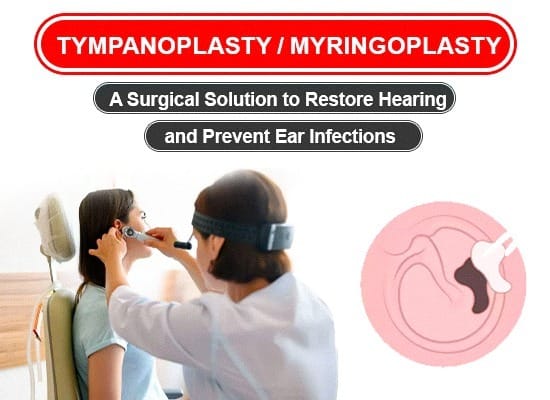
Tympanoplasty/Myringoplasty: A Surgical Solution to Restore Hearing and Prevent Ear Infections Hearing is one of the most essential senses, allowing us to communicate, enjoy conversations, and stay aware of our surroundings. However, damage to the eardrum can lead to hearing loss and frequent ear infections, affecting the quality of life. One of the most effective treatments for this condition is Myringoplasty, a surgical procedure that repairs a perforated eardrum. At Mukat Hospital, we specialize in advanced ENT procedures, including Myringoplasty, helping patients regain their hearing and prevent complications caused by a damaged eardrum. In this article, we will explore the causes of eardrum perforation, the Myringoplasty procedure, and essential aftercare tips for a successful recovery. Understanding Eardrum Perforation The eardrum (tympanic membrane) is a thin, sensitive membrane that separates the outer ear from the middle ear. It plays a crucial role in transmitting sound vibrations to the inner ear and protecting the ear from infections. However, various factors can cause a hole or tear in the eardrum, leading to discomfort and hearing problems. Common Causes of Eardrum Perforation: Chronic Ear Infections – Frequent infections weaken the eardrum, making it prone to perforation. Sudden Pressure Changes (Barotrauma) – Changes in air pressure, such as during air travel or scuba diving, can cause damage. Physical Injury – Inserting sharp objects like cotton swabs or experiencing a direct blow to the ear can rupture the eardrum. Loud Noises (Acoustic Trauma) – Exposure to extremely loud sounds, such as explosions or gunshots, can create a perforation. Previous Surgeries or Medical Conditions – Some medical conditions or past surgical interventions may leave the eardrum damaged. Symptoms of a Perforated Eardrum Partial hearing loss Persistent ear pain or discomfort Ear discharge, sometimes with pus or blood Frequent ear infections Ringing sensation in the ear (tinnitus) Occasional dizziness or balance issues If left untreated, an eardrum perforation can lead to chronic infections and, in severe cases, permanent hearing loss. What is Myringoplasty? Myringoplasty is a surgical procedure aimed at closing a perforation in the eardrum. It involves placing a small tissue graft over the hole to allow natural healing. This procedure helps in restoring hearing, preventing infections, and improving overall ear health. At Mukat Hospital, our experienced ENT surgeons perform Myringoplasty with advanced techniques, ensuring safe and effective outcomes for our patients. Key Benefits of Myringoplasty: Restores Hearing – Closing the eardrum perforation allows sound waves to travel efficiently. Prevents Ear Infections – A healthy eardrum protects the middle ear from bacteria and infections. Eliminates Ear Discharge – Chronic infections that cause persistent ear discharge are significantly reduced. Reduces Ear Pain – By repairing the damage, the procedure helps relieve discomfort and pain. Improves Quality of Life – Patients regain confidence in social interactions and daily activities. Who Needs Myringoplasty? Your doctor may recommend Myringoplasty if you have: A persistent perforation in the eardrum that hasn’t healed naturally. Hearing difficulties caused by the hole in the eardrum. Recurring ear infections leading to discomfort and discharge. A history of ear trauma affecting the eardrum. This procedure is typically not performed on children under 10 years, as their eardrum may heal naturally over time. The Myringoplasty Procedure: Step-by-Step Myringoplasty is a minimally invasive surgery performed under local or general anesthesia, depending on the case. The procedure generally takes 30 minutes to 2 hours, and most patients can go home the same day. Surgical Process: Anesthesia Administration – The patient is given local or general anesthesia for a pain-free experience. Incision & Graft Collection – A small incision is made behind the ear or inside the ear canal to collect a tissue graft (usually taken from the patient’s own cartilage or fascia). Eardrum Repair – The graft is carefully placed over the perforation and secured in position. Closure & Dressing – The incision is closed, and a protective dressing is placed inside the ear canal. After the surgery, patients are monitored for a short time before being discharged with detailed recovery instructions. Recovery and Post-Surgical Care Recovery from Myringoplasty is generally smooth, but proper aftercare is essential for successful healing. Post-Operative Care Tips: Keep the Ear Dry – Avoid getting water in the ear while bathing or washing hair. Take Prescribed Medications – Follow your doctor’s advice regarding antibiotics and pain relievers. Avoid Strenuous Activities – Refrain from heavy lifting, bending, or sudden head movements. Prevent Sneezing with Mouth Closed – Forceful sneezing can disrupt the healing process. Sleep with Head Elevated – This reduces swelling and promotes faster recovery. Attend Follow-Up Appointments – Regular check-ups ensure proper healing progress. Most patients notice an improvement in hearing within a few weeks, with full recovery taking around 6-8 weeks. Potential Risks and Complications Myringoplasty is a safe and effective procedure, but like any surgery, it carries minor risks, including: Mild pain or discomfort Temporary dizziness Infection at the surgical site (rare but manageable with antibiotics) Graft rejection (in rare cases, requiring revision surgery) Choosing a trusted hospital with an experienced ENT specialist significantly reduces these risks and ensures a successful outcome. Why Choose Mukat Hospital for Myringoplasty? At Mukat Hospital, we are committed to delivering advanced ENT care with: Expert ENT Surgeon – Our team has years of experience in ear surgeries Modern Medical Technology – We use advanced surgical equipment for precise treatment. Personalized Treatment Plans – Each patient receives tailored care for the best results. Comprehensive Post-Surgical Support – We ensure full guidance for a smooth recovery. Our goal is to help you restore your hearing, prevent infections, and improve your overall quality of life. Conclusion Myringoplasty is a highly effective procedure for repairing a perforated eardrum, restoring hearing, and preventing recurrent infections. If you or a loved one is experiencing hearing problems or chronic ear infections, seeking timely medical advice is crucial. At Mukat Hospital, we provide world-class ENT care to help you achieve better hearing health. Schedule a consultation today and take the first step toward a healthier ear! Customer Health Location locationCreated with Sketch Beta.
Comprehensive Guide to Spinal Tuberculosis

Comprehensive Guide to Spinal Tuberculosis: Symptoms, Treatment, and Prevention Spinal tuberculosis, also known as Pott’s disease, is a serious medical condition that occurs when tuberculosis bacteria spread from the lungs to the spine. It primarily affects the vertebrae, leading to severe pain, spinal deformities, and neurological complications if not treated in a timely manner. Spinal tuberculosis is more common in regions where tuberculosis is prevalent, and it poses a significant public health challenge due to its potential to cause long-term disability. Understanding Spinal Tuberculosis Tuberculosis is an infectious disease caused by Mycobacterium tuberculosis, which primarily affects the lungs but can spread to other parts of the body, including the bones and spine. When the bacteria reach the spinal column through the bloodstream, they can infect the vertebrae and intervertebral discs, causing destruction and instability. Spinal tuberculosis often progresses slowly, which can make early diagnosis challenging. Signs and Symptoms of Spinal Tuberculosis Recognizing the symptoms of spinal tuberculosis is crucial for early diagnosis and treatment. Some of the common symptoms include: Chronic Back Pain: Persistent, dull pain that gradually worsens over time. Limited Spinal Mobility: Difficulty in bending or moving the spine due to stiffness and pain. Weight Loss: Unintentional weight loss, which is a common sign of systemic tuberculosis. Fever and Night Sweats: Low-grade fever and excessive sweating during the night. Neurological Symptoms: Weakness, numbness, or tingling in the legs due to nerve compression. Spinal Deformity: Development of a visible curvature or hunchback (kyphosis) in advanced stages. Complications Associated with Spinal Tuberculosis If left untreated, spinal tuberculosis can lead to severe complications, including: Spinal Deformities: The destruction of vertebral structures can result in spinal curvature and deformities such as kyphosis. Neurological Impairments: Compression of the spinal cord may cause paralysis, weakness, and loss of bladder or bowel control. Abscess Formation: The infection can cause pus accumulation, leading to further pressure on the spine and surrounding tissues. Systemic Spread: In some cases, the infection may spread to other organs, causing widespread health issues. Recurring Urinary Tract Infections (UTIs) Frequent UTIs that do not respond to treatment might be a symptom of an underlying bladder condition, including cancer. Diagnostic Methods for Spinal Tuberculosis Early diagnosis is essential to prevent complications and start treatment promptly. The diagnostic process typically includes: Medical History and Physical Examination: Evaluating symptoms and risk factors for tuberculosis. Imaging Studies: X-rays, MRI, or CT scans to identify spinal abnormalities and extent of damage. Blood Tests: Testing for markers of infection such as ESR and CRP levels Tuberculosis Skin Test: A positive test can indicate TB exposure. Biopsy: Obtaining a tissue sample for microscopic examination to confirm the presence of tuberculosis bacteria. Treatment Strategies for Spinal Tuberculosis Effective treatment for spinal tuberculosis requires a combination of medical and surgical interventions, depending on the severity of the condition. Treatment options include: Anti-Tuberculosis Therapy (ATT): A combination of antibiotics such as isoniazid, rifampin, ethambutol, and pyrazinamide, usually administered for 6-12 months. Pain Management: Use of analgesics and anti-inflammatory medications to relieve discomfort. Spinal Immobilization: Bracing or casting to provide support and prevent further damage. Physical Therapy: Exercises to maintain spinal mobility and prevent muscle atrophy. Surgical Intervention: In advanced cases, surgery may be necessary to remove infected tissue, stabilize the spine, and decompress the spinal cord. Preventive Measures and Long-Term Care Prevention of spinal tuberculosis primarily focuses on reducing the risk of tuberculosis infection and maintaining overall spinal health. Key preventive measures include: Early Detection and Treatment of TB: Addressing pulmonary tuberculosis promptly to prevent its spread. Healthy Lifestyle Choices: Eating a balanced diet rich in nutrients to boost immunity. Vaccination: BCG vaccination can help protect against severe forms of tuberculosis. Regular Medical Check-ups: Routine health evaluations to detect early signs of spinal TB. Good Hygiene Practices: Avoiding exposure to infected individuals and maintaining personal hygiene. Conclusion Spinal tuberculosis is a challenging condition that requires timely medical intervention to prevent complications and improve the patient’s quality of life. Early diagnosis, appropriate treatment, and preventive measures can help in managing the disease effectively. If you or a loved one is experiencing persistent back pain or other symptoms associated with spinal tuberculosis, seeking medical advice from a qualified healthcare professional is crucial. At Mukat Hospital, we offer specialized care for patients with spinal tuberculosis. Our team of experienced doctors and medical professionals are committed to providing comprehensive treatment solutions, ensuring the best possible outcomes for our patients. Contact us today to learn more about our services and how we can assist you in your journey to recovery. Customer Health Location locationCreated with Sketch Beta. Facebook Twitter Youtube Linkedin Instagram
Recognizing the Red Flags

Recognizing the Red Flags: Early Warning Signs of Urinary Bladder Cancer Urinary bladder cancer is a serious health condition that occurs when abnormal cells in the bladder begin to grow uncontrollably, forming tumors. Despite being one of the most common cancers of the urinary system, its symptoms are often ignored or mistaken for less serious issues, leading to delays in diagnosis and treatment. Early detection of bladder cancer is crucial for successful treatment, and being aware of the warning signs can make a significant difference. Mukat Hospital is dedicated to spreading awareness and providing comprehensive care to patients battling this condition. Understanding Urinary Bladder Cancer The bladder is a hollow, muscular organ located in the lower abdomen. It is responsible for storing urine before it is expelled from the body. Urinary bladder cancer typically begins in the urothelial cells that line the inside of the bladder. These cells are particularly vulnerable because they come into contact with toxins and chemicals filtered from the blood. There are several types of bladder cancer, but the most common is urothelial carcinoma. While the exact cause is not always known, there are identifiable risk factors that increase a person’s chances of developing the disease. Risk Factors for Bladder Cancer Smoking: Tobacco use is the leading cause of bladder cancer. Harmful chemicals in cigarettes are absorbed into the blood and eventually filtered through the bladder, where they can damage the lining and lead to cancer. Chemical Exposure: Working in industries such as rubber, textiles, and dyes can expose individuals to carcinogenic chemicals, increasing their risk. Age and Gender: Bladder cancer is more common in people over the age of 55 and is seen more frequently in men than in women. Chronic Bladder Irritation: Long-term bladder infections, kidney stones, or the use of urinary catheters can increase the risk of developing bladder cancer. Family History and Genetics: A family history of bladder cancer or genetic predisposition can also be a contributing factor. Early Warning Signs You Must Not Ignore Bladder cancer symptoms can vary depending on the stage and progression of the disease. Early detection can save lives, so it is essential to recognize these warning signs: Blood in the Urine (Hematuria) Blood in the urine is the most common and often the first noticeable symptom of bladder cancer. It may cause the urine to appear pink, orange, or bright red. In some cases, the blood is not visible to the naked eye and is only detected during a urine test. Changes in Urination Patterns Increased frequency of urination, sudden urges to urinate, or difficulty in fully emptying the bladder are signs that something may be wrong. Pain During Urination A burning sensation or pain while urinating can indicate bladder irritation, which could be due to an infection or, in some cases, bladder cancer. Pelvic or Lower Back Pain Unexplained pain in the pelvic region or lower back could signal advanced bladder cancer, as tumors grow and press on surrounding tissues. Recurring Urinary Tract Infections (UTIs) Frequent UTIs that do not respond to treatment might be a symptom of an underlying bladder condition, including cancer. The Importance of Early Detection Early detection of bladder cancer is critical for effective treatment and a higher chance of recovery. When caught in the initial stages, the disease is often confined to the bladder lining, making it easier to treat with minimally invasive methods. Ignoring the warning signs can allow the cancer to progress, leading to more invasive treatments and a poorer prognosis. Diagnostic Methods at Mukat Hospital At Mukat Hospital, we use state-of-the-art diagnostic tools to detect bladder cancer as early as possible. Our methods include: Urinalysis: Laboratory testing of urine to detect blood or cancerous cells. Cystoscopy: A procedure in which a thin tube with a camera is inserted into the bladder to inspect its lining. Imaging Tests: CT scans, ultrasounds, or MRI scans are used to visualize the bladder and surrounding tissues. Biopsy: A small sample of bladder tissue is taken for microscopic examination to confirm the presence of cancer cells. Treatment Options for Bladder Cancer The treatment of bladder cancer depends on its stage, type, and the patient’s overall health. Mukat Hospital offers a multidisciplinary approach to treatment, ensuring every patient receives personalized care.Surgery Transurethral Resection of Bladder Tumor (TURBT): A minimally invasive procedure to remove tumors from the bladder lining. Radical Cystectomy: Complete removal of the bladder in cases where the cancer is more advanced. This is often followed by reconstructive surgery to restore urinary function. ChemotherapyChemotherapy is used to kill cancer cells, either systemically or directly in the bladder. It is often recommended before or after surgery.ImmunotherapyThis treatment helps the body’s immune system fight cancer. It is particularly effective in early-stage bladder cancer or cases of recurrence. Preventing Bladder Cancer While not all cases of bladder cancer can be prevented, there are several steps individuals can take to reduce their risk: Quit Smoking: Eliminating tobacco use significantly lowers the risk of bladder cancer. Stay Hydrated: Drinking plenty of water helps flush harmful substances from the bladder. Avoid Harmful Chemicals: Use protective equipment when working with industrial chemicals. Maintain a Healthy Diet: A diet rich in fruits and vegetables provides antioxidants that support bladder health. Regular Screenings: Those at higher risk should undergo routine check-ups and screenings for early detection. When to Consult a Doctor If you notice any of the symptoms mentioned or have a family history of cancer, it is essential to consult a healthcare professional without delay. Early diagnosis can lead to less invasive treatments and better outcomes. Why Choose Mukat Hospital? At Mukat Hospital, we are committed to providing comprehensive care for patients with bladder cancer. From early diagnosis to personalized treatment plans, our team of experts uses advanced technology to ensure the best possible outcomes. We focus on compassionate, patient-centered care, guiding individuals through every step of their journey to recovery. Conclusion Bladder cancer is a life-threatening condition, but it is highly treatable when detected early. Being aware of
Understanding Human Metapneumovirus (HMPV)

Understanding Human Metapneumovirus (HMPV): Treatment, Symptoms, and Effects on Children and Adults Human Metapneumovirus (HMPV)…
A Comprehensive Guide to Respiratory Infections

A Comprehensive Guide to Respiratory Infections: Causes, Symptoms, and Effective Management By Mukat Hospital Respiratory infections are among the most prevalent health concerns, affecting millions of people worldwide each year. These infections range from minor ailments, like the common cold, to severe illnesses, such as pneumonia, that can significantly impact quality of life and overall well-being. At Mukat Hospital, our team of specialists is dedicated to diagnosing, treating, and preventing respiratory infections with personalized and compassionate care. In this guide, we delve into the causes, symptoms, and management of respiratory infections to help you better understand and address this common health challenge. What Are Respiratory Infections? Respiratory infections refer to conditions that affect the respiratory system, including the nose, throat, airways, and lungs. These infections are typically categorized into two types: Upper Respiratory Tract Infections (URTIs): These involve the upper parts of the respiratory system, such as the nose, throat, and sinuses. Common examples include the common cold, sinusitis, and pharyngitis. Lower Respiratory Tract Infections (LRTIs): These affect the lower respiratory system, including the airways and lungs, with conditions like bronchitis, pneumonia, and tuberculosis being typical examples. Understanding the type of infection is critical to ensuring the right treatment and care. What Causes Respiratory Infections? Respiratory infections can be caused by a variety of pathogens, environmental factors, and individual health conditions. Some of the primary causes include: Viruses: The most common culprits are influenza, rhinoviruses (responsible for the common cold), respiratory syncytial virus (RSV), and coronaviruses. Bacteria: Certain bacterial infections, such as those caused by Streptococcus pneumoniae and Haemophilus influenzae, can lead to more serious conditions. Fungi: In rare cases, fungi can infect the lungs, particularly in individuals with weakened immune systems. Contributing factors that increase the risk of respiratory infections include: Air Pollution: Prolonged exposure to pollutants can damage the respiratory tract and reduce its ability to fight infections. Smoking: Smoking harms lung tissue, making individuals more vulnerable to infections. Weakened Immune System: Chronic illnesses, stress, and poor nutrition can impair the body’s defense mechanisms. Seasonal Changes: Fluctuations in temperature and humidity can create favorable conditions for respiratory pathogens to thrive. Recognizing the Symptoms of Respiratory Infections The symptoms of respiratory infections can vary based on the affected area and the severity of the condition. Common symptoms include: Upper Respiratory Tract Infections (URTIs): Runny nose, sneezing, sore throat, mild fever, nasal congestion, and a general feeling of malaise. Lower Respiratory Tract Infections (LRTIs): Persistent coughing (with or without mucus), chest pain, difficulty breathing, fatigue, and high fever. In severe cases, symptoms such as wheezing, bluish lips, or confusion may occur, necessitating immediate medical attention. Chronic conditions like asthma or COPD can also be exacerbated by respiratory infections. Diagnosing Respiratory Infections at Mukat Hospital Accurate diagnosis is the cornerstone of effective treatment. At Mukat Hospital, we utilize a variety of advanced diagnostic tools to identify and address respiratory infections: Comprehensive Physical Examination: Our specialists assess symptoms and listen to breathing patterns to identify abnormalities. Imaging Tests: Chest X-rays and CT scans provide detailed images of the lungs and airways, aiding in the detection of infections and complications. Laboratory Tests: Blood tests, throat swabs, and sputum cultures examination are used to identify the specific pathogens responsible for the infection. Pulmonary Function Tests: These tests measure lung capacity and airflow to evaluate any impact on respiratory function, especially in chronic conditions. Managing Respiratory Infections: Treatment and Prevention The management of respiratory infections depends on the type of infection and its severity. Treatment approaches include: Medications: Antibiotics: Prescribed for bacterial infections to eliminate pathogens. Antivirals: Used for specific viral infections, such as influenza. Symptomatic Relief: Over-the-counter medications like pain relievers, decongestants, and cough suppressants can help alleviate discomfort. Supportive Care: Maintaining hydration by drinking plenty of fluids. Getting sufficient rest to support recovery. Using humidifiers to keep the airways moist and ease breathing. Oxygen therapy for patients with severe infections or respiratory distress. Preventive Strategies: Vaccination: Annual flu shots and pneumococcal vaccines are effective in preventing some respiratory infections. Hygiene Practices: Regular handwashing, avoiding close contact with sick individuals, and wearing masks in crowded spaces can reduce the risk of infection. Healthy Lifestyle: A balanced diet, regular exercise, and smoking cessation strengthen the immune system and protect the respiratory tract. Why Mukat Hospital Stands Out for Respiratory Care At Mukat Hospital, we pride ourselves on delivering exceptional care for respiratory conditions. Our pulmonologists and respiratory specialists bring extensive expertise and compassion to each patient’s journey. We offer: Comprehensive Diagnostics: Ensuring precise identification of the infection. Personalized Treatment Plans: Tailored to meet individual health needs and preferences. State-of-the-Art Facilities: Equipped with the latest technology to provide optimal care. We are committed to helping our patients achieve better respiratory health and an improved quality of life. Conclusion Respiratory infections are common but should never be ignored. Prompt diagnosis and timely treatment can prevent complications and ensure a quicker recovery. If you or your loved ones are experiencing respiratory issues, trust Mukat Hospital to provide expert guidance and care every step of the way. Book an appointment with Mukat Hospital today and take a step toward healthier, easier breathing! Customer Health Location locationCreated with Sketch Beta. Facebook Twitter Youtube Linkedin Instagram
Stay Healthy This Winter

Stay Healthy This Winter: Practical Tips for Cold Weather Wellness Winter brings a season of joy and celebrations, but it also comes with unique health challenges. From battling colds to managing dry skin, staying healthy during the colder months requires some extra care. By incorporating a few simple habits into your daily routine, you can keep yourself and your loved ones in top form throughout the season. Here are some practical tips from Mukat Hospital to help you stay well this winter. 1. Keep Yourself Hydrated It’s easy to overlook hydration during the winter months, but your body needs water just as much as it does in the summer. Dehydration can lead to fatigue and dry skin, so make sure to drink plenty of fluids. Warm drinks like herbal teas and soups are excellent ways to stay hydrated and cozy. Quick Tip: Regularly sip on water or warm fluids, even if you don’t feel thirsty. Add hydrating foods such as oranges and cucumbers to your diet. 2. Eat a Balanced, Seasonal Diet Fueling your body with nutritious food is essential to staying healthy. Seasonal fruits and vegetables such as citrus fruits, carrots, and spinach are rich in vitamins that boost your immune system. Adding warming spices like ginger and turmeric to your meals can help fend off winter illnesses. Quick Tip: Incorporate home-cooked meals using fresh ingredients to avoid processed foods. Aim for a variety of colors on your plate for a nutrient-rich diet. 3. Layer Up to Stay Warm Protect yourself from the cold by dressing in layers. Start with a thermal base layer, add insulating materials like fleece, and top it off with a waterproof jacket. Don’t forget to keep your hands, feet, and head covered to preserve body heat. Quick Tip: Always keep an extra pair of gloves or socks handy in case of unexpected weather changes. 4. Stay Active and Energized Exercise plays a vital role in keeping you healthy during winter. Regular physical activity improves blood circulation, enhances mood, and strengthens immunity. Whether it’s a brisk walk, yoga, or a home workout, find something you enjoy and stick to it. Quick Tip: Try to exercise during daylight hours to benefit from natural sunlight and lift your spirits. 5. Take Care of Your Skin Cold weather can dry out your skin, leading to irritation. Use a gentle moisturizer daily, especially after showers, to lock in hydration. Avoid long, hot showers that can strip your skin of natural oils. Quick Tip: Use a humidifier indoors to add moisture to the air and prevent your skin from becoming excessively dry. 6. Prioritize Mental Well-being The shorter days and reduced sunlight during winter can affect your mood. Combat this by spending time outdoors in daylight, maintaining regular social interactions, and engaging in hobbies you enjoy. Techniques like meditation can also help reduce stress. Quick Tip: If sunlight is scarce, consider using a light therapy lamp to boost your mood and energy levels. 7. Prevent Common Winter Illnesses Colds and flu are prevalent during winter, but you can minimize your risk by taking precautions. Wash your hands frequently, avoid touching your face, and maintain a healthy diet. Staying up-to-date on flu vaccinations is also highly recommended. Quick Tip: Carry a hand sanitizer for times when soap and water are not available. Keep high-touch surfaces at home clean and disinfected. 8. Listen to Your Body Pay attention to any signs of discomfort or illness. If you experience persistent symptoms like fatigue, breathlessness, or aches, seek medical attention promptly. Mukat Hospital’s experienced healthcare professionals are here to help you with any concerns. By following these practical tips, you can make the most of the winter season while staying healthy and active. Mukat Hospital is dedicated to your health and well-being, offering expert care and guidance whenever you need it. Stay warm, stay healthy, and enjoy the best of winter! Customer Health Location locationCreated with Sketch Beta. Facebook Twitter Youtube Linkedin Instagram


