


The Critical Hour: Why Mukat Hospital’s 24/7 Emergency Care is Your Lifeline
The Critical Hour: Why Mukat Hospital’s 24/7 Emergency Care is Your Lifeline In the unpredictable theatre of life, emergencies strike without warning. A sudden cardiac event, a severe accident, or an unexpected medical crisis doesn’t adhere to business hours. In these moments, every second counts. The difference between a positive outcome and a tragic loss often lies in the swiftness and quality of the immediate medical response.For the residents of Chandigarh and the surrounding Tricity area, Mukat Hospital stands as a steadfast, unwavering pillar of support—a beacon of hope with its robust, state-of-the-art 24/7 Emergency and Trauma Services. More than just an open door after midnight, Mukat Hospital’s emergency department is a meticulously engineered system of expertise, technology, and compassion, all focused on one singular mission: saving lives and ensuring the best possible recovery Beyond the Clock: The Core Philosophy of 24/7 Emergency The term “24/7” in healthcare is a promise—a non-negotiable commitment to readiness. At Mukat Hospital, this commitment is deeply woven into the fabric of their operations. It signifies: 1. Immediate Accessibility: The Golden Hour Advantage Medical literature universally recognizes the “Golden Hour”—the critical first 60 minutes following a severe traumatic injury or medical emergency—as the period when intervention is most likely to be successful. Mukat Hospital’s 24/7 system is designed to maximize this window. Dedicated Accident and Trauma Unit: This unit is purpose-built to handle mass and single trauma cases, equipped for rapid assessment and stabilization. ACLS Ambulance Services: A fleet of Advanced Cardiovascular Life Support (ACLS) Ambulances ensures that life-saving care begins the moment the patient is picked up, facilitating a seamless transition of care from the scene to the hospital’s trauma bay. Centralized Location: Located strategically in the heart of the city, the hospital ensures minimal time spent in transit. 2. Unmatched Expertise at Every Hour A world-class emergency department requires more than just machines; it needs skilled hands. Mukat Hospital maintains a dedicated, round-the-clock team of emergency physicians, trauma surgeons, and specialized nurses. This means that whether it’s 2 PM or 2 AM, your loved one is being attended to by: Trained Emergency Physicians: Specialists in rapid diagnosis, stabilization, and initial management of a wide range of critical conditions. On-Call Specialty Consultants: Immediate access to specialists across 25+ specialities, including Cardiology, Neurosurgery, Orthopaedics, and General Surgery, ensuring that complex cases receive expert attention instantly. A Haven for Critical Care: The Emergency ICU For patients whose conditions are life-threatening, the battle often continues beyond the initial stabilization. This is where Mukat Hospital’s specialized Emergency Intensive Care Unit (Emergency ICU) becomes a critical lifeline.The Emergency ICU is not just an extension of the emergency room; it is a meticulously controlled environment equipped to manage the most fragile and unstable patients. State-of-the-Art Critical Care Technology The unit is furnished with cutting-edge medical technology that ensures continuous, minute- by-minute monitoring and support: Advanced Ventilators and Respiratory Support: For patients with severe respiratory failure, offering both invasive and non-invasive ventilation methods. Continuous Cardiac and Hemodynamic Monitoring: State-of-the-art cardiac monitors track vital signs, including heart rate, blood pressure, and oxygen saturation, providing real- time data to the clinical team. Defibrillators and Advanced Life Support Equipment: Ready for immediate deployment in case of cardiac arrest or life-threatening arrhythmias Renal Support: Capability for continuous renal replacement therapy (CRRT) for patients experiencing acute kidney failure. The Intensivist-Led Approach The Emergency ICU operates under the direction of skilled Intensivists—doctors who specialize in critical care medicine. They oversee a multi-disciplinary team, crafting personalized care plans that are constantly adapted to the patient’s evolving condition. This unified, expert approach significantly improves outcomes for conditions like severe sepsis, multi-organ failure, and post-operative complications. Specialized Emergency Care: Cardiology at the Forefront Given its identity as the Mukat Hospital and Heart Institute, the facility holds a distinct advantage in managing one of the most time-sensitive emergencies: cardiac events. A heart attack or severe arrhythmia requires immediate, specialized intervention to save heart muscle. Mukat Hospital’s 24/7 Emergency Cardiac Care provides a complete ecosystem for rapid treatment: Rapid Chest Pain Protocol: A streamlined system ensures patients presenting with chest pain bypass unnecessary delays and are swiftly evaluated by a cardiologist. 24/7 Cath Lab: The hospital houses an advanced Cardiac and Vascular Cath Lab that is fully operational 24 hours a day. This readiness is crucial for performing emergency procedures like Angioplasty (PTCA) and Stent Placement, which can immediately restore blood flow to a blocked coronary artery—a procedure that must be performed within minutes to be maximally effective. Interventional Cardiology Expertise: On-call interventional cardiologists are always prepared to perform complex, life-saving procedures, ensuring that the highest level of cardiac intervention is available around the clock. This integration of emergency medicine with high-level cardiology means Mukat Hospital provides the kind of immediate, specialized care that dramatically increases survival rates for cardiac emergencies. A Multi-Speciality Safety Net: Prepared for Everything An emergency can be anything from a simple fracture to a complex neurosurgical crisis. The strength of Mukat Hospital’s 24/7 Emergency service is its direct, seamless link to the hospital’s vast multi-specialty infrastructure. Area of Emergency Integrated Mukat Specialty Support Severe Trauma/Accident Orthopaedics, Neurosurgery, and General Surgery teams are immediately mobilized. Dedicated Accident and Trauma Unit. Neurological Crisis (Stroke, Head Injury) On-call Neurologists and Neurosurgeons for rapid diagnosis (e.g., CT/MRI) and immediate surgical intervention if needed. Acute Respiratory Distress Pulmonology and Respiratory ICU specialists for ventilator management and severe lung disease. Abdominal Emergencies General and Laparoscopic Surgeons for conditions like appendicitis, intestinal blockage, or severe internal bleeding. The Diagnostic Backbone Rapid diagnosis is fundamental to effective emergency treatment. Mukat Hospital’s 24/7 services are backed by a fully operational: Modern Laboratory: Providing STAT (immediate) blood work, toxicology screens, and other critical tests 24 hours a day. Imaging Services: Immediate access to advanced diagnostic imaging like X-rays, Ultrasound, CT Scans, and MRI, ensuring that the full picture of the patient’s condition is available in minutes, not hours. The Human Touch: Compassion in Crisis While technology and expertise are crucial, Mukat Hospital understands that an emergency
PCOS Decoded: Understanding Polycystic Ovary Syndrome and How to Manage It

A professional, clean graphic showing a stylized representation of the female reproductive system or ovaries…
Best Cath Lab Near Me – Advanced Cardiac Care in Chandigarh
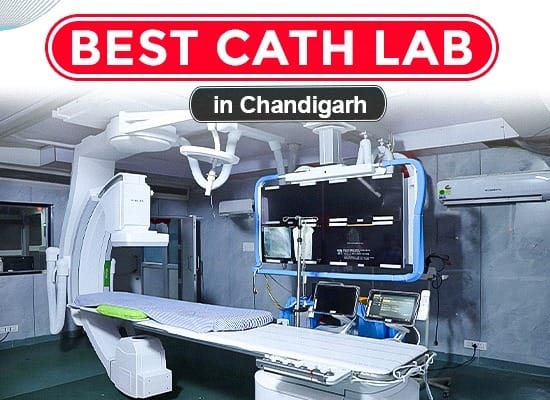
Best Cath Lab Near Me – Advanced Cardiac Care in Chandigarh Heart diseases are among the leading health concerns in India, and timely diagnosis plays a crucial role in effective treatment. For people searching for the best cath lab near me, finding a hospital that combines advanced technology with expert care is essential. A Cath Lab (Cardiac Catheterization Laboratory) is a specialized facility where doctors perform diagnostic imaging and interventional cardiac procedures to identify and treat heart conditions such as blocked arteries, irregular heartbeats, and structural defects.Modern Cath Labs use sophisticated imaging systems that help cardiologists visualize the heart and blood vessels in real time. This allows for precise detection of blockages and ensures accurate placement of stents, pacemakers, or other cardiac devices. A well-equipped Cath Lab can be the difference between early detection and late intervention, especially during emergencies like heart attacks. When choosing the best cath lab near me, patients should consider factors such as the hospital’s medical expertise, advanced equipment, and 24×7 emergency support. In Chandigarh, Mukat Hospital stands out as a trusted name, offering one of the region’s most advanced Cath Lab facilities along with comprehensive heart care services. Mukat Hospital – Leading the Way in Cardiac Excellence Mukat Hospital, located in the heart of Chandigarh, is widely recognized for its world-class cardiac care and state-of-the-art Cath Lab services. The hospital’s Cardiac Catheterization Laboratory is equipped with the latest digital imaging technology, enabling doctors to perform both diagnostic and therapeutic procedures with exceptional accuracy. The experienced team of cardiologists and cardiac surgeons at Mukat Hospital specializes in a wide range of interventional cardiology procedures, including: Coronary Angiography and Angioplasty Stent Placement and Balloon Angioplasty Pacemaker and ICD/ CRT Implantation Peripheral Angioplasty BMV (Balloon Mitral Valvotomy) Patients who visit Mukat Hospital often say that it’s the perfect answer to their search for the best cath lab near me in Chandigarh, thanks to its combination of advanced technology, experienced doctors, and compassionate care. Comprehensive Healthcare Services at Mukat Hospital Beyond its advanced Cath Lab, Mukat Hospital is a multi-specialty healthcare center offering a full range of medical and surgical services, including: Cardiology and Cardiac Surgery Neurosciences and Neurology Orthopaedics and Joint Replacement Gastroenterology and General Surgery Critical Care and Emergency Medicine Diagnostics, Imaging, and Preventive Health Check-ups The hospital is NABH-accredited, ensuring that all treatments meet the highest national standards of quality and patient safety. Mukat Hospital also provides 24×7 emergency and trauma services, supported by advanced ICUs and experienced critical care specialists. Why Choose Mukat Hospital for Heart Care Expert team of cardiologists and surgeons Latest technology and advanced imaging systems Personalized care and patient-focused approach Affordable and transparent treatment options Emergency heart care available round the clock Conclusion If you are searching for the best cath lab near me in Chandigarh, Mukat Hospital is the name you can trust. With a perfect blend of medical expertise, cutting-edge technology, and compassionate care, the hospital ensures that every patient receives the highest standard of cardiac treatment. From diagnostics to interventional procedures and recovery, Mukat Hospital continues to lead the way in heart care — saving lives, one heartbeat at a time. Customer Health Location locationCreated with Sketch Beta. Facebook Twitter Youtube Linkedin Instagram
Heart Specialist in Chandigarh – Expert Cardiac Care at Mukat Hospital
Heart Specialist in Chandigarh – Expert Cardiac Care at Mukat Hospital Heart disease is one of the leading causes of death worldwide, and in India, the number of people suffering from cardiac issues is rising every year. Unhealthy lifestyles, stress, poor eating habits, smoking, lack of exercise, and genetics are some of the major contributors to heart-related conditions. Common symptoms like chest pain, breathlessness, fatigue, dizziness, or palpitations should never be ignored, as they could be early warning signs of underlying heart problems. If you’re experiencing any of these symptoms or have a family history of heart disease, consulting a qualified heart specialist is crucial. Early diagnosis and timely treatment can save lives and improve quality of life. For residents of Chandigarh and surrounding areas, Mukat Hospital stands out as a trusted name in advanced cardiac care. Why Choose Mukat Hospital for Heart Treatment in Chandigarh? Mukat Hospital is a multi-specialty healthcare center known for its excellence in cardiology. With a team of highly experienced cardiologists, state-of-the-art infrastructure, and compassionate care, Mukat Hospital has become a preferred destination for heart patients in Chandigarh and nearby regions. Services Offered by Our Heart Specialists at Mukat Hospital 1. Cardiac Consultation & Diagnosis Our heart specialists begin with a detailed consultation to understand your symptoms, medical history, and lifestyle. We offer advanced diagnostic tests such as ECG, 2D Echo, TMT (treadmill test), Holter monitoring, and CT coronary angiography to accurately assess heart conditions. 2. Interventional Cardiology Our interventional cardiology team performs procedures such as angiography, angioplasty (stent placement), and catheter-based treatments for heart blockages. These minimally invasive procedures help restore blood flow and prevent heart attacks with quicker recovery times. 3. Cardiothoracic & Vascular Surgery (CTVS) Mukat Hospital is equipped with a dedicated operation theatre for open-heart surgeries, bypass surgery (CABG), valve replacement, congenital heart defect repair, and vascular surgeries. Our cardiac surgeons bring years of experience and a high success rate. 4. Pacemaker & Device Implantation For patients with irregular heartbeats (arrhythmia), we offer permanent pacemaker implantation, AICD (Automated Implantable Cardioverter Defibrillator), and CRT (Cardiac Resynchronization Therapy). 5. Emergency Cardiac Care Our 24×7 emergency and ICU services are always ready to handle cardiac emergencies such as heart attacks, arrhythmias, or cardiac arrest. Our rapid response team ensures timely intervention, which is critical during golden hours. 6. Preventive Cardiology & Rehabilitation We focus not just on treatment but also on prevention. Our preventive cardiology programs include lifestyle counseling, diet management, stress reduction, and routine heart check-ups to help patients avoid future complications. Post-surgery cardiac rehabilitation ensures full recovery and long-term heart health. Book an Appointment with the Best Cardiologist in Chandigarh Whether you need a routine heart check-up or advanced treatment for a serious cardiac condition, Mukat Hospital is here for you. With a legacy of trust, modern technology, and patient-centered care, we ensure you receive the best treatment tailored to your condition. Don’t ignore your heart’s warning signs. Book an appointment with our heart specialist in Chandigarh today and take the first step towards a healthier life. Customer Health Location locationCreated with Sketch Beta. Facebook Twitter Youtube Linkedin Instagram
Cardiologist in Chandigarh
Cardiologist in Chandigarh – Advanced Heart Care at Mukat Hospital If you are looking for expert cardiology in Chandigarh, Mukat Hospital is a trusted destination for comprehensive heart health services. Our team of highly experienced cardiologists and cardiac specialists is dedicated to diagnosing, treating, and managing a wide range of heart conditions using the latest technology and evidence-based practices. At Mukat Hospital, we understand that every heartbeat matters. Our Cardiology Department offers specialized care for heart diseases such as coronary artery disease, arrhythmias, heart failure, valve disorders, and hypertension. We are equipped with state-of-the-art diagnostic tools, including ECG, Echocardiography, TMT, Holter Monitoring, and advanced cardiac imaging, ensuring accurate assessment and timely treatment. Our interventional cardiology services include angiography, angioplasty (stenting), pacemaker implantation (including LBB pacing), CRT implantation, Peripheral Vascular Interventions, BMV and other minimally invasive procedures. For patients requiring surgical intervention, we collaborate closely with our Cardiothoracic Surgery team to ensure seamless care. What sets Mukat Hospital apart is our patient-centric approach. From emergency heart care to preventive cardiology, we focus on providing personalized treatment plans tailored to each patient’s unique needs. Our team is available round-the-clock for cardiac emergencies, supported by a fully equipped ICCU (Intensive Coronary Care Unit). Choose Mukat Hospital, Chandigarh, for compassionate, comprehensive, and cutting-edge cardiology care. Your heart is in expert hands. Book an appointment today with our top cardiologists and take the first step towards a healthier heart. Customer Health Location locationCreated with Sketch Beta. Facebook Twitter Youtube Linkedin Instagram
Knee Replacement Surgery: Things to Know Pre and Post Surgery

Knee Replacement Surgery: Things to Know Pre and Post Surgery Knee replacement surgery is an effective treatment method for patients with severe arthritis or have knee injuries with severe chronic pain. Mukat Hospital is famously known for knee replacement surgery in Chandigarh and is equipped with orthopedic specialists. Before Knee Replacement Surgery Medical Evaluation Right before the surgery, the doctor will conduct a medical evaluation in the form of performing and analyzing X-rays and in some cases MRIs. As an Orthopedic Specialist, I always make it a point for proper planning and the right approach is needed to achieve surgery goals. Pre-Surgery Preparation With the focus of improving recovery results, patients are encouraged to lose weight, stop using some medications and strengthen their leg muscles with proper guided exercises. Physiotherapists at Mukat Hospital help patients with safe pre-surgery exercise regimens. Lifestyle Changes In the days before the surgery, consider preparing your house for moves within the house, like removing certain obstacles, getting mobility aids like a walker, and setting up for help. During the Surgery A knee replacement surgery takes anywhere from one to two hours. It is a two-part surgery where they remove the damaged cartilage and bone, and then a metal and Polyethylene prosthesis is inserted. Mukat Hospital is known for using modern surgical techniques & approaches, including Robotic knee Replacement & minimally invasive approach, which are gentler on the body and help with quicker recovery. After Knee Replacement Surgery Hospital Stay and Immediate Recovery Almost all patients stay for two to three days in the hospital post-surgery. At Mukat Hospital, the orthopedic team looks after patients and ensures proper recovery, manages pain, and begins within 24 Hours Gentle Physical Therapy to help recover from the surgery. Physical Therapy and Rehabilitation To regain full movement of the knee, rehabilitation is necessary. A detailed physiotherapy regime, which includes improvement of flexibility, strength and balance, is formulated along with rehabilitation. Mukat Hospital has a dedicated rehabilitation centre, which ensures uninterrupted continuity of care. Patient is allowed to walk full weight after 24 hours of surgery Controlling Pain and Swelling In the first 3-5 days after surgery, some pain and swelling is common. These symptoms can be managed with proper rest, prescribed medications, and physical cold therapy. Going Back to Your Daily Life Within 4 to 6 weeks, most patients can start doing normal physical activities. & Walk independently without support. Although exercises will still continue for 2 months of pain-free. Following the instructions given by your orthopaedic surgeon from Mukat Hospital will guarantee a fast and safe recovery. Suffering from debilitating pain and limited movement can be life-altering, however, Knee Replacement surgery can enhance your quality of life. Predominantly, knee replacement surgery will improve the functionality of your knee. Trustworthy experts along with state-of-the-art technology and a tailored rehabilitation program are what you will receive from Mukat Hospital, One of the Best Hospitals for knee surgery in Chandigarh. Our team will assist you in regaining your mobility and living a life free of pain. Contact Us If you have any queries or questions. Please feel free to contact us.9023884444, 9545124000 Customer Health Location locationCreated with Sketch Beta. Facebook Twitter Youtube Linkedin Instagram
The Leading Cause of Death Globally- Facts You Need to Know

The Leading Cause of Death Globally- Facts You Need to Know When it comes to the world’s health, one fact stands out sharply: CVDs or cardiovascular diseases are the leading cause of death. As per the CVD data of the WHO, heart conditions like Heart Attacks, Strokes, and heart failures more than any other disease and account for nearly 18 million deaths per year. Why Heart Diseases Are So Deadly The combination of unhealthy and high-stress work environments, poor diets, and the failure to run periodic medical check-ups is the foremost CVD disease of concern. High blood pressure, diabetes, high cholesterol, obesity, smoking, and a sedentary life increase the risk of heart problems. The Situation in India Heart diseases have largely contributed to the burden of disease in India. This increase in heart disease is accompanied by the prevalence of now sedentary work styles among younger individuals. Educational centres in Chandigarh are more aware of the benefits of early clinical and preventive initiatives. Mukat Hospital Chandigarh – No.1 Hospital For Heart Specialists When it comes to caring for your heart in Chandigarh, Mukat Hospital is the most trusted. As the No.1 Heart Specialist Hospital in Chandigarh, Mukat is one of the best in the region, providing world-class facilities with modern diagnostic equipment, in addition to its experienced cardiologists and cardiac surgeons. Their services include: Detailed Heart Evaluation Advanced Cardiac Surgical Procedures Angiography and Angioplasty Procedures Implantation of Cardiac Pacemakers Rehabilitation Following Cardiac Surgery With its unparalleled heart care services, Mukat Hospital is Distinguishable for its medical infrastructure, safety, and dedication to its patients. Final Thoughts Though heart disease reigns as the top cause of death, it is not without prevention. With timely medical and lifestyle intervention, risks can be significantly minimised with the right attention from trusted institutions such as Mukat Hospital, Chandigarh. Remember, your heart health is your most valuable asset – protect it before it’s too late. Contact Us If you have any queries or questions. Please feel free to contact us.9023884444, 9545124000 Customer Health Location locationCreated with Sketch Beta. Facebook Twitter Youtube Linkedin Instagram
Life After The Angioplasty Surgery: Recovery and Care Suggestions

Life After The Angioplasty Surgery: Recovery and Care Suggestions Angioplasty is done to open the heart arteries and allow blood to flow better. Although the surgery can relieve symptoms and reduce the risk of heart problems, the long-term recovery is based on how one takes care of themself after the surgery. Mukat Hospital, which is Famous for cardiac care in Chandigarh, carefully guides the patients to recover and improve their heart health. Recovery Period Most patients can begin light physical activity after a few days of completing their angioplasty. However, recovery varies based on the patient’s age, health status, and whether a stent was put in place. And, in some situations, a physician may intend to admit the patient for observation and keep them in the hospital for one or two days. At Mukat Hospital, their Recovery is Monitored with heart checkups, and the wound site and general condition are evaluated for their discharge. Importance of Following the Treatment Plan In addition to the angioplasty surgery, post-operative medication is equally important. Blood thinners, cholesterol-lowering medicines, and in some creates heart-protective medication are important after the surgery. These medications reduce the risks of blood clotting and blockages. It is important that the medications are taken according to schedule and should only be stopped after the Physician’s Advice. Each patient at Mukat Hospital is provided with personally designed treatment plans. Eating Good For You A heart-friendly diet is an important part of recovery. Cut back on foods that have a lot of salt, sugar, or unhealthy fats. Instead, try focusing on vegetables, fruits, whole grains, lean proteins, and healthy fats. The Dieticians at Mukat Hospital can help create meal plans that assist in healing and maintaining heart wellness for the future. Light Basic Exercise To an extent, exercise can help strengthen the heart and improve blood flow. Begin with short walks and gradually increase the time. Do not engage in intense activities, heavy lifting, or rigorous exercise until cleared by your doctor. Patients can Safely Exercise Through Mukat Hospital’s organized cardiac rehab programs. Lower Stress Your emotional state is equally important as your body when it comes to recovery. Being under a lot of stress can impact your blood pressure and heart rate. Basic breathing exercises, meditation, and yoga can help a lot. Mukat Hospital offers counseling to help patients cope better with the ups and downs during recovery. Consistent Follow-Up Appointments Regular checkups are important to monitor the functionality of the stent and ensure the heart is in good condition. At these appointments, the doctor also monitors the cholesterol, blood pressure, and the recovery process. Mukat Hospital has sophisticated technologies for precise and timely assessment to track the patient’s recovery safely. Limit Alcohol and Avoid Smoking Both smoking and drinking alcohol can hinder recovery after undergoing angioplasty, as smoking is known to damage blood vessels. Alcohol can increase blood pressure, so it must also be kept to a minimum. Counseling services aimed at Helping Patients Quit Smoking are available at Mukat Hospital. Final Note After an angioplasty, the patient’s focus should be on sustaining the enhancements the procedure has made to their heart. Mukat Hospital patients enjoy comprehensive treatment and support, which empowers them to enjoy not only a healthier and more active life, but also a brighter and more fulfilling life. With a proper diet and lifestyle changes, these goals become attainable. Contact Us If you have any queries or questions. Please feel free to contact us.9023884444, 9545124000 Customer Health Location locationCreated with Sketch Beta. Facebook Twitter Youtube Linkedin Instagram
Heart Attack Treatment in Chandigarh – Trusted Emergency Heart Care at Mukat Hospital
Heart Attack Treatment in Chandigarh – Trusted by Patients at Mukat Hospital A heart attack is a life-threatening condition that needs immediate medical attention. With changing lifestyles, stress, poor diet, and lack of exercise, the number of heart attack cases is rising across India, including in Chandigarh. At Mukat Hospital, we offer advanced and timely heart attack treatment in Chandigarh, backed by experienced cardiologists and 24×7 emergency heart care services. What is a Heart Attack? A heart attack, medically called myocardial infarction, occurs when the blood supply to part of the heart muscle is blocked. Without urgent emergency cardiac care, heart muscles begin to die, which can lead to serious complications or even death. At Mukat Hospital Chandigarh, our interventional cardiologists are trained to quickly diagnose and treat heart attacks using modern procedures like angiography and angioplasty. Early Signs of a Heart Attack Recognizing the symptoms early is crucial. Watch out for Chest pain or tightness Pain in arms, back, neck, or jaw Difficulty breathing Cold sweat, dizziness, or nausea Sudden tiredness or fatigue Some heart attacks may occur without chest pain, especially in diabetics and women. If you notice any of these symptoms, reach out to the best cardiologist in Chandigarh at Mukat Hospital immediately. Risk Factors for Heart Attacks Many conditions increase the risk of heart disease and heart attacks: High blood pressure High cholesterol Diabetes Smoking and alcohol use Obesity and sedentary lifestyle Family history of heart disease Chronic stress and poor dietary habits If you have any of these risk factors, visit Mukat Hospital for a comprehensive heart checkup in Chandigarh and reduce your chances of future complications. What to Do During a Heart Attack Quick action can save lives. Here’s what to do: Call emergency services immediately Chew aspirin (unless allergic) Stay calm and rest while waiting for help Visit a hospital with 24×7 cardiac emergency care like Mukat Hospital Chandigarh We are known for emergency heart care in Chandigarh, with round-the-clock availability of specialists and ICU support. Why Choose Mukat Hospital for Heart Care in Chandigarh? At Mukat Hospital, we are among the most trusted names for heart treatment in Chandigarh. Here’s why: 24×7 emergency cardiac services Advanced Cath Lab for angiography and angioplasty Experienced interventional cardiologists Fast, accurate ECG and diagnostic services Affordable heart screening packages Complete rehabilitation and follow-up care Whether it’s a minor chest pain or a full-blown heart attack, our team ensures every patient receives the best heart care in Chandigarh. Heart Health Tips – Prevention is Key You can reduce your risk by making simple lifestyle changes: Eat a balanced, heart-friendly diet Exercise at least 30 minutes a day Quit smoking and limit alcohol intake Control stress through yoga and meditation Schedule regular visits with a cardiologist in Chandigarh Book a heart checkup in Chandigarh today at Mukat Hospital and take a proactive step towards better heart health. Conclusion Heart attacks can strike without warning, but prompt medical care can make all the difference. At Mukat Hospital Chandigarh, we provide rapid response and expert treatment for all heart emergencies. If you or someone around you experiences chest discomfort or any warning signs, don’t delay. Reach out to our emergency team or book a consultation with a cardiologist at Mukat Hospital now. Your heart is in safe hands. Call us now for appointments or walk into our emergency heart care unit anytime – we’re open 24/7 Contact Us If you have any queries or questions. Please feel free to contact us.9023884444, 9545124000 Customer Health Location locationCreated with Sketch Beta. Facebook Twitter Youtube Linkedin Instagram
Common Myths and Facts About Neurosurgery
Common Myths and Facts About Neurosurgery The thought of neurosurgery often creates fear and confusion. Thanks to movies, old beliefs, and incomplete information, many myths surround brain and spine surgeries. At Mukat Hospital, Chandigarh, we believe that when patients understand the facts, they feel more confident and at ease. Today’s neurosurgery is highly advanced, precise, and safe. Let’s break down some common myths and uncover the real facts you should know. Myth 1: Neurosurgery Is Extremely Dangerous Fact:While neurosurgery does involve delicate parts of the body, calling it extremely dangerous is outdated. With modern technology like surgical microscopes, advanced imaging, and neuronavigation systems, the risks are much lower today.At Mukat Hospital, our experienced neurosurgeon uses the safest techniques to ensure successful outcomes for our patients Myth 2: Brain Surgery Always Leads to Memory Loss Fact:Not every brain surgery impacts memory. Surgeons carefully plan procedures to avoid important areas that control memory and thinking. In many cases, treating brain tumors or relieving pressure actually improves brain function.Our team takes every possible step to protect your memory and cognitive skills during and after surgery. Myth 3: Recovery Takes Many Years After Neurosurgery Fact:Recovery time varies depending on the type of surgery and the patient’s health, but most patients do not need years to heal.Thanks to minimally invasive techniques and advanced rehabilitation programs, many people start normal activities within weeks or months. At Mukat Hospital, we design personalized recovery plans to help every patient heal at their own pace. Myth 4: Every Neurosurgery Involves a Big Skull Opening Fact:Gone are the days when all brain surgeries required large openings. Today, many procedures use minimally invasive methods through small cuts, often called “keyhole surgeries.”These techniques mean less pain, quicker recovery, and smaller scars. Our experts at Mukat Hospital always choose the least invasive method whenever possible. Myth 5: Neurosurgery Is Only for Emergencies Fact:Neurosurgery does more than just save lives during emergencies. Many people with chronic conditions like epilepsy, severe facial pain (trigeminal neuralgia), hydrocephalus, and movement disorders such as Parkinson’s disease also benefit from surgical treatment.The goal is often to improve quality of life, not just to handle life-threatening issues. Myth 6: Life Will Never Be Normal Again After Neurosurgery Fact:Many patients return to normal work, hobbies, and social life after recovering from neurosurgery. With the right care, physical therapy, and emotional support, it’s possible to live a full and active life post-surgery.At Mukat Hospital, we walk with you every step of the way — from surgery through complete rehabilitation. What Modern Neurosurgery Looks Like Modern neurosurgery focuses on: Precise Planning: Detailed imaging and surgical mapping help in accurate diagnosis and surgery. Less Invasive Options: Smaller cuts lead to less trauma, faster healing, and better cosmetic results. Comprehensive Patient Care: Neurosurgeon, anesthetists, nurses, and physiotherapists work together to deliver seamless care Improved Outcomes: With early diagnosis and treatment, many conditions are managed effectively. When Should You See a Neurosurgeon? It’s important to consult a neurosurgeon if you experience: Frequent or severe headaches Sudden vision problems Memory loss or confusion Seizures Numbness, weakness, or balance issues Early diagnosis can make a huge difference in treatment success and recovery. Why Choose Mukat Hospital for Neurosurgery? At Mukat Hospital, Chandigarh, we offer: Experienced Neurosurgeon: Our doctors have extensive training and years of practice. Advanced Technology: We use state-of-the-art surgical tools and imaging equipment. Personalized Care: Every patient’s journey is unique, and we treat it that way. Complete Support: From diagnosis to rehabilitation, our team supports you at every stage. Neurosurgery might seem intimidating, but when you have the right information and the right medical team, it becomes a life-changing journey toward better health. If you or a loved one needs advice on brain or spine conditions, don’t let myths hold you back. Trust the experts at Mukat Hospital, Chandigarh — we’re here to guide you with the best care possible. Customer Health Location locationCreated with Sketch Beta. Facebook Twitter Youtube Linkedin Instagram


