


Common Myths and Facts About Neurosurgery
Common Myths and Facts About Neurosurgery The thought of neurosurgery often creates fear and confusion. Thanks to movies, old beliefs, and incomplete information, many myths surround brain and spine surgeries. At Mukat Hospital, Chandigarh, we believe that when patients understand the facts, they feel more confident and at ease. Today’s neurosurgery is highly advanced, precise, and safe. Let’s break down some common myths and uncover the real facts you should know. Myth 1: Neurosurgery Is Extremely Dangerous Fact:While neurosurgery does involve delicate parts of the body, calling it extremely dangerous is outdated. With modern technology like surgical microscopes, advanced imaging, and neuronavigation systems, the risks are much lower today.At Mukat Hospital, our experienced neurosurgeon uses the safest techniques to ensure successful outcomes for our patients Myth 2: Brain Surgery Always Leads to Memory Loss Fact:Not every brain surgery impacts memory. Surgeons carefully plan procedures to avoid important areas that control memory and thinking. In many cases, treating brain tumors or relieving pressure actually improves brain function.Our team takes every possible step to protect your memory and cognitive skills during and after surgery. Myth 3: Recovery Takes Many Years After Neurosurgery Fact:Recovery time varies depending on the type of surgery and the patient’s health, but most patients do not need years to heal.Thanks to minimally invasive techniques and advanced rehabilitation programs, many people start normal activities within weeks or months. At Mukat Hospital, we design personalized recovery plans to help every patient heal at their own pace. Myth 4: Every Neurosurgery Involves a Big Skull Opening Fact:Gone are the days when all brain surgeries required large openings. Today, many procedures use minimally invasive methods through small cuts, often called “keyhole surgeries.”These techniques mean less pain, quicker recovery, and smaller scars. Our experts at Mukat Hospital always choose the least invasive method whenever possible. Myth 5: Neurosurgery Is Only for Emergencies Fact:Neurosurgery does more than just save lives during emergencies. Many people with chronic conditions like epilepsy, severe facial pain (trigeminal neuralgia), hydrocephalus, and movement disorders such as Parkinson’s disease also benefit from surgical treatment.The goal is often to improve quality of life, not just to handle life-threatening issues. Myth 6: Life Will Never Be Normal Again After Neurosurgery Fact:Many patients return to normal work, hobbies, and social life after recovering from neurosurgery. With the right care, physical therapy, and emotional support, it’s possible to live a full and active life post-surgery.At Mukat Hospital, we walk with you every step of the way — from surgery through complete rehabilitation. What Modern Neurosurgery Looks Like Modern neurosurgery focuses on: Precise Planning: Detailed imaging and surgical mapping help in accurate diagnosis and surgery. Less Invasive Options: Smaller cuts lead to less trauma, faster healing, and better cosmetic results. Comprehensive Patient Care: Neurosurgeon, anesthetists, nurses, and physiotherapists work together to deliver seamless care Improved Outcomes: With early diagnosis and treatment, many conditions are managed effectively. When Should You See a Neurosurgeon? It’s important to consult a neurosurgeon if you experience: Frequent or severe headaches Sudden vision problems Memory loss or confusion Seizures Numbness, weakness, or balance issues Early diagnosis can make a huge difference in treatment success and recovery. Why Choose Mukat Hospital for Neurosurgery? At Mukat Hospital, Chandigarh, we offer: Experienced Neurosurgeon: Our doctors have extensive training and years of practice. Advanced Technology: We use state-of-the-art surgical tools and imaging equipment. Personalized Care: Every patient’s journey is unique, and we treat it that way. Complete Support: From diagnosis to rehabilitation, our team supports you at every stage. Neurosurgery might seem intimidating, but when you have the right information and the right medical team, it becomes a life-changing journey toward better health. If you or a loved one needs advice on brain or spine conditions, don’t let myths hold you back. Trust the experts at Mukat Hospital, Chandigarh — we’re here to guide you with the best care possible. Customer Health Location locationCreated with Sketch Beta. Facebook Twitter Youtube Linkedin Instagram
Common Summer Sports Injuries and How to Prevent Them

Common Summer Sports Injuries and How to Prevent Them How Summer Affects Our Physical Activity As summer sets in, we naturally feel more inclined to head outdoors and get moving. The warm weather and longer daylight hours often encourage people to join sports activities, take morning walks, or even participate in local tournaments and fitness sessions. While this increased activity is great for our health, it also leads to a sharp rise in sports-related injuries during this season. At Mukat Hospital, we observe a significant increase in orthopedic cases every summer. Many of these injuries are preventable, provided we take the right precautions. This article discusses the most common injuries associated with summer sports and how you can avoid them to stay safe and active. Why Injuries Are More Common in Summer Summer sports injuries aren’t just random accidents. They often happen because of a sudden change in physical activity levels. People who’ve been inactive for months often jump straight into strenuous exercises without warming up properly. Add to this the heat, which causes quicker dehydration, and you have a perfect storm for injuries.Another factor is improper gear—many people use worn-out shoes, skip basic safety equipment, or play on uneven surfaces. These simple mistakes can result in painful injuries that could have been avoided with a little preparation and awareness.Ankle Sprains: The Most Frequent Summer InjuryTwisting your ankle while jogging or playing is more common than you might think. Ankle sprains usually happen when the foot lands awkwardly, stretching the ligaments beyond their normal range. This can cause pain, swelling, and difficulty in walking.Wearing proper shoes with good grip and ankle support is essential. Also, take a few minutes to stretch and warm up your muscles before starting any physical activity. This small effort can make a big difference in injury prevention. Knee Injuries: Don’t Ignore the Warning SignsKnees are under constant stress in almost all types of physical activity. Injuries like ACL tears, meniscus damage, and ligament strain are particularly common in sports that involve quick turns, jumps, or sudden stops—such as basketball, cricket, or football.At Mukat Hospital, recognized as a total knee replacement surgery hospital in Chandigarh, we regularly treat both acute knee injuries and long-term damage that could have been prevented with early care. Strength-building exercises for your leg muscles, combined with correct form and protective gear, can go a long way in keeping your knees safe. Heat, Dehydration, and Muscle CrampsThe heat of summer can easily wear down your stamina, especially when combined with sweat loss. When you sweat, your body loses not only water but also essential salts, which can result in muscle cramps. These cramps can come on suddenly, often in the legs or arms, and can be quite painful. The heat of summer can easily wear down your stamina, especially when combined with sweat loss. When you sweat, your body loses not only water but also essential salts, which can result in muscle cramps. These cramps can come on suddenly, often in the legs or arms, and can be quite painful. Shoulder Injuries from OveruseIf you’re into swimming, tennis, or badminton, your shoulder joints are likely doing a lot of repetitive work. This overuse can lead to problems like rotator cuff injuries or tendonitis. These conditions often begin with mild discomfort and can worsen if ignored.The key to prevention is proper technique and regular shoulder-strengthening exercises. Don’t overdo it—listen to your body and allow rest between sessions. A physiotherapist or sports trainer can also help improve your posture and movement to reduce strain on the joints.Tennis Elbow and Golfer’s ElbowBoth of these conditions are caused by repetitive stress on the elbow joint, leading to inflammation and pain. While often linked to tennis or golf, they can happen in any activity involving repeated arm movements, such as weight training or even prolonged typing.Using correct form and equipment, taking breaks, and doing strengthening exercises for your forearm muscles can help reduce the risk. If you begin to feel discomfort, stop and seek advice instead of pushing through the pain. Fractures and Dislocations: Serious But Avoidable Falls are a major reason for fractures and joint dislocations during summer. Whether it’s a missed step while hiking or a fall during a football match, such injuries often require urgent medical care. They can lead to long-term joint issues if not treated properly. As the best ortho hospital knee replacement surgery in Chandigarh, Mukat Hospital is fully equipped to handle such emergencies with advanced imaging and surgical techniques. Wearing protective gear, using proper footwear, and playing in safe, well-maintained environments can significantly lower your risk. Tips to Stay Injury-Free This Summer The most effective way to prevent summer sports injuries is to be consistent with your warm-up and cool-down routines. These exercises help prepare your muscles and joints for movement and aid in recovery afterward. Staying hydrated is just as important—especially when exercising outdoors in the heat.Make sure your sports gear and shoes are in good condition. Footwear, in particular, needs to provide proper support. Also, give yourself time to build up your activity levels gradually—don’t jump into intense routines if you’ve been inactive.Above all, listen to your body. Pain, swelling, or stiffness should never be ignored. Rest when needed, and don’t hesitate to consult a medical expert if something doesn’t feel right. When Should You See a Doctor? If your discomfort persists beyond a day or two, or if the pain worsens with movement, it’s time to see a specialist. Delaying treatment for even seemingly minor injuries can lead to long-term damage. At Mukat Hospital, our team of orthopedic doctors, sports medicine specialists, and physiotherapists work together to offer holistic care. Whether it’s a ligament strain or a need for total knee replacement surgery in Chandigarh, we provide expert care that’s customized for your condition. Why Mukat Hospital for Orthopedic and Sports Injury Care? We’re proud to be regarded as the best ortho hospital knee replacement surgery in Chandigarh, and that’s because we believe in offering more
Summer & Kidney Health: Staying Safe in the Heat

Summer & Kidney Health: Staying Safe in the Heat As the summer season unfolds with longer days and soaring temperatures, it’s essential to pay special attention to your health—especially your kidneys. These vital organs work constantly to filter waste, balance fluids, and regulate blood pressure. But with excessive heat, their function can be challenged, especially in people who are already managing kidney-related conditions. At Mukat Hospital & Heart Institute, our nephrology experts emphasize the importance of seasonal kidney care to prevent dehydration, urinary issues, and kidney stone formation during the warmer months. Why Kidney Health Is More Vulnerable in Summer High temperatures increase the risk of fluid loss through sweating, which can lead to dehydration. When the body lacks enough fluids, kidney function can slow down, and toxins may start building up in the body. Even individuals with healthy kidneys can face issues if they do not stay properly hydrated. Some of the most common kidney-related issues that spike during summer include: Dehydration Kidney stones Urinary tract infections (UTIs) Electrolyte imbalances Acute Kidney Injury (AKI) People with Chronic Kidney Disease (CKD), diabetes, or hypertension are at even greater risk during hot weather and must take extra precautions. Hydration Is the Key to Healthy Kidneys One of the simplest yet most effective ways to protect your kidneys during summer is by drinking plenty of water. Proper hydration supports kidney function, helps flush out toxins, and prevents the concentration of minerals that may lead to kidney stones.Simple Hydration Tips: Aim for 8–10 glasses of water per day; more if you’re active or exposed to heat. Choose water and fresh fruit juices over sodas and caffeinated drinks. Don’t wait to feel thirsty—sip water throughout the day. If you have fluid restrictions due to kidney disease or are on dialysis, consult your doctor to determine your safe fluid limit. Beware of Summer Risks to Kidney Health 1. Kidney StonesWarm temperatures can lead to concentrated urine, increasing the chances of mineral buildup and stone formation. Prevention Tips: Stay well-hydrated throughout the day. Limit high-sodium foods, animal proteins, and oxalate-rich items like spinach, beets, and nuts. Cut down on soft drinks containing phosphoric acid. 2. Urinary Tract Infections (UTIs)Dehydration can result in less frequent urination, allowing bacteria to multiply in the urinary tract. Prevention Tips: Drink enough fluids to urinate regularly. Practice good hygiene. Avoid delaying urination for long periods. 3. Heat Stress and Acute Kidney InjuryProlonged exposure to heat without adequate hydration can lead to sudden kidney stress or even injury. Warning Signs Include: Fatigue, confusion, low urine output, and swelling. Seek medical help if these symptoms appear. Smart Eating for Summer Kidney Care Diet has a direct impact on kidney health. During summer, opt for meals that are light, hydrating, and low in salt. Kidney-Friendly Summer Foods: Fresh fruits like apples, papayas, grapes, and watermelons Vegetables like bottle gourd, ridge gourd, and zucchini Coconut water in moderation for natural electrolytes Homemade buttermilk and lemon water without salt Foods to Avoid: Processed snacks high in salt Canned and packaged foods Sugary and carbonated beverages Excess red meat or heavy proteins If you are already living with CKD, follow your renal diet plan closely, and consult a nephrologist before making any changes. Summer Care Tips for Kidney Patients People with chronic kidney conditions or those on dialysis should be particularly careful during the hot season. Even minor dehydration or dietary mistakes can lead to complications. For CKD Patients: Monitor fluid intake and avoid overconsumption. Keep a regular check on blood pressure and creatinine levels. Avoid over-the-counter painkillers unless prescribed. Take medications on time and as directed. For Dialysis Patients: Follow fluid and salt restrictions to avoid fluid overload. Ensure dialysis solutions are stored correctly and not exposed to heat. Attend all scheduled dialysis sessions—do not skip even during travel. Supporting Kidney Health Holistically Kidney care during summer isn’t only about fluids and diet—it’s also about overall wellness. Additional Tips: Avoid strenuous activities during peak sun hours (11 AM to 4 PM). Stay indoors or in cool environments during extreme heat. Wear light-colored, breathable clothing. Include gentle exercises, like stretching or indoor yoga. Get 7–8 hours of restful sleep each night. Manage stress through deep breathing, meditation, or light walks. Mukat Hospital: Your Trusted Partner in Kidney Care At Mukat Hospital & Heart Institute, Chandigarh, our Department of Nephrology is committed to providing personalized, compassionate care for every kidney patient. With experienced nephrologists, modern dialysis units, and a patient-first approach, we offer comprehensive services, including: Early diagnosis and management of kidney disorders Hemodialysis and peritoneal dialysis Kidney stone treatment CKD and hypertension management Nutritional counseling for kidney-friendly diets Conclusion Summer can be a wonderful time of year, but only if you take care of your health. Whether you’re managing an existing kidney condition or simply want to prevent issues, staying hydrated, eating smart, and avoiding excessive heat are your best tools for protection. At Mukat Hospital, we encourage everyone to be proactive about their health—especially in the summer months. Don’t ignore early warning signs like dark-colored urine, fatigue, or swelling. With the right knowledge and expert care, your kidneys can stay strong and healthy all season long. Customer Health Location locationCreated with Sketch Beta. Facebook Twitter Youtube Linkedin Instagram
Is Summer Making Your COPD Worse? Here’s What You Need to Know

Is Summer Making Your COPD Worse? Here’s What You Need to Know Living with Chronic Obstructive Pulmonary Disease (COPD) requires year-round care, but the summer season can bring specific challenges for those affected. With rising temperatures, increased humidity, and higher levels of air pollutants, many COPD patients notice their symptoms getting worse during this time of year.If you or a loved one is dealing with COPD, it’s important to understand how the summer climate impacts lung health and what steps can be taken to manage the condition effectively. Why Do COPD Symptoms Worsen in Summer? Although winter is commonly associated with breathing problems, summer brings its own triggers for people with chronic respiratory conditions. Here’s why the warmer months may affect COPD more than expected: 1. Excessive Heat and HumidityWhen the weather is hot and humid, it can make the air feel thick and heavy. This puts extra pressure on the lungs, especially in individuals already struggling with airflow obstruction, leading to shortness of breath and fatigue. 2. Pollution and OzoneWarmer weather can contribute to higher levels of pollution. Sunlight reacts with pollutants to form ground-level ozone, a common irritant for people with lung diseases. Increased vehicle emissions and dust in the air can also worsen COPD symptoms. 3. Risk of DehydrationThe body loses more fluids in the summer due to sweating. Dehydration can cause mucus in the lungs to become thick and sticky, making it difficult to clear the airways and leading to coughing and wheezing. 4. Seasonal AllergensPollens, dust, and other airborne allergens continue to circulate in summer. These can act as triggers for respiratory issues, particularly for people who have both COPD and allergic conditions like asthma. Common Signs of a Summer Flare-Up It’s important to monitor any changes in your breathing pattern or overall health. Look out for: Feeling unusually short of breath A noticeable increase in coughing or mucus Changes in the color or thickness of mucus Wheezing or tightness in the chest Swollen legs or ankles Fatigue or trouble sleeping due to breathing discomfort If these symptoms become more frequent or severe, don’t delay seeking medical advice. Helpful Tips to Stay Comfortable During Summer You can reduce the impact of heat on your condition with a few lifestyle changes. Our pulmonologists at Mukat Hospital recommend the following: 1. Stay Indoors During Peak HeatTry to limit outdoor activities between 10 AM and 4 PM when the sun is at its strongest. If you must step outside, wear light clothing and carry your inhaler with you. 2. Stay HydratedMake sure to drink enough water throughout the day. Proper hydration keeps mucus thin, helping your lungs function more efficiently. Avoid alcohol and caffeine as they can dehydrate you. 3. Keep Track of Air QualityCheck the Air Quality Index (AQI) using weather apps or local updates. Poor air quality can make breathing more difficult, so it’s best to stay indoors on days when pollution is high. 4. Stick to Your MedicationsNever skip your prescribed treatments. Take your inhalers and medications on time, and make sure you have an emergency inhaler with you at all times. 5. Eat Light and Balanced MealsLarge meals can press against your diaphragm and make breathing more difficult. Eat smaller meals throughout the day and focus on fruits, vegetables, and foods rich in healthy fats. 6. Avoid Strenuous ActivitiesPhysical exertion during the heat can increase breathlessness. Choose gentle indoor exercises like stretching or light yoga and avoid overexerting yourself. 7. Wear MaskYou should wear a mask or scarf on high pollution or high allergen days. When to Seek Medical Help Don’t wait until symptoms become severe. Contact a healthcare provider if you: Experience extreme shortness of breath, even while resting Notice a bluish tint to lips or nails Have trouble speaking full sentences Feel dizzy, confused, or extremely tired See blood in your mucus Have a high fever along with breathing problems These signs could indicate a medical emergency or a severe COPD flare-up that requires immediate treatment. Comprehensive COPD Care at Mukat Hospital, Chandigarh Mukat Hospital offers complete care for patients with chronic respiratory issues. Our Pulmonology Department is staffed with experienced doctors and trained support teams to ensure you get the best possible treatment. Our services include: Detailed lung assessments including spirometry Tailored COPD management plans Pulmonary rehabilitation and breathing therapy Emergency care for acute episodes Oxygen therapy and nebulization support Why Mukat Hospital is the Right Choice Expert pulmonologists with years of experience Round-the-clock ICU and emergency facilities Patient-focused care in a clean, comfortable environment Located conveniently in the heart of Chandigarh (Sector 34A) Compassionate staff and personalized treatment approach Take Charge of Your Lung Health This Summer COPD doesn’t have to limit your life—even during hot weather. With the right precautions, healthy routines, and timely medical attention, you can manage your symptoms and avoid flare-ups. If you’re noticing changes in your breathing or want to consult a lung specialist, don’t wait. Reach out to us today. Customer Health Location locationCreated with Sketch Beta. Facebook Twitter Youtube Linkedin Instagram
Chronic Kidney Disease (CKD): Causes, Symptoms, and Treatment

Chronic Kidney Disease (CKD): Causes, Symptoms, and Treatment The kidneys play a crucial role in maintaining overall health by filtering waste, balancing fluids, and regulating blood pressure. When kidney function declines over time, it leads to a condition known as Chronic Kidney Disease (CKD). This is a progressive condition that, if left untreated, can result in kidney failure, requiring dialysis. Understanding the causes, symptoms, and treatment options can help in early detection and better management. Understanding Chronic Kidney Disease (CKD) Chronic Kidney Disease refers to a gradual loss of kidney function over a period of months or years. It is classified into five stages, with Stage 1 being mild and Stage 5 indicating severe kidney failure. In the early stages, CKD may not show any symptoms, making regular medical check-ups essential for early diagnosis. Common Causes of Chronic Kidney Disease Several factors contribute to CKD, including underlying medical conditions and lifestyle choices. The most common causes include: 1. Diabetes (Diabetic Nephropathy)High blood sugar levels can damage the small blood vessels in the kidneys, affecting their ability to filter waste effectively. Over time, this can lead to kidney failure if not managed properly. 2. High Blood Pressure (Hypertension)Uncontrolled high blood pressure puts extra stress on the kidneys, leading to gradual damage and reduced function. 3. GlomerulonephritisThis condition causes inflammation of the kidney’s filtering units (glomeruli), leading to long-term kidney damage. It can occur due to infections, autoimmune disorders, or other underlying diseases. 4. Polycystic Kidney Disease (PKD)A hereditary condition that results in the formation of multiple fluid-filled cysts in the kidneys, affecting their ability to function properly. 5. Kidney Infections (Pyelonephritis)Repeated kidney infections can cause scarring, which may eventually lead to CKD. 6. Obstruction in Urinary TractBlockages due to kidney stones, an enlarged prostate, or other structural issues can cause pressure buildup and damage the kidneys over time. 7. Long-Term Use of Certain MedicationsOveruse of painkillers (NSAIDs) and certain antibiotics can be harmful to the kidneys if taken for extended periods. 8. Autoimmune DiseasesConditions like lupus and IgA nephropathy can cause the immune system to attack the kidneys, leading to inflammation and reduced function. 9. Smoking and Excessive Alcohol ConsumptionBoth smoking and excessive alcohol use can worsen kidney function by increasing blood pressure and damaging blood vessels. 10. Aging and Family HistoryElderly individuals and those with a family history of kidney disease are at a higher risk of developing CKD. Recognizing Symptoms of CKD CKD often progresses silently, and symptoms may only become noticeable in later stages. Common signs include: 1. Fatigue and WeaknessDue to reduced production of red blood cells, anemia can develop, leading to tiredness. 2. Swelling (Edema)Fluid retention can cause swelling in the feet, ankles, hands, and face. 3. Changes in Urination Increased or decreased urination Presence of bubbles or foam (indicating protein leakage) Blood in urine 4. Shortness of BreathFluid buildup in the lungs may cause breathing difficulties. 5. Nausea and VomitingThe buildup of toxins in the body can lead to digestive discomfort. 6. High Blood PressureCKD can lead to increased blood pressure, worsening kidney function. 7. Loss of Appetite and Weight LossA metallic taste in the mouth and nausea can reduce appetite. 8. Muscle Cramps and Bone PainImbalance of electrolytes can cause muscle cramps, while weak bones may lead to pain. Diagnosing Chronic Kidney Disease Early diagnosis helps in slowing CKD progression. The following tests are commonly used: 1. Blood Tests Serum Creatinine & eGFR: Measures kidney function. Blood Urea Nitrogen (BUN): Indicates waste accumulation in the blood. 2. Urine Tests Urinalysis: Identifies protein, blood, or infection. Albumin-to-Creatinine Ratio (ACR): Detects early kidney damage. 3. Imaging Tests Ultrasound, CT scans, or MRIs help detect structural abnormalities in the kidneys. 4. Kidney Biopsy A small tissue sample is examined to assess kidney damage. Treatment Options for CKD While CKD has no permanent cure, proper management can slow its progression and improve quality of life. 1. Lifestyle Modifications Control Blood Sugar & Blood Pressure: Essential for preventing further kidney damage. Low-Sodium, Kidney-Friendly Diet: Reducing salt, processed foods, and protein intake can help. Stay Hydrated: Drinking adequate water is beneficial but should be done as per medical advice. Quit Smoking & Limit Alcohol: Helps in maintaining overall kidney health. 2. Medications Doctors may prescribe: ACE Inhibitors or ARBs: To lower blood pressure and protect kidney function. Diuretics: To reduce fluid retention. Erythropoietin (EPO): To treat anemia. Phosphate Binders: To control phosphorus levels in the blood. 3. Dialysis When kidney function falls below 15%, dialysis becomes necessary: Hemodialysis: Blood is filtered through a machine. Peritoneal Dialysis: The abdominal lining filters waste within the body. Preventing Chronic Kidney Disease Regular Health Check-ups: Monitor kidney function if you have diabetes or hypertension. Maintain a Balanced Diet and Exercise Routine: Helps in reducing the risk of CKD. Avoid Overuse of Painkillers: Use medications responsibly. Manage Stress Effectively: Chronic stress can contribute to high blood pressure, affecting kidney health. Conclusion Chronic Kidney Disease is a serious condition, but with timely intervention, it can be managed effectively. Early detection and appropriate treatment can significantly slow its progression. At Mukat Hospital, our team of experienced nephrologists offers advanced care for CKD patients, ensuring comprehensive treatment and support. If you or a loved one are experiencing kidney-related symptoms, consult our specialists for timely diagnosis and management. Customer Health Location locationCreated with Sketch Beta. Facebook Twitter Youtube Linkedin Instagram
Say Goodbye to Acne with Advanced Treatments at Mukat Hospital

Say Goodbye to Acne with Advanced Treatments at Mukat Hospital Acne is a skin condition that affects people of different age groups, from teenagers to adults. While it may seem like a harmless issue, it can affect self-esteem and impact daily life. Understanding the causes, identifying the type of acne, and seeking appropriate treatment are key steps toward healthier, clearer skin. At Mukat Hospital, our skilled dermatologists offer personalized acne treatment in Chandigarh, using the latest techniques to help patients overcome persistent breakouts. In this blog, we’ll explore the root causes of acne, different types of acne, and the best treatment options to regain your skin’s natural glow. What Causes Acne? Acne develops when hair follicles or pores become clogged due to excess oil, bacteria, or dead skin cells. This can lead to inflammation and various types of blemishes. The causes of acne often differ from person to person. Common factors include: 1. Hormonal FluctuationsChanges in hormone levels, particularly during puberty, menstruation, pregnancy, or menopause, can cause an overproduction of oil, leading to clogged pores and breakouts. 2. GeneticsIf acne runs in your family, you might be more prone to it. Genetics can influence how oily your skin is, how fast dead skin cells shed, and how likely your pores are to clog. 3. Improper Skincare HabitsUsing products that don’t suit your skin type, over-washing, or skipping cleansing altogether can cause acne flare-ups. 4. Diet and LifestyleConsuming sugary or processed foods, leading a sedentary lifestyle, and dealing with chronic stress can all contribute to acne by increasing inflammation in the body. 5. Environmental FactorsPollution, exposure to heat and humidity, and excessive sweating can all clog pores and worsen acne. Types of Acne To treat acne effectively, it’s essential to recognize the type you’re dealing with. The primary types include: Comedonal Acne (Blackheads and Whiteheads) Blackheads: These are open pores that are clogged with oil and dirt. The dark color comes from oxidation when the debris is exposed to air. Whiteheads: These form when the pores are clogged and remain closed, creating small white or flesh-colored bumps. Inflammatory Acne (Papules and Pustules) Papules: Red, inflamed bumps that are often tender to touch. Pustules: These are similar to papules but are filled with pus, giving them a white or yellowish center. Severe Acne (Nodules and Cysts) Nodules: These are large, painful bumps that form deep beneath the skin. Cysts: Cystic acne is the most severe form, characterized by pus-filled lesions that can cause scarring. This type of acne often requires professional intervention. Acne Treatment Options at Mukat Hospital At Mukat Hospital, we offer a range of effective acne treatments tailored to individual needs. Our dermatologists assess your skin and recommend the most suitable approach. Treatment options include: Topical Medications: Various agents as per stage of acne are available. Oral Medications: Help deal with inflammation & reduce bacteria in moderate to severe acne. Chemical Peels Chemical peels help exfoliate the skin, reduce blackheads and whiteheads, and improve the skin’s overall texture and tone. Laser and Light Therapy These advanced treatments target acne-causing bacteria, reduce oil production, and promote skin healing. They can also minimize the appearance of acne scars. Microneedling and PRP Therapy For acne scars, microneedling and PRP (Platelet-Rich Plasma) therapy stimulate collagen production, improving skin texture and reducing the visibility of scars. Why Choose Mukat Hospital for Acne Treatment? At Mukat Hospital, we pride ourselves on offering the best care for patients dealing with acne. Here’s what makes us a trusted choice for acne treatment in Chandigarh: Experienced Dermatologists: Our team consists of highly skilled dermatologists with years of experience in diagnosing and treating different types of acne. Personalized Treatment Plans: Every patient’s skin is unique, and we tailor our treatments to suit individual needs and concerns. Cutting-Edge Technology: We use the latest equipment and innovative techniques to deliver effective and long-lasting results. Holistic Approach: Our focus extends beyond treating acne. We emphasize prevention, long-term skin health, and confidence-building. Tips for Preventing Acne While professional treatment is essential for managing acne, adopting healthy habits can help prevent future breakouts. Here are some tips to keep your skin clear and healthy: Cleanse Twice a Day: Use a gentle, non-comedogenic cleanser to remove dirt, oil, and makeup. Avoid Touching Your Face: Touching your face can transfer bacteria and worsen existing acne. Choose the Right Skincare Products: Look for products labeled “non-comedogenic,” which won’t clog your pores. Follow a Balanced Diet: Eat more fruits, vegetables, and whole grains, and reduce your intake of sugary and processed foods. Manage Stress: Stress can trigger breakouts, so practice relaxation techniques like yoga, meditation, or deep breathing exercises. Don’t Over-Exfoliate: Exfoliating too often can irritate the skin and make acne worse. Limit exfoliation to once or twice a week. Take the First Step Toward Clearer Skin If you’re tired of dealing with acne and looking for expert guidance, Mukat Hospital is here to help. Our dermatologists are committed to helping you achieve clear, healthy skin with customized treatments and advanced care. Don’t let acne hold you back any longer. Contact Mukat Hospital, and book an appointment with the best dermatologists in Chandigarh today. Let’s work together to restore your confidence and bring out the best version of your skin! Customer Health Location locationCreated with Sketch Beta. Facebook Twitter Youtube Linkedin Instagram
Tonsillitis Myths vs. Facts: Separating Truth from Fiction
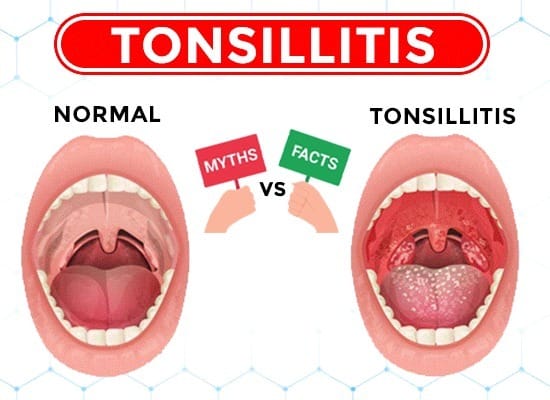
Tonsillitis Myths vs. Facts: Separating Truth from Fiction Tonsillitis is a frequent health issue that can impact individuals of any age, although it is more prevalent among children. This condition arises when the tonsils of two small tissues located at the back of the throat become inflamed, usually due to viral or bacterial infections. Unfortunately, several myths surrounding tonsillitis have led to widespread confusion and unnecessary anxiety. To help you differentiate between misconceptions and reality, the ENT specialist at Mukat Hospital shares key insights into this condition, its symptoms, causes, and treatment options. Myth 1: Tonsillitis Is Only a Childhood Illness Fact: While tonsillitis is more common in children, adults can also develop this condition. Children are more susceptible due to their developing immune systems, but tonsillitis can occur in adults, especially those frequently exposed to infections or with weakened immunity. Myth 2: Antibiotics Are Always Necessary to Treat Tonsillitis Fact: Not all cases of tonsillitis require antibiotics. The condition can be caused by viruses or bacteria. Viral tonsillitis, which is more common, typically resolves on its own with proper rest, hydration, and over-the-counter pain relievers. Antibiotics are prescribed only for bacterial infections like strep throat, which must be diagnosed by a healthcare professional. Myth 3: Surgery Is the Only Treatment for Tonsillitis Fact: Surgery, or tonsillectomy, is not the primary treatment for most cases of tonsillitis. It is generally recommended in specific situations, such as frequent recurring infections (e.g., more than seven episodes in a year), chronic tonsillitis, or complications like abscesses. Many cases respond well to medication, rest, and supportive care without the need for surgery. Myth 4: Tonsillitis Is Always Contagious Fact: The contagiousness of tonsillitis depends on its cause. Viral and bacterial tonsillitis can spread through respiratory droplets when an infected person coughs, sneezes, or shares utensils. Maintaining good hygiene practices, such as frequent handwashing and avoiding contact with infected individuals, can significantly reduce transmission risks. Myth 5: Tonsillitis Is a Minor Issue That Does Not Need Medical Attention Fact: Although mild cases may resolve without medical intervention, tonsillitis is not always a minor condition. If left untreated, severe or recurrent tonsillitis may lead to complications such as breathing difficulties, abscesses, or even kidney or heart problems. Seek medical advice if you experience high fever, severe throat pain, or difficulty swallowing. Myth 6: Tonsillitis Only Causes a Sore Throat Fact: Tonsillitis can cause a variety of symptoms beyond a sore throat. Common signs include swollen, red tonsils, white or yellow patches (indicating pus), hoarseness, swollen lymph nodes in the neck, ear pain, bad breath, fever, and general fatigue. In young children, symptoms may also include irritability, drooling, and loss of appetite. Myth 7: Tonsil Removal Weakens the Immune System Fact: The tonsils do play a role in filtering bacteria and viruses, but this function is more critical in early childhood. As a person grows, other parts of the immune system take over. Studies show that removing the tonsils in cases of chronic or recurrent tonsillitis does not weaken the body’s defenses against infections. Myth 8: Home Remedies Can Cure Severe Tonsillitis Fact: Home remedies may provide temporary relief for mild symptoms, but they cannot cure bacterial infections or severe tonsillitis. Remedies like warm saltwater gargles, throat lozenges, and herbal teas can ease discomfort, but persistent or severe symptoms require professional evaluation and treatment. Myth 9: Tonsillitis and Strep Throat Are the Same Fact: Although strep throat can cause tonsillitis, the two conditions are not identical. Strep throat is a specific bacterial infection caused by group A Streptococcus, while tonsillitis can be viral or bacterial. A throat swab test can distinguish between these causes, guiding the appropriate treatment plan. Myth 10: Tonsillitis Always Causes Severe Pain Fact: The level of discomfort caused by tonsillitis can vary. Some individuals may experience mild throat irritation, while others may have severe pain that affects their ability to eat, drink, or speak. The severity of symptoms depends on factors such as the type of infection and individual immune response. How to Prevent Tonsillitis Taking preventive measures can reduce your chances of developing tonsillitis. Here are some tips to protect yourself: Maintain Good Hygiene: Wash your hands regularly, especially after coughing, sneezing, or touching your face. Avoid Sharing Personal Items: Refrain from sharing utensils, cups, or toothbrushes. Boost Your Immune System: Follow a healthy lifestyle by eating a nutritious diet, exercising regularly, and getting adequate sleep. Stay Away from Sick Individuals: Avoid close contact with people who have symptoms of respiratory infections. Get Vaccinated: Vaccines, such as the flu shot, can help lower the risk of viral infections that may lead to tonsillitis. When to Consult a Doctor Mild tonsillitis can often be managed at home, but you should seek medical advice if you experience any of the following: Symptoms lasting more than a few days without improvement Severe throat pain or difficulty swallowing Persistent high fever Swollen lymph nodes in the neck Difficulty breathing Recurrent episodes of tonsillitis At Mukat Hospital, our ENT specialist offers comprehensive diagnosis and treatment for tonsillitis and other ear, nose, and throat conditions. We are committed to providing personalized care to help you and your family maintain optimal health and well-being. Surgical Treatment Options for Tonsillitis: When tonsillitis becomes chronic or causes recurrent infections, surgical treatment may be necessary. Mukat Hospital offers various advanced tonsillectomy techniques tailored to individual needs. These include: Cold Method Tonsillectomy: A traditional method that removes the tonsils using a scalpel without heat application. Coblation Tonsillectomy: A minimally invasive method that uses radiofrequency energy and saline to dissolve tonsil tissue with less pain and faster recovery. Electrocautery Tonsillectomy: This technique removes tonsils using heat from an electric current to minimize bleeding during surgery. Harmonic Scalpel Tonsillectomy: A modern approach that uses ultrasonic vibrations to cut and seal tissue simultaneously, reducing bleeding and enhancing precision. These surgical options aim to ensure effective treatment, faster healing,minimal post-operative discomfort for and intraoperative bleeding than conventional methods patients in. Conclusion Tonsillitis is a widespread condition
Kidney Stone Myths vs. Facts: What You Should Know

Kidney Stone Myths vs. Facts: What You Should Know Kidney stones are a common health issue that affects people across different age groups. Despite their prevalence, many misconceptions about kidney stones lead to confusion regarding their causes, symptoms, and treatment. At Mukat Hospital, we aim to provide accurate medical information to help individuals understand and manage kidney stones effectively. In this article, we will debunk some widespread myths and replace them with facts to ensure you have the right knowledge about kidney stones. Myth 1: Kidney Stones Only Affect Older Adults Fact: While kidney stones are more common in adults, they can develop in people of all ages, including teenagers and children. Factors such as dehydration, poor diet, and genetic predisposition can contribute to the formation of kidney stones at any stage of life. Myth 2: Drinking Less Water Prevents Kidney Stones Fact: Staying well-hydrated is crucial for preventing kidney stones. Drinking an adequate amount of water helps dilute minerals and salts in the urine, reducing the chances of stone formation. Dehydration leads to concentrated urine, increasing the risk of kidney stones. Myth 3: Calcium-Rich Foods Cause Kidney Stones Fact: Many people believe that consuming calcium-rich foods leads to kidney stones, but the opposite is true. Calcium from dietary sources helps bind oxalates in the intestines, preventing their absorption into the bloodstream and reducing the likelihood of stone formation. It is excessive calcium supplements, rather than dietary calcium, that may contribute to kidney stone risk. Myth 4: All Kidney Stones Are the Same Fact: Kidney stones can be composed of different substances, including calcium oxalate, calcium phosphate, uric acid, struvite, and cystine. Each type has different risk factors and requires specific management strategies. Myth 5: Kidney Stones Always Cause Severe Pain Fact: Not all kidney stones cause significant pain. Some small stones pass unnoticed, while others may stay in the kidneys without causing symptoms. However, larger stones that obstruct urine flow can result in intense pain, nausea, and blood in the urine. Myth 6: If You Get Kidney Stones Once, You Will Always Have Them Fact: Having one kidney stone does increase the likelihood of developing another, but recurrence is not inevitable. Making dietary and lifestyle changes, such as staying hydrated and reducing sodium intake, can significantly lower the risk of future stones. Myth 7: Home Remedies Can Dissolve Kidney Stones Completely Fact: Some natural remedies, such as lemon juice and apple cider vinegar, may support kidney health but cannot dissolve large kidney stones entirely. Medical evaluation and treatment, including medications or procedures like extracorporeal shock wave lithotripsy (ESWL), may be necessary for larger stones. Myth 8: Avoiding Oxalate-Rich Foods Completely Prevents Kidney Stones Fact: While oxalate-rich foods, such as spinach and nuts, can contribute to kidney stone formation, completely eliminating them is not recommended. Instead, consuming them in moderation and pairing them with calcium-rich foods can help balance oxalate absorption and reduce the risk of stones. Myth 9: Soda and Energy Drinks Directly Cause Kidney Stones Fact: Although excessive soda and energy drink consumption can contribute to dehydration and increase the risk of kidney stones, they are not the sole cause. Reducing intake of sugary and acidic beverages and opting for water is a healthier choice for kidney health. Myth 10: Surgery Is the Only Treatment for Kidney Stones Fact: Many kidney stones pass naturally with proper hydration and pain management. Minimally invasive procedures such as ESWL, ureteroscopy, and laser lithotripsy can be effective treatments for larger stones. Surgery is only required in severe cases. Tips for Preventing Kidney Stones To minimize your risk of kidney stones, follow these expert recommendations: Stay Hydrated: Drink at least 2-3 liters of water daily Maintain a Balanced Diet: Include calcium-rich foods and limit excessive oxalate and sodium intake. Reduce Salt and Sugar Consumption: High sodium and sugar levels increase the risk of kidney stone formation. Maintain a Healthy Weight: Obesity can be a contributing factor to kidney stone development. Regular Medical Check-Ups: If you have a history of kidney stones, consult a specialist for regular monitoring and preventive care. Conclusion Understanding the truth about kidney stones helps in taking preventive measures and making informed treatment decisions. At Mukat Hospital, our team of urologists and nephrologists provides expert guidance, diagnosis, and treatment for kidney stones. If you or a loved one is experiencing kidney stone symptoms, reach out to us for comprehensive care and support. Customer Health Location locationCreated with Sketch Beta. Facebook Twitter Youtube Linkedin Instagram
Gallstones: A Hidden Risk to Your Digestive Health
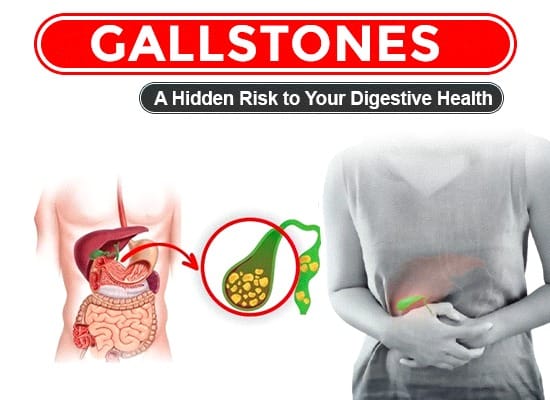
Gallstones: A Hidden Risk to Your Digestive Health Gallstones are a widespread yet frequently overlooked medical issue that can lead to severe digestive complications if not addressed in time. These small, solid particles form in the gallbladder and may result in intense pain, digestive discomfort, and even infections. Understanding the causes, symptoms, and treatment options is crucial for maintaining digestive well-being. If you or someone you know is experiencing symptoms, seeking timely care at Mukat Hospital, a gallbladder surgery hospital in Chandigarh, can prevent complications and ensure a swift recovery. What Are Gallstones? Gallstones are hardened deposits that form in the gallbladder due to an imbalance in bile composition. Bile is a digestive fluid produced by the liver and stored in the gallbladder, aiding in fat digestion. When the bile contains too much cholesterol, bilirubin, or lacks sufficient bile salts, gallstones may develop. These stones can range from tiny grains to larger formations that obstruct bile ducts, causing discomfort and serious digestive issues. Common Causes of Gallstones Several factors contribute to gallstone formation, including: Excessive Cholesterol in Bile: High cholesterol levels in bile can crystallize, leading to gallstone formation. Elevated Bilirubin Levels: Liver disease, blood disorders, or infections may increase bilirubin production, triggering gallstones. Inefficient Gallbladder Emptying: When the gallbladder does not empty completely, bile concentration increases, forming stones. Obesity: Being overweight raises cholesterol levels in bile, increasing the likelihood of gallstones. Rapid Weight Reduction: Losing weight too quickly can disturb bile composition, resulting in gallstone formation. Diabetes: High blood sugar levels can impair gallbladder function, heightening the risk of gallstones. Recognizing the Symptoms of Gallstones Many individuals with gallstones do not experience symptoms. However, if a gallstone blocks a bile duct, symptoms may include: Severe, sudden pain in the upper right abdomen Nausea and vomiting Bloating and digestive discomfort after meals Yellowing of the skin and eyes (jaundice) Dark urine and pale stools Fever and chills, which may indicate an infection If you notice these symptoms, consult a specialist at Mukat Hospital, a gallstone surgery hospital in Chandigarh, for an accurate diagnosis and treatment plan. Diagnosing Gallstones Physicians use various diagnostic tools to identify gallstones, including: Ultrasound Imaging: A safe and non-invasive test to detect gallstones. CT Scan or MRI: Advanced imaging techniques to check for bile duct obstructions. Blood Tests: To identify infections, liver dysfunction, or inflammation. HIDA Scan (Cholescintigraphy): A specialized test to evaluate gallbladder function and bile flow. Treatment Approaches for Gallstones The appropriate treatment depends on the size, number, and severity of the gallstones. Some effective treatment options include: 1. Lifestyle Modifications and Medication For mild cases, doctors may recommend: Reducing fatty and fried food intake Consuming a fiber-rich diet Maintaining a healthy weight Certain medications may help dissolve gallstones, but they are not always effective and do not prevent recurrence. 2. Minimally Invasive Gallbladder Surgery If gallstones cause severe symptoms, surgery is often the best treatment option. The most common procedure is laparoscopic cholecystectomy, a minimally invasive method to remove the gallbladder. Benefits of laparoscopic surgery include: Small incisions with minimal scarring Faster recovery Less post-operative pain Shorter hospital stay 3. Open Cholecystectomy For complex cases, including severe inflammation or large gallstones or in patients whose laparoscopic surgery, general anesthesia is not recommended or contraindicated, an open cholecystectomy may be necessary. This procedure involves a larger incision and requires a longer recovery time but is essential in complicated cases. Why Choose Mukat Hospital for Gallstone Surgery? Mukat Hospital is a premier gallbladder surgery hospital in Chandigarh, known for: Expert Surgeons: A highly experienced team specializing in gallbladder and digestive tract surgeries Advanced Laparoscopic Technology: Ensuring a smooth procedure with quicker recovery. Comprehensive Patient Care: From diagnosis to post-surgical care, we provide complete medical support. Affordable and High-Quality Treatment: Focused on delivering the best possible patient outcomes. Life After Gallbladder Removal Many patients wonder how life changes after gallbladder surgery. Fortunately, the digestive system adapts well, but a few adjustments help ensure a smooth transition: Eat small, frequent meals to facilitate digestion. Avoid greasy and high-fat foods to prevent discomfort especially in the initial 3-4 weeks of post surgery. Stay well-hydrated to support liver function. Maintain a balanced diet to promote overall digestive health. At Mukat Hospital, patients undergoing gallstone removal surgery Chandigarh receive comprehensive post-operative guidance to ensure a successful recovery. Conclusion Gallstones can lead to severe health complications if left untreated. If you experience persistent digestive discomfort or pain, consulting a specialist at Mukat Hospital, a gallbladder surgery hospital in Chandigarh, is crucial. Mukat Hospital provides top-quality gallstone surgery in Chandigarh, with advanced diagnostic and surgical facilities to ensure effective treatment and long-term relief. For expert consultation and treatment, reach out to Mukat Hospital today to restore your digestive health. Customer Health Location locationCreated with Sketch Beta. Facebook Twitter Youtube Linkedin Instagram
Piles During Pregnancy: Causes, Symptoms, and Treatment

Piles During Pregnancy: Causes, Symptoms, and Treatment Pregnancy is a transformative journey for every woman, bringing both joy and challenges. One common issue that many expecting mothers face is piles (hemorrhoids). These are swollen blood vessels in the rectal area that can lead to discomfort, itching, pain and bleeding. The condition is particularly prevalent during pregnancy due to increased pressure on the pelvic region and hormonal changes. While piles can be distressing, they are manageable with the right treatment and preventive measures. Causes of Piles During Pregnancy Piles occur when the veins in the rectal area become swollen and inflamed. Several factors contribute to this condition during pregnancy: Increased Pressure on the Pelvic Area – The growing uterus exerts pressure on the veins in the lower rectum, leading to swelling and the development of piles. Hormonal Changes – Pregnancy hormones, particularly progesterone, relax the walls of blood vessels, making them more prone to swelling. Constipation – Many pregnant women experience constipation due to hormonal shifts and iron supplements, which can lead to straining during bowel movements and the formation of piles. Increased Blood Volume – The body produces more blood during pregnancy to support fetal growth, which can cause veins to enlarge and contribute to hemorrhoids. Reduced Physical Activity – Limited mobility can slow down digestion and worsen constipation, further increasing the likelihood of developing piles. Straining During Delivery – Pushing during labor can create excessive pressure on the rectal veins, leading to or worsening existing piles. Symptoms of Piles During Pregnancy The symptoms of piles can vary from mild to severe and may include: Pain or discomfort – A dull or sharp pain in the anal region, especially while sitting or passing stools. Itching or irritation – An itchy sensation around the anus due to swollen veins. Bleeding – Small amounts of bright red blood on toilet paper or in the stool. Swelling and lumps – Swollen veins may form lumps near the anal opening. Mucus discharge – Some women may notice a slimy discharge from the anus. Feeling of incomplete evacuation – A sensation that the bowel movement is incomplete, leading to repeated straining. Treatment Options for Piles During Pregnancy Piles can be effectively managed with home remedies, lifestyle changes, and medical treatments. Here are some options: Home Remedies and Lifestyle Adjustments Increase Fiber Intake – Consuming fiber-rich foods such as fruits, vegetables, whole grains, and legumes helps soften stools and prevent constipation. Stay Hydrated – Drinking plenty of water (8-10 glasses per day) facilitates smoother bowel movements. Regular Exercise – Engaging in light activities like walking, prenatal yoga, and pelvic floor exercises improves blood circulation and digestion. Avoid Straining – Refraining from pushing too hard during bowel movements can help prevent worsening piles. Use a Sitz Bath – Sitting in warm water for 10-15 minutes provides relief from irritation and reduces swelling. Maintain Proper Hygiene – Keeping the anal area clean and dry helps prevent infections and irritation. Medical Treatments for Piles If home remedies do not provide relief, medical treatments may be necessary. Some safe options during pregnancy include: Topical Creams and Ointments – Doctor-prescribed hemorrhoid creams containing lidocaine can help reduce pain and inflammation. Stool Softeners – Medications such as lactulose or psyllium husk (Isabgol) may be recommended to ease bowel movements. Pain Relievers – Paracetamol (acetaminophen) may be prescribed to alleviate pain. Surgical Treatments for Severe Piles For cases where piles become large, extremely painful, have heavy bleeding or persist despite conservative treatments, surgical options may be recommended particularly in the second trimester relatively safe. Some common procedures include: Hemorrhoidectomy – A surgical procedure to remove severe hemorrhoids. It is typically reserved for cases with persistent bleeding and discomfort. Hemorrhoidopexy (Stapled Hemorrhoidectomy) – A minimally invasive procedure where the hemorrhoidal tissue is repositioned and stapled to reduce blood flow and shrink the piles. Laser Treatment – A modern approach using laser technology to shrink and seal hemorrhoidal tissue with minimal pain and quick recovery. Preventing Piles During Pregnancy Preventing piles is easier than treating them. Here are some effective preventive measures: Follow a High-Fiber Diet – Including fiber-rich foods ensures soft and regular stools. Stay Active – Light physical activities promote digestion and circulation. Avoid Prolonged Sitting or Standing – Changing positions frequently helps prevent excessive pressure on rectal veins. Practice Proper Toilet Habits – Responding to bowel urges promptly and avoiding straining can minimize the risk of piles. Do Kegel Exercises – Strengthening pelvic muscles improves bowel control and circulation. When to Consult a Doctor? While mild piles can be managed at home, medical attention is needed if: There is excessive bleeding. Piles become extremely painful or swollen. Symptoms persist despite home remedies. There is difficulty in passing stools or signs of infection. Conclusion Piles during pregnancy are a common but manageable condition. By maintaining a healthy lifestyle, practicing good hygiene, and seeking medical guidance when necessary, expecting mothers can reduce discomfort and prevent complications. Mukat Hospital offers expert care for piles treatment, ensuring safe and effective relief for pregnant women. If you are experiencing symptoms of piles, consult our specialists for personalized care and treatment options. Customer Health Location locationCreated with Sketch Beta. Facebook Twitter Youtube Linkedin Instagram


