


Heart Disease in women
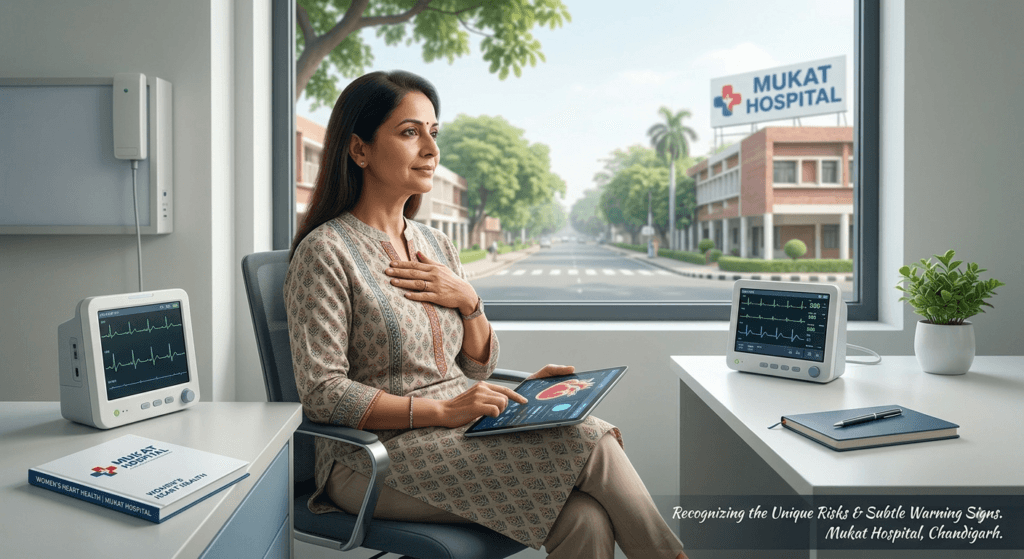
Heart Disease in Women: Recognizing the Unique Risks & Subtle Warning Signs When most people picture a heart attack, they imagine a sudden, crushing chest pain that knocks someone off their feet. However, medical research—and daily clinical experience—tells a very different story when it comes to women. Heart disease is the leading cause of death among women globally, yet women are significantly more likely than men to misinterpret their symptoms or delay seeking emergency medical care. At Mukat Hospital, Chandigarh, our Department of Cardiac Sciences sees many female patients who brushed off early warning signs as mere fatigue, acidity, or stress. Increasing awareness around women’s heart health can save lives. Here is what every woman—and her family—in the Tricity region (Chandigarh, Mohali, Panchkula) should know. Why Heart Disease Manifests Differently in Women Men and women have distinct cardiovascular systems and hormonal profiles. While men typically experience major arterial blockages in large coronary blood vessels, women are more prone to Coronary Microvascular Disease (CMD)—a condition affecting the heart’s tiny blood vessels. This key difference often results in symptoms that do not fit the classic “movie-style” heart attack profile, making diagnosis more complex without specialized cardiac screening. Take charge of your health. Book your heart health check-up at a trusted hospital in Chandigarh today. Call Now +91 9023884444 Customer Health Location locationCreated with Sketch Beta. Facebook Twitter Youtube Linkedin Instagram Classic vs. Subtle: Symptoms of Heart Attack in Females While chest discomfort remains a common indicator, women frequently experience atypical or subtle warning signs—often without severe chest pain. Uncommon & Subtle Symptoms to Watch Out For: Unusual or Extreme Fatigue: Feeling completely exhausted after routine daily activities, lasting for days or weeks. Shortness of Breath: Difficulty breathing while resting or during light physical activity, with or without chest tightness. Referred Pain: Pain, aching, or tightness spreading to the neck, jaw, throat, upper back, shoulders, or arms. Upper Abdominal Discomfort: Indigestion-like burning, nausea, vomiting, or stomach pressure (frequently mistaken for acidity/GERD). Cold Sweats & Lightheadedness: Sudden unexplained sweating, dizziness, or feeling faint. Sleep Disturbances & Anxiety: Unexplained restlessness, difficulty sleeping, or a sudden sense of impending doom. Crucial Tip: In women, heart symptoms can manifest while resting or sleeping, and are often triggered by emotional stress rather than physical exertion. If something feels “off,” do not hesitate to seek immediate medical assistance. Actionable Steps to Protect Your Heart: Women share standard risk factors with men—such as high blood pressure, high cholesterol, obesity, and smoking. However, certain conditions significantly elevate heart risk specifically in women: 1. Hormonal Changes & Menopause Estrogen provides a natural protective effect on blood vessel walls. As estrogen levels drop during and after menopause, the risk of developing coronary artery disease rises sharply. 2. Pregnancy Complications A history of preeclampsia (high blood pressure during pregnancy), gestational diabetes, or premature delivery increases a woman’s long-term risk of heart disease later in life. 3. Autoimmune Disorders Conditions like lupus and rheumatoid arthritis affect women far more frequently than men and cause chronic systemic inflammation, accelerating plaque buildup in the arteries. 4. Diabetes and Stress Diabetes increases the risk of heart disease more significantly in women than in men. Additionally, emotional stress, depression, and high anxiety levels have a stronger physiological impact on a woman’s cardiovascular system. Wondering about your risks? Schedule a personalized consultation at a leading brain tumor hospital in Chandigarh. Diagnostic Challenges: Why Early Screening Matters Because female symptoms are subtle and microvascular disease does not always show up on standard tests, specialized cardiac evaluation is essential. At Mukat Hospital, Chandigarh, our advanced cardiology clinic utilizes comprehensive diagnostic tools tailored for women’s heart care: Electrocardiogram (ECG) & Echocardiogram (ECHO): To monitor heart rhythm and structure. Treadmill Stress Testing (TMT): To assess how the heart performs under physical effort. High-Sensitivity Cardiac Blood Tests: Checking for specific biomarkers, lipid levels, and blood sugar control. Coronary Angiography & CT Angiogram: Providing detailed visual imaging of coronary arteries. Explore treatment options with confidence. Connect with the care team at Mukat Hospital, Chandigarh today. Unique Risk Factors for Women’s Heart Health: Prevention is the most effective approach to cardiovascular health. Women of all ages can take immediate steps to reduce their risk: Know Your Numbers: Monitor your blood pressure, blood sugar, lipid panel, and BMI regularly—especially after age 35 or post-menopause. Adopt a Heart-Healthy Diet: Focus on whole grains, leafy greens, lean proteins, nuts, and healthy fats while reducing sodium, refined sugars, and trans fats. Stay Active: Aim for at least 150 minutes of moderate aerobic exercise (like brisk walking, cycling, or swimming) per week. Manage Stress: Practice mindfulness, yoga, or deep breathing to mitigate the cardiovascular impact of chronic mental stress. Schedule Annual Cardiac Screenings: Routine preventive heart checkups can catch subtle warning signs before they escalate into emergencies. Take Control of Your Brain Health Today Take the first step toward a healthier life. Book an Appointment Today: Call us at 9023-88-4444 or visit the Mukat Hospital to schedule your consultation.


