


Umbilical Hernia Treatment – Mukat Hospital

Umbilical Hernia Treatment – Mukat Hospital An umbilical hernia happens when a part of the intestine omentum pushes through an opening in the abdominal muscles near the belly button (umbilicus). This condition is common, especially in infants, and is usually harmless. However, there are instances where it can lead to complications, necessitating medical attention. Mukat Hospital is well-equipped to provide comprehensive care for umbilical hernia patients, utilizing advanced medical technology and a team of experienced healthcare professionals. What is an Umbilical Hernia? An umbilical hernia appears as a bulge or swelling in the belly button area. It is particularly common in infants, especially those born prematurely. Typically, these hernias close on their own by the time the child is 1 to 2 years old. However, in some cases, an umbilical hernia can persist into adulthood or develop in adults due to various reasons such as: Obesity: Excess weight can place additional pressure on the abdominal area. Multiple Pregnancies: The abdominal muscles may weaken after several pregnancies. Chronic Cough: Persistent coughing can increase abdominal pressure. Heavy Lifting: Frequently lifting heavy objects can strain the abdominal muscles. Constipation: Straining during bowel movements increases pressure on the abdominal muscles. Previous Surgery History: Past surgeries can weaken the abdominal wall, making it more susceptible to hernias. Symptoms of Umbilical Hernia The primary indication of an umbilical hernia is a noticeable bulge near the belly button. Other symptoms might include: Pain or tenderness around the hernia site Swelling or discoloration of the skin around the belly button Vomiting (in severe cases) In infants, the bulge may become more visible when the baby cries, coughs, or strains. Diagnosis of Umbilical Hernia Diagnosing an umbilical hernia at Mukat Hospital involves a thorough physical examination by a healthcare professional. The doctor will look for a swelling near the belly button that can be / can’t be pushed back into the abdomen. Sometimes, imaging tests like an ultrasound or CT scan might be needed to get a clearer view of the hernia and its severity. Treatment Options at Mukat Hospital Mukat Hospital is known for its patient-focused approach and advanced treatment options. The treatment for an umbilical hernia depends on the size of the hernia, the symptoms, and the patient’s age. Surgical Treatment If the hernia persists beyond 2-3 years of age in children, becomes painful, or causes complications such as obstruction or strangulation, surgery is recommended. In adults, surgery is usually advised as umbilical hernias are less likely to heal on their own and have a higher risk of complications. Hernioplasty (Hernia Repair) – In most of the cases, it’s being done by minimal invasive technique or by laparoscopy. The standard procedure for treating an umbilical hernia is hernioplasty. This surgery involves: Preparation: The patient undergoes preoperative assessments to ensure they are fit for surgery. Anesthesia: General or regional anesthesia is administered, depending on the patient’s age and health condition. Incision: A small incision is made near the hernia site. Repair: The protruding tissue is gently pushed back into the abdominal cavity. The opening in the abdominal wall is then stitched closed. A synthetic mesh is used to reinforce the area and prevent recurrence. Closure: The incision is closed with sutures or surgical glue. Only one or two day hospital stay is required. Postoperative Care and Recovery Postoperative care is essential for a smooth recovery. At Mukat Hospital, the medical team provides detailed guidelines for post-surgery care, which include: Pain Management: Pain relief medications are prescribed to manage discomfort. Wound Care: Keeping the incision site clean and dry is crucial to prevent infections. Activity Restrictions: Patients are advised to avoid strenuous activities and heavy lifting for a few weeks. Follow-Up Appointments: Regular follow-up visits ensure proper healing and early detection of any complications. Laparoscopic hernia surgery offers very minimal pain, minimal hospital stay, early return to day to day activities and lesser chance of postoperative complications (seroma / recurrence). Most patients recover within a few weeks, although individual recovery times can vary. Why Choose Mukat Hospital for Umbilical Hernia Treatment? Mukat Hospital is recognized for its excellence in healthcare, providing numerous benefits for patients seeking treatment for umbilical hernia: Experienced Surgeons: The hospital has a team of highly skilled and experienced surgeons specializing in hernia repairs. Advanced Technology: Mukat Hospital is equipped with cutting-edge medical technology, ensuring precise and effective treatments. Comprehensive Care: The hospital offers holistic and personalized care from diagnosis to postoperative care. Patient-Centric Approach: The well-being and comfort of patients are prioritized, with compassionate care provided at every stage. Affordable Treatment: Mukat Hospital offers quality healthcare services at competitive prices, making it accessible to a wide range of patients. Conclusion: Umbilical hernias, while common, should not be ignored, especially if symptoms worsen or complications arise. Mukat Hospital offers top-notch treatment options, combining medical expertise with compassionate care to ensure the best outcomes for patients. If you or a loved one is dealing with an umbilical hernia, consider Mukat Hospital for a trusted and effective solution. Customer Health Location locationCreated with Sketch Beta. Facebook Twitter Youtube Linkedin Instagram
Understanding Inguinal Hernia and the Importance of Surgery: A Comprehensive Guide from Mukat Hospital, Chandigarh

Understanding Inguinal Hernia and the Importance of Surgery: A Comprehensive …
Understanding Hernia: What it is, Symptoms, Types, Causes & Treatment
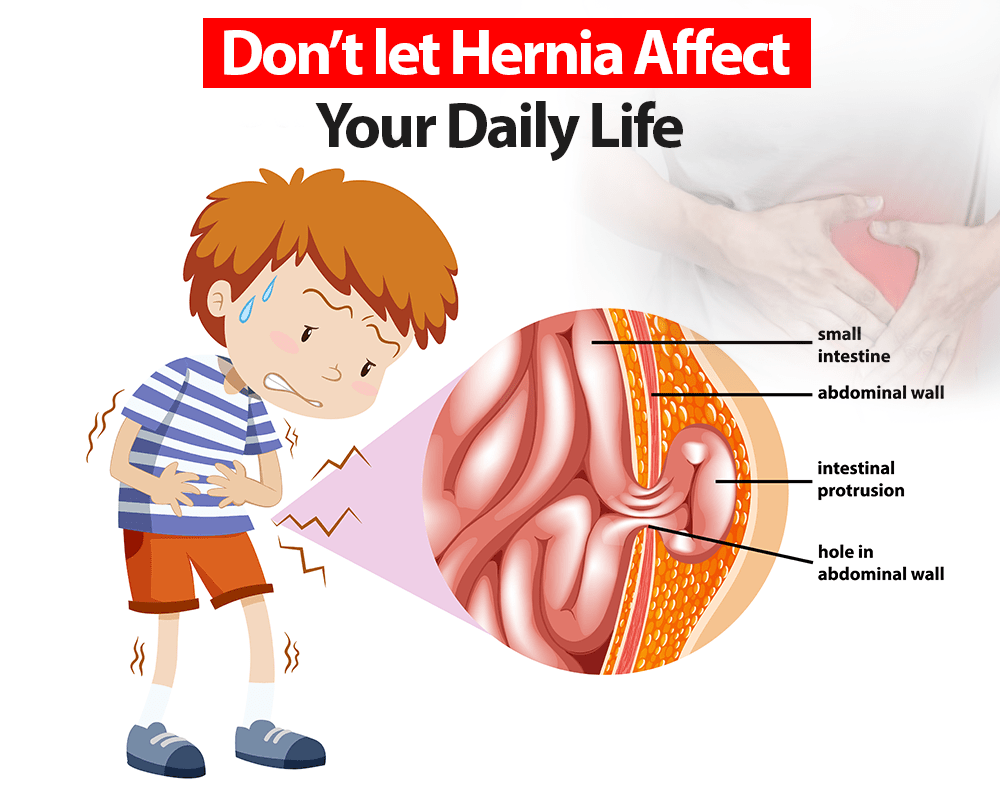
Understanding Hernia: What it is, Symptoms, Types, Causes & Treatment Are you experiencing unexplained pain or discomfort in your lower abdomen? It could be a hernia, a condition that affects millions of people worldwide. Understanding hernias is crucial to seek timely medical intervention and ease your discomfort. In this comprehensive guide, we will explore the symptoms, types, causes, and treatment options for hernias. Understanding the Anatomy of a Hernia To truly comprehend the nature of a hernia, it is important to first understand the anatomy of the condition. A hernia occurs when an organ or tissue pushes through a weak spot in the surrounding muscle or connective tissue. This can happen in various parts of the body, such as the abdomen, groin, or diaphragm. Hernias can cause a visible bulge or lump, which may be more noticeable when standing or straining. They can also cause pain or discomfort, especially when lifting heavy objects or during physical activity. Common Types of Hernias Hernias can occur in different areas of the body, each with its own distinct characteristics and symptoms. The most common types of hernias include inguinal, femoral, umbilical, and hiatal hernias.Inguinal Hernia: This is the most common type of hernia and affects the groin area. It occurs when the intestines and omentum push through a weak spot in the inguinal canal, which is located in the lower abdomen near the groin crease. Inguinal hernias are more common in men and can cause a visible bulge or lump in the groin area.Femoral hernias: are a type of hernia that occur in the groin area, specifically through the femoral canal. They are more common in women than in men and typically present as a bulge or lump in the upper thigh or groin region.Umbilical Hernia: This type of hernia occurs when part of the intestine or fatty tissue protrudes through a weak spot in the abdominal muscles near the belly button. Umbilical hernias are more common in infants and pregnant women, but can also affect adults. They can cause a visible bulge or lump around the belly button.Diaphragmatic Hernia: Diaphragmatic hernias are different from the previous types mentioned, as they occur in the upper part of the abdomen. It happens when the stomach or abdominal content pushes through the diaphragm into the chest cavity. Diaphragmatic hernias can cause symptoms such as heartburn, chest pain, and difficulty respiration. Understanding the different types of hernias is crucial for accurate diagnosis and appropriate treatment. Causes and Risk Factors for Hernias Hernias can develop due to a combination of factors, including both genetic predisposition and lifestyle choices. Some of the common causes and risk factors for hernias include:Muscle Weakness: Weakness in the muscles can be a significant contributing factor to the development of hernias. This weakness can be present from birth or acquired over time due to aging, injury, or repetitive strain on the muscles.Heavy Lifting and Straining: Engaging in activities that involve heavy lifting or putting excessive strain on the abdominal muscles can increase the risk of developing a hernia. This is especially true if proper lifting techniques are not followed.Excessive straining during variation in case of BPH (PROSTATE SIZE)Chronic Coughing or Sneezing: Conditions that cause chronic coughing or sneezing, such as chronic obstructive pulmonary disease (COPD) or allergies, can put strain on the abdominal muscles and increase the risk of hernia development.Obesity: Excess body weight can put additional pressure on the abdominal muscles, making them more prone to weakness and hernia formation.Pregnancy: Pregnancy can lead to weakened abdominal muscles and increased pressure on the abdomen, making pregnant women more susceptible to developing hernias, particularly umbilical hernias.Understanding the causes and risk factors associated with hernias can help individuals make informed lifestyle choices and take necessary precautions to prevent their occurrence. Signs and Symptoms of a Hernia Identifying the symptoms of a hernia is crucial for prompt diagnosis and appropriate medical intervention. While the specific symptoms may vary depending on the type of hernia, some common signs to look out for include:Visible Bulge or Lump: The most prominent symptom of a hernia is the appearance of a visible bulge or lump in the affected area. This bulge may become more noticeable when standing, coughing, or straining.Pain or Discomfort: Hernias can cause varying degrees of pain or discomfort, ranging from mild to severe. The pain may worsen with physical activity, lifting, or bending over.Aching or Burning Sensation: Some individuals with hernias may experience aching or burning sensations in the affected area, which can be exacerbated by certain movements or activities.Feeling of Pressure or Fullness: Hernias can create a sensation of pressure or fullness in the affected area, leading to overall discomfort.Difficulty with Bowel Movements: In some cases, hernias can cause changes in bowel movements, such as constipation or difficulty passing stool.If you experience any of these symptoms, it is important to consult a healthcare professional for an accurate diagnosis and appropriate treatment. Diagnosing a Hernia Diagnosing a hernia typically involves a physical examination by a healthcare professional. During the examination, the doctor may ask about your symptoms, medical history, and perform a physical assessment of the affected area. In some cases, additional diagnostic tests may be required to confirm the presence of a hernia or assess its severity.Physical Examination: During the physical examination, the doctor may look for visible bulges or lumps in the affected area and apply gentle pressure to check for any discomfort or pain.Imaging Tests: In some cases, imaging tests such as ultrasound, X-ray, or CT scan may be ordered to provide a detailed view of the affected area and help confirm the presence of a hernia.Endoscopy: If a hiatal hernia is suspected, an endoscopy may be performed to visualize the esophagus and stomach and assess the extent of the hernia. Accurate diagnosis is essential to determine the appropriate treatment plan for a hernia. Surgical Procedures for Hernia Repair If surgical intervention is necessary, there are different surgical procedures available for hernia repair. The choice of procedure will depend on various factors, including
Trusted Hernia Specialist in Chandigarh
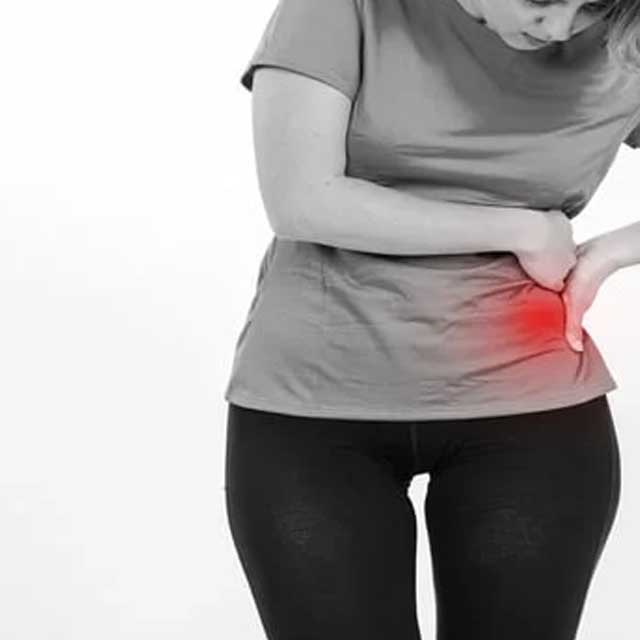
Trusted Hernia Specialist in Chandigarh Living with a hernia can be a challenging and uncomfortable experience. Therefore, it is crucial to seek specialized medical attention from a reputable hernia specialist to ensure accurate diagnosis and effective treatment options. In Chandigarh, Mukat Hospital stands out as a leading healthcare institution that offers expert hernia care. With a team of highly skilled hernia specialists and state-of-the-art facilities, Our Hospital is dedicated to providing comprehensive care to patients suffering from hernias. Diagnosing Hernias Hernias can manifest in various forms, including inguinal, femoral, umbilical, hiatal, or incisional, recurrent hernias. Here the hernia specialists possess the expertise required to accurately identify the type of hernia and determine the most suitable treatment plan. They excel in providing precise diagnoses through physical examinations, thorough evaluations of medical history, and advanced diagnostic technologies. Advanced Surgical Techniques Our hernia specialists are highly proficient in minimally invasive techniques, such as laparoscopic surgery and having vast experience and fellowships of doing Hernia surgery. These approaches involve smaller incisions, resulting in reduced post-operative pain, quicker recovery times, and minimal scarring. The skilled surgeons utilize these cutting-edge techniques to perform hernia repairs with precision and utmost care, leading to enhanced patient outcomes. Individualized Treatment Plans Recognizing that each patient’s hernia condition is unique, we emphasize personalized treatment plans. The specialists at the hospital collaborate closely with patients, engaging in thorough discussions about available treatment options, their respective benefits, and potential risks. By fostering open communication and involving patients in the decision-making process, At our Hospital we ensure that each individual receives the most suitable treatment approach tailored to their specific needs. Comprehensive Pre and Post-Operative Care Mukat Hospital goes beyond surgical intervention by offering comprehensive pre- and post-operative care to ensure optimal outcomes. Prior to surgery, patients receive detailed instructions and guidance regarding the preparation process. After surgery, the hospital’s dedicated medical staff provides thorough follow-up care, monitoring patients’ recovery progress and addressing any concerns or complications that may arise. This holistic approach exemplifies our commitment to the overall well-being of their patients. Patient-Centric Approach The hospital prioritizes patient comfort, safety, and satisfaction throughout the treatment journey. The entire medical team, including surgeons, nurses, and support staff, is known for their compassionate and empathetic care. Patients can rely on us for a supportive and friendly environment, ensuring peace of mind during their hernia treatment and recovery. Conclusion For those in Chandigarh seeking specialized care for hernias, Mukat Hospital is the premier choice. If you’re seeking a hernia specialist in Chandigarh, look no further than Mukat Hospital. Trust us for reliable and comprehensive hernia care in Chandigarh. Visit Mukat Hospital today. With highly skilled specialists, advanced surgical techniques, individualized treatment plans, and comprehensive care, Mukat Hospital is committed to delivering exceptional healthcare services. Contact Mukat Hospital today for a consultation with their experienced hernia specialists. locationCreated with Sketch Beta. Facebook Twitter Youtube Linkedin Instagram


