

Gallstones: A Hidden Risk to Your Digestive Health
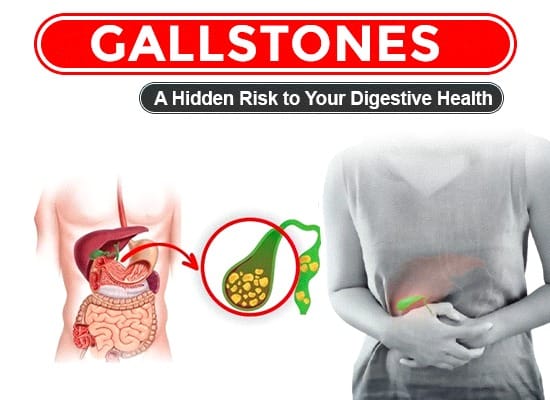
Gallstones: A Hidden Risk to Your Digestive Health Gallstones are a widespread yet frequently overlooked medical issue that can lead to severe digestive complications if not addressed in time. These small, solid particles form in the gallbladder and may result in intense pain, digestive discomfort, and even infections. Understanding the causes, symptoms, and treatment options is crucial for maintaining digestive well-being. If you or someone you know is experiencing symptoms, seeking timely care at Mukat Hospital, a gallbladder surgery hospital in Chandigarh, can prevent complications and ensure a swift recovery. What Are Gallstones? Gallstones are hardened deposits that form in the gallbladder due to an imbalance in bile composition. Bile is a digestive fluid produced by the liver and stored in the gallbladder, aiding in fat digestion. When the bile contains too much cholesterol, bilirubin, or lacks sufficient bile salts, gallstones may develop. These stones can range from tiny grains to larger formations that obstruct bile ducts, causing discomfort and serious digestive issues. Common Causes of Gallstones Several factors contribute to gallstone formation, including: Excessive Cholesterol in Bile: High cholesterol levels in bile can crystallize, leading to gallstone formation. Elevated Bilirubin Levels: Liver disease, blood disorders, or infections may increase bilirubin production, triggering gallstones. Inefficient Gallbladder Emptying: When the gallbladder does not empty completely, bile concentration increases, forming stones. Obesity: Being overweight raises cholesterol levels in bile, increasing the likelihood of gallstones. Rapid Weight Reduction: Losing weight too quickly can disturb bile composition, resulting in gallstone formation. Diabetes: High blood sugar levels can impair gallbladder function, heightening the risk of gallstones. Recognizing the Symptoms of Gallstones Many individuals with gallstones do not experience symptoms. However, if a gallstone blocks a bile duct, symptoms may include: Severe, sudden pain in the upper right abdomen Nausea and vomiting Bloating and digestive discomfort after meals Yellowing of the skin and eyes (jaundice) Dark urine and pale stools Fever and chills, which may indicate an infection If you notice these symptoms, consult a specialist at Mukat Hospital, a gallstone surgery hospital in Chandigarh, for an accurate diagnosis and treatment plan. Diagnosing Gallstones Physicians use various diagnostic tools to identify gallstones, including: Ultrasound Imaging: A safe and non-invasive test to detect gallstones. CT Scan or MRI: Advanced imaging techniques to check for bile duct obstructions. Blood Tests: To identify infections, liver dysfunction, or inflammation. HIDA Scan (Cholescintigraphy): A specialized test to evaluate gallbladder function and bile flow. Treatment Approaches for Gallstones The appropriate treatment depends on the size, number, and severity of the gallstones. Some effective treatment options include: 1. Lifestyle Modifications and Medication For mild cases, doctors may recommend: Reducing fatty and fried food intake Consuming a fiber-rich diet Maintaining a healthy weight Certain medications may help dissolve gallstones, but they are not always effective and do not prevent recurrence. 2. Minimally Invasive Gallbladder Surgery If gallstones cause severe symptoms, surgery is often the best treatment option. The most common procedure is laparoscopic cholecystectomy, a minimally invasive method to remove the gallbladder. Benefits of laparoscopic surgery include: Small incisions with minimal scarring Faster recovery Less post-operative pain Shorter hospital stay 3. Open Cholecystectomy For complex cases, including severe inflammation or large gallstones or in patients whose laparoscopic surgery, general anesthesia is not recommended or contraindicated, an open cholecystectomy may be necessary. This procedure involves a larger incision and requires a longer recovery time but is essential in complicated cases. Why Choose Mukat Hospital for Gallstone Surgery? Mukat Hospital is a premier gallbladder surgery hospital in Chandigarh, known for: Expert Surgeons: A highly experienced team specializing in gallbladder and digestive tract surgeries Advanced Laparoscopic Technology: Ensuring a smooth procedure with quicker recovery. Comprehensive Patient Care: From diagnosis to post-surgical care, we provide complete medical support. Affordable and High-Quality Treatment: Focused on delivering the best possible patient outcomes. Life After Gallbladder Removal Many patients wonder how life changes after gallbladder surgery. Fortunately, the digestive system adapts well, but a few adjustments help ensure a smooth transition: Eat small, frequent meals to facilitate digestion. Avoid greasy and high-fat foods to prevent discomfort especially in the initial 3-4 weeks of post surgery. Stay well-hydrated to support liver function. Maintain a balanced diet to promote overall digestive health. At Mukat Hospital, patients undergoing gallstone removal surgery Chandigarh receive comprehensive post-operative guidance to ensure a successful recovery. Conclusion Gallstones can lead to severe health complications if left untreated. If you experience persistent digestive discomfort or pain, consulting a specialist at Mukat Hospital, a gallbladder surgery hospital in Chandigarh, is crucial. Mukat Hospital provides top-quality gallstone surgery in Chandigarh, with advanced diagnostic and surgical facilities to ensure effective treatment and long-term relief. For expert consultation and treatment, reach out to Mukat Hospital today to restore your digestive health. Customer Health Location locationCreated with Sketch Beta. Facebook Twitter Youtube Linkedin Instagram
Mukat Hospital: Your Premier Destination for Gallstone Treatment in Chandigarh
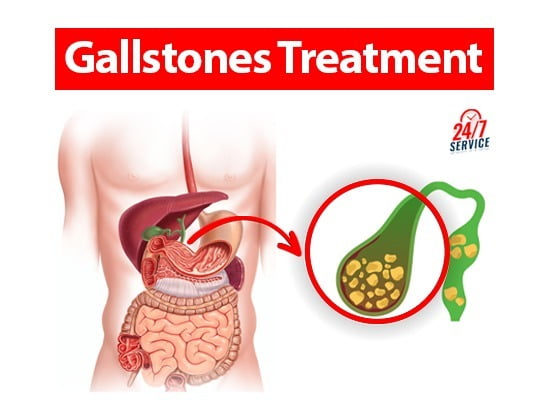
Mukat Hospital: Your Premier Destination for Gallstone Treatment in Chandigarh Are you experiencing persistent upper abdominal …


