


Tonsillitis Myths vs. Facts: Separating Truth from Fiction
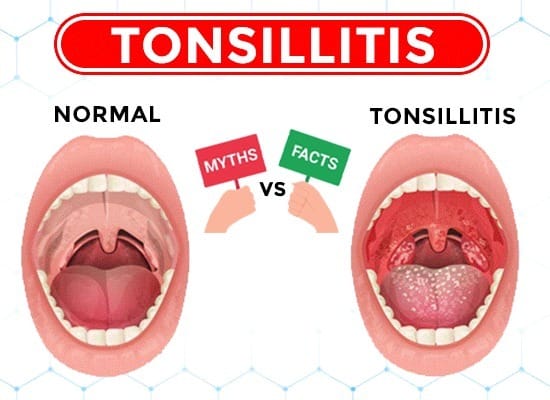
Tonsillitis Myths vs. Facts: Separating Truth from Fiction Tonsillitis is a frequent health issue that can impact individuals of any age, although it is more prevalent among children. This condition arises when the tonsils of two small tissues located at the back of the throat become inflamed, usually due to viral or bacterial infections. Unfortunately, several myths surrounding tonsillitis have led to widespread confusion and unnecessary anxiety. To help you differentiate between misconceptions and reality, the ENT specialist at Mukat Hospital shares key insights into this condition, its symptoms, causes, and treatment options. Myth 1: Tonsillitis Is Only a Childhood Illness Fact: While tonsillitis is more common in children, adults can also develop this condition. Children are more susceptible due to their developing immune systems, but tonsillitis can occur in adults, especially those frequently exposed to infections or with weakened immunity. Myth 2: Antibiotics Are Always Necessary to Treat Tonsillitis Fact: Not all cases of tonsillitis require antibiotics. The condition can be caused by viruses or bacteria. Viral tonsillitis, which is more common, typically resolves on its own with proper rest, hydration, and over-the-counter pain relievers. Antibiotics are prescribed only for bacterial infections like strep throat, which must be diagnosed by a healthcare professional. Myth 3: Surgery Is the Only Treatment for Tonsillitis Fact: Surgery, or tonsillectomy, is not the primary treatment for most cases of tonsillitis. It is generally recommended in specific situations, such as frequent recurring infections (e.g., more than seven episodes in a year), chronic tonsillitis, or complications like abscesses. Many cases respond well to medication, rest, and supportive care without the need for surgery. Myth 4: Tonsillitis Is Always Contagious Fact: The contagiousness of tonsillitis depends on its cause. Viral and bacterial tonsillitis can spread through respiratory droplets when an infected person coughs, sneezes, or shares utensils. Maintaining good hygiene practices, such as frequent handwashing and avoiding contact with infected individuals, can significantly reduce transmission risks. Myth 5: Tonsillitis Is a Minor Issue That Does Not Need Medical Attention Fact: Although mild cases may resolve without medical intervention, tonsillitis is not always a minor condition. If left untreated, severe or recurrent tonsillitis may lead to complications such as breathing difficulties, abscesses, or even kidney or heart problems. Seek medical advice if you experience high fever, severe throat pain, or difficulty swallowing. Myth 6: Tonsillitis Only Causes a Sore Throat Fact: Tonsillitis can cause a variety of symptoms beyond a sore throat. Common signs include swollen, red tonsils, white or yellow patches (indicating pus), hoarseness, swollen lymph nodes in the neck, ear pain, bad breath, fever, and general fatigue. In young children, symptoms may also include irritability, drooling, and loss of appetite. Myth 7: Tonsil Removal Weakens the Immune System Fact: The tonsils do play a role in filtering bacteria and viruses, but this function is more critical in early childhood. As a person grows, other parts of the immune system take over. Studies show that removing the tonsils in cases of chronic or recurrent tonsillitis does not weaken the body’s defenses against infections. Myth 8: Home Remedies Can Cure Severe Tonsillitis Fact: Home remedies may provide temporary relief for mild symptoms, but they cannot cure bacterial infections or severe tonsillitis. Remedies like warm saltwater gargles, throat lozenges, and herbal teas can ease discomfort, but persistent or severe symptoms require professional evaluation and treatment. Myth 9: Tonsillitis and Strep Throat Are the Same Fact: Although strep throat can cause tonsillitis, the two conditions are not identical. Strep throat is a specific bacterial infection caused by group A Streptococcus, while tonsillitis can be viral or bacterial. A throat swab test can distinguish between these causes, guiding the appropriate treatment plan. Myth 10: Tonsillitis Always Causes Severe Pain Fact: The level of discomfort caused by tonsillitis can vary. Some individuals may experience mild throat irritation, while others may have severe pain that affects their ability to eat, drink, or speak. The severity of symptoms depends on factors such as the type of infection and individual immune response. How to Prevent Tonsillitis Taking preventive measures can reduce your chances of developing tonsillitis. Here are some tips to protect yourself: Maintain Good Hygiene: Wash your hands regularly, especially after coughing, sneezing, or touching your face. Avoid Sharing Personal Items: Refrain from sharing utensils, cups, or toothbrushes. Boost Your Immune System: Follow a healthy lifestyle by eating a nutritious diet, exercising regularly, and getting adequate sleep. Stay Away from Sick Individuals: Avoid close contact with people who have symptoms of respiratory infections. Get Vaccinated: Vaccines, such as the flu shot, can help lower the risk of viral infections that may lead to tonsillitis. When to Consult a Doctor Mild tonsillitis can often be managed at home, but you should seek medical advice if you experience any of the following: Symptoms lasting more than a few days without improvement Severe throat pain or difficulty swallowing Persistent high fever Swollen lymph nodes in the neck Difficulty breathing Recurrent episodes of tonsillitis At Mukat Hospital, our ENT specialist offers comprehensive diagnosis and treatment for tonsillitis and other ear, nose, and throat conditions. We are committed to providing personalized care to help you and your family maintain optimal health and well-being. Surgical Treatment Options for Tonsillitis: When tonsillitis becomes chronic or causes recurrent infections, surgical treatment may be necessary. Mukat Hospital offers various advanced tonsillectomy techniques tailored to individual needs. These include: Cold Method Tonsillectomy: A traditional method that removes the tonsils using a scalpel without heat application. Coblation Tonsillectomy: A minimally invasive method that uses radiofrequency energy and saline to dissolve tonsil tissue with less pain and faster recovery. Electrocautery Tonsillectomy: This technique removes tonsils using heat from an electric current to minimize bleeding during surgery. Harmonic Scalpel Tonsillectomy: A modern approach that uses ultrasonic vibrations to cut and seal tissue simultaneously, reducing bleeding and enhancing precision. These surgical options aim to ensure effective treatment, faster healing,minimal post-operative discomfort for and intraoperative bleeding than conventional methods patients in. Conclusion Tonsillitis is a widespread condition


