


Stay Healthy This Winter

Stay Healthy This Winter: Practical Tips for Cold Weather Wellness Winter brings a season of joy and celebrations, but it also comes with unique health challenges. From battling colds to managing dry skin, staying healthy during the colder months requires some extra care. By incorporating a few simple habits into your daily routine, you can keep yourself and your loved ones in top form throughout the season. Here are some practical tips from Mukat Hospital to help you stay well this winter. 1. Keep Yourself Hydrated It’s easy to overlook hydration during the winter months, but your body needs water just as much as it does in the summer. Dehydration can lead to fatigue and dry skin, so make sure to drink plenty of fluids. Warm drinks like herbal teas and soups are excellent ways to stay hydrated and cozy. Quick Tip: Regularly sip on water or warm fluids, even if you don’t feel thirsty. Add hydrating foods such as oranges and cucumbers to your diet. 2. Eat a Balanced, Seasonal Diet Fueling your body with nutritious food is essential to staying healthy. Seasonal fruits and vegetables such as citrus fruits, carrots, and spinach are rich in vitamins that boost your immune system. Adding warming spices like ginger and turmeric to your meals can help fend off winter illnesses. Quick Tip: Incorporate home-cooked meals using fresh ingredients to avoid processed foods. Aim for a variety of colors on your plate for a nutrient-rich diet. 3. Layer Up to Stay Warm Protect yourself from the cold by dressing in layers. Start with a thermal base layer, add insulating materials like fleece, and top it off with a waterproof jacket. Don’t forget to keep your hands, feet, and head covered to preserve body heat. Quick Tip: Always keep an extra pair of gloves or socks handy in case of unexpected weather changes. 4. Stay Active and Energized Exercise plays a vital role in keeping you healthy during winter. Regular physical activity improves blood circulation, enhances mood, and strengthens immunity. Whether it’s a brisk walk, yoga, or a home workout, find something you enjoy and stick to it. Quick Tip: Try to exercise during daylight hours to benefit from natural sunlight and lift your spirits. 5. Take Care of Your Skin Cold weather can dry out your skin, leading to irritation. Use a gentle moisturizer daily, especially after showers, to lock in hydration. Avoid long, hot showers that can strip your skin of natural oils. Quick Tip: Use a humidifier indoors to add moisture to the air and prevent your skin from becoming excessively dry. 6. Prioritize Mental Well-being The shorter days and reduced sunlight during winter can affect your mood. Combat this by spending time outdoors in daylight, maintaining regular social interactions, and engaging in hobbies you enjoy. Techniques like meditation can also help reduce stress. Quick Tip: If sunlight is scarce, consider using a light therapy lamp to boost your mood and energy levels. 7. Prevent Common Winter Illnesses Colds and flu are prevalent during winter, but you can minimize your risk by taking precautions. Wash your hands frequently, avoid touching your face, and maintain a healthy diet. Staying up-to-date on flu vaccinations is also highly recommended. Quick Tip: Carry a hand sanitizer for times when soap and water are not available. Keep high-touch surfaces at home clean and disinfected. 8. Listen to Your Body Pay attention to any signs of discomfort or illness. If you experience persistent symptoms like fatigue, breathlessness, or aches, seek medical attention promptly. Mukat Hospital’s experienced healthcare professionals are here to help you with any concerns. By following these practical tips, you can make the most of the winter season while staying healthy and active. Mukat Hospital is dedicated to your health and well-being, offering expert care and guidance whenever you need it. Stay warm, stay healthy, and enjoy the best of winter! Customer Health Location locationCreated with Sketch Beta. Facebook Twitter Youtube Linkedin Instagram
Prostate Health: Essential for Men’s Overall Well-being
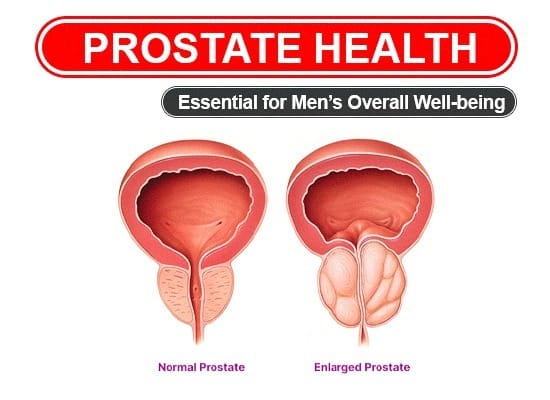
Prostate Health: Essential for Men’s Overall Well-being The prostate gland plays a critical role in male reproductive health, yet discussions about its care are often overlooked. Positioned just beneath the bladder and in front of the rectum, this small, walnut-shaped gland produces seminal fluid, a key component of sperm transport. As men age, the prostate can undergo changes that may impact overall health.Maintaining a healthy prostate is crucial for avoiding common issues such as benign growths, infections, and even cancer. This article explores prostate health, common conditions, symptoms to look out for, and steps to ensure its proper care. Why Prostate Health Should Be a Priority The prostate’s role in reproduction and urinary function makes it an essential part of the male anatomy. Over time, the gland can develop conditions that affect a man’s quality of life. Three major prostate-related issues include: Benign Prostatic Hyperplasia (BPH): A non-cancerous enlargement of the prostate that can obstruct the flow of urine, leading to frequent urination and other urinary issues. Prostatitis: An inflammation of the prostate, often caused by infection. It can result in discomfort, urinary problems, and sometimes fever. Prostate Cancer: This is among the most common cancers in men. Early detection is critical for successful treatment outcomes Common Symptoms of Prostate Problems Prostate issues can manifest in various ways. Men should monitor their health and consult a doctor if they notice: Difficulty starting or stopping urination. Increased frequency of urination, particularly at night. Weak or interrupted urine flow. Painful or burning urination. Persistent pelvic or lower back pain. Blood in urine or semen. These symptoms may indicate a prostate issue requiring medical attention. Steps to Maintain Prostate Health Taking a proactive approach to prostate care can help reduce the risk of complications. Here’s how men can support their prostate health: 1. Adopt a Healthy DietEating nutritious foods supports overall health, including the prostate. Consider including the following in your diet: Tomatoes: A rich source of lycopene, an antioxidant that supports prostate health. Cruciferous Vegetables: Vegetables like broccoli and cabbage contain compounds that may lower cancer risk. Fatty Fish: Omega-3 fatty acids in fish like salmon help reduce inflammation. Nuts and Seeds: High in zinc, a mineral essential for maintaining prostate function. Fruits and Vegetables: A diet rich in fresh fruit and vegetables is very beneficial for prostate health. 2. Exercise RegularlyStaying active helps maintain a healthy weight, improve circulation, and reduce stress—all factors that benefit prostate health. Activities such as brisk walking, swimming, or yoga can be particularly effective. 3. Limit Smoking and Alcohol ConsumptionBoth smoking and excessive alcohol intake can negatively affect prostate and overall health. Cutting back can significantly lower your risk of developing serious conditions. 4. Stay HydratedProper hydration is vital for urinary tract health and supports the smooth functioning of the prostate. 5. Schedule Regular ScreeningsMen over 50 should consider routine prostate screenings, including PSA (Prostate-Specific Antigen) tests and digital rectal exams (DRE). If there is a family history of prostate issues, screenings should begin earlier, around 40 or 45. Advanced Prostate Care at Mukat Hospital Mukat Hospital offers comprehensive care for all prostate-related conditions. Our team of specialists utilize advanced diagnostic tools and cutting-edge treatments to manage conditions like BPH, prostatitis, and prostate cancer. Whether it’s preventive care or tailored treatment plans, we are dedicated to helping men lead healthier lives. Our hospital also emphasizes awareness and education to empower men to take charge of their health. Regular check-ups and early detection are the cornerstones of effective prostate care. Take Action for a Healthier Prostate Prostate health is a key component of overall wellness. Simple lifestyle changes, combined with timely medical consultations, can go a long way in preventing serious health issues. If you’re experiencing symptoms or need guidance on maintaining a healthy prostate, the expert team at Mukat Hospital is here to help.Don’t wait—schedule your consultation today and prioritize your health. For more information or to book an appointment, contact Mukat Hospital at +91 9023-88-4444. Customer Health Location locationCreated with Sketch Beta. Facebook Twitter Youtube Linkedin Instagram
Signs and Symptoms of Vitamin D Deficiency: A Guide to Better Health

Signs and Symptoms of Vitamin D Deficiency: A Guide to Better Health Vitamin D, often referred to as the “sunshine vitamin,” is essential for maintaining strong bones, supporting the immune system, and ensuring proper muscle and nerve function. Despite its significance, vitamin D deficiency is a widespread problem, especially in areas where sunlight exposure is limited due to lifestyle or environmental factors.At Mukat Hospital, we believe in empowering our community with knowledge about common health issues to help individuals make informed decisions. This blog highlights the causes, symptoms, and management of vitamin D deficiency, ensuring you can take proactive steps toward a healthier life. Understanding Vitamin D Deficiency Vitamin D deficiency occurs when your body does not have sufficient levels of this vital nutrient to function optimally. The primary source of vitamin D is sunlight, but it can also be obtained from certain foods and supplements. Without adequate vitamin D, the body struggles to maintain proper bone health, immunity, and overall well-being. Why is Vitamin D Crucial? Vitamin D plays an essential role in several bodily functions: Bone Strength: It helps the body absorb calcium and phosphorus, necessary for strong bones and teeth. Immunity Boost: It supports the immune system, helping to ward off infections and reduce inflammation. Muscle Function: It aids in maintaining muscle strength and coordination. Cell Growth: Vitamin D regulates cell growth and plays a role in reducing the risk of chronic diseases. When levels of vitamin D are low, these critical functions are disrupted, leading to noticeable health problems over time. Who is More Prone to Vitamin D Deficiency? Certain groups are at a higher risk of developing vitamin D deficiency, including: People with Limited Sunlight Exposure: Those who work indoors or wear clothing that fully covers the body. Older Adults: Aging reduces the skin’s ability to synthesize vitamin D from sunlight. Individuals with Darker Skin: Melanin reduces the skin’s capacity to produce vitamin D. Vegetarians or Vegans: Those who avoid animal-based foods may miss dietary sources of vitamin D. Individuals with Medical Conditions: Conditions such as Crohn’s disease or celiac disease can impair vitamin D absorption. Recognizing the Signs and Symptoms of Vitamin D Deficiency Vitamin D deficiency may manifest in various ways, ranging from mild discomfort to more severe health issues: Persistent Tiredness If you feel tired despite getting enough rest, it may be due to low vitamin D levels affecting energy production in the body. Weak or Aching Bones Deficiency can cause bone pain or a feeling of heaviness in the legs or lower back. Frequent Infections A weakened immune system can make you more vulnerable to colds, flu, and other infections. Mood Changes Low levels of vitamin D can lead to feelings of sadness or depression, as this vitamin plays a role in mood regulation. Slow Wound Healing If cuts or injuries take longer than usual to heal, it may indicate a deficiency affecting your body’s repair processes. Hair Thinning or Loss Severe deficiency may contribute to hair thinning, particularly in people with certain autoimmune conditions. Increased Risk of Fractures In severe cases, prolonged deficiency can weaken bones, leading to fractures or conditions such as osteoporosis. Diagnosing Vitamin D Deficiency If you suspect you might have a deficiency, a healthcare professional can confirm it through: Blood Tests: To measure the level of vitamin D in your blood. Bone Density Tests: To assess the strength of your bones and check for early signs of bone damage. At Mukat Hospital, we offer these tests to help identify and manage vitamin D deficiency effectively. Addressing and Preventing Vitamin D Deficiency The good news is that vitamin D deficiency is manageable with timely intervention and lifestyle changes: Spend More Time Outdoors Regular exposure to sunlight for 10–30 minutes a few times a week can boost vitamin D levels naturally. Include Vitamin D-Rich Foods in Your Diet Incorporate foods such as fatty fish (salmon, mackerel), egg yolks, and fortified products like milk and cereals into your meals. Consider Supplements If natural sources are insufficient, supplements can help. However, it’s important to consult a doctor before starting any supplementation. Routine Check-ups Regular health screenings can help monitor your vitamin D levels and ensure they stay within a healthy range. Mukat Hospital provides comprehensive diagnostic services for all your healthcare needs. Why Mukat Hospital? At Mukat Hospital, we are committed to your health and well-being. Our team of experienced doctors uses advanced diagnostic tools and personalized treatment plans to help you manage conditions like vitamin D deficiency effectively. Conclusion Vitamin D deficiency is a common yet preventable health issue. Recognizing the symptoms early and seeking medical advice can help avoid long-term complications. If you experience symptoms such as fatigue, bone pain, or frequent illnesses, don’t delay—consult a healthcare provider immediately.At Mukat Hospital, we are here to support you on your journey to better health. Schedule your appointment today to learn more about how we can help you achieve optimal well-being.For more information or to book an appointment, contact Mukat Hospital today. Let’s work together for a healthier tomorrow. Customer Health Location locationCreated with Sketch Beta. Facebook Twitter Youtube Linkedin Instagram
Fistula Laser Surgery
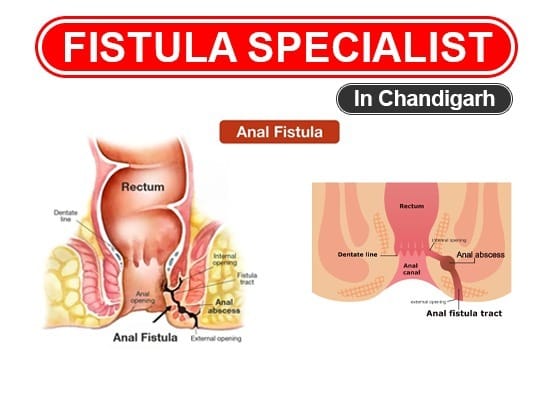
Fistula Laser Surgery: Advanced Treatment for Faster Recovery at Mukat Hospital Fistulas are abnormal passages that form between two body parts, such as an organ and the skin, or between two organs, often causing pain, discharge, and other complications. Commonly, fistulas occur near the anus, known as anal fistulas, but they can also develop in other areas, like the digestive tract. Traditional fistula treatments can be invasive and involve lengthy recovery times. However, recent advances in laser technology have introduced a minimally invasive alternative known as fistula laser surgery for anal fistulas. This cutting-edge procedure is now available at Mukat Hospital in Chandigarh, offering patients an effective solution with quicker recovery and less discomfort. What Causes Fistulas, and Why Treat Them? Fistulas can develop for various reasons, including infections, inflammation, trauma, or complications from surgeries or medical conditions such as Crohn’s disease or diverticulitis. Anal fistulas, the most common type, usually result from abscesses or infections near the anus that don’t heal correctly, leaving an abnormal tract. Symptoms of a fistula often include pain, swelling, irritation, and sometimes pus or foul-smelling blood discharge. In severe cases, untreated fistulas can lead to chronic infections and complications, underscoring the importance of timely treatment. Understanding Fistula Laser Surgery Laser surgery for fistula treatment is a groundbreaking technique that addresses the fistula with precision and minimal tissue disruption. Unlike traditional surgery, which often involves significant incisions and can result in longer recovery times, fistula laser surgery uses controlled laser energy to seal the fistula tract from the inside. This innovative approach minimizes damage to surrounding tissue, reduces the risk of infection, and promotes faster, more comfortable recovery. Benefits of Fistula Laser Surgery at Mukat Hospital Choosing fistula laser surgery at Mukat Hospital comes with numerous advantages: Minimally Invasive Procedure: Laser surgery requires only a small incision, minimizing tissue trauma and damage to adjacent sphincter. Patients experience less bleeding, scarring, and postoperative pain compared to traditional surgical methods. Enhanced Comfort and Reduced Pain: With fewer and smaller incisions, fistula laser surgery minimizes discomfort and the need for pain medication after the procedure, allowing patients to return to their routines faster. Faster Recovery Time: Due to its minimally invasive nature, fistula laser surgery reduces the recovery period significantly, enabling patients to return to daily activities within days instead of weeks. Lower Risk of Infection: Traditional surgeries often involve open wounds, which can increase the risk of infection. The controlled, precise application of the laser reduces the chance of post-surgical infection and promotes healthier, cleaner healing. High Success and Low Recurrence Rates: Laser surgery is associated with high success rates and low recurrence rates, providing patients with long-term relief and greater peace of mind. Why Mukat Hospital is the Preferred Choice for Fistula Laser Surgery Mukat Hospital in Chandigarh stands out for its expertise in advanced, minimally invasive surgical techniques. Our hospital is equipped with state-of-the-art technology, including high-precision lasers, enabling our surgical team to perform fistula laser surgery with exceptional accuracy and safety. Under the guidance of our experienced specialists, patients receive individualized care plans designed to ensure successful outcomes and minimize recovery time.Our dedicated medical team and support staff prioritize each patient’s comfort, safety, and long-term well-being. By choosing Mukat Hospital for fistula laser surgery, patients benefit from high-quality medical care combined with compassion and respect. Our specialists take the time to explain the procedure, address any concerns, and provide clear instructions for post-surgery care, ensuring patients feel informed and supported at every step. The Fistula Laser Surgery Procedure: What to Expect If fistula laser surgery is determined to be the best option, the procedure typically involves a few key steps: Preparation and Anesthesia: The surgery begins with the administration of local or regional anesthesia to ensure patient comfort. This type of anesthesia allows patients to remain comfortable during the procedure without the need for full sedation. Laser Application: Using a specialized laser probe, the surgeon carefully treats the fistula tract from the inside. The laser’s controlled energy gently seals the abnormal channel without harming surrounding tissue. Short Procedure Time and Outpatient Care: The entire procedure is usually completed within a short time frame, and most patients can go home the same day or the next day(depending upon patient). This outpatient approach minimizes the disruption to patients’ lives, allowing them to recover comfortably in their own homes. No major dressing required in post-op period. Post-Surgery Care and Recovery Following the procedure, most patients experience mild soreness or discomfort that typically subsides within a few days. Mukat Hospital’s team provides detailed aftercare instructions to support healing and ensure the best possible outcome. These recommendations may include guidance on maintaining hygiene, avoiding constipation, avoiding certain activities, and monitoring for any signs of infection. Patients can typically return to their regular activities within a few days, although strenuous activity should be avoided for a short period to allow full healing. Follow-up appointments may be scheduled to monitor progress and ensure the fistula has healed completely. Schedule a Consultation at Mukat Hospital If you’re struggling with a fistula and seeking an effective, minimally invasive solution, consider fistula laser surgery at Mukat Hospital. Our experienced team is dedicated to offering advanced treatments that enhance patient comfort and deliver long-lasting relief. A consultation with our specialists will help determine if laser surgery is the best option for your situation and answer any questions you may have. Experience the latest in fistula treatment with fistula laser surgery at Mukat Hospital – where advanced technology meets compassionate care. Contact us today to book an appointment and take the first step toward a pain-free future. Customer Health Location locationCreated with Sketch Beta. Facebook Twitter Youtube Linkedin Instagram
Effective Relief with Laser Fissure Surgery
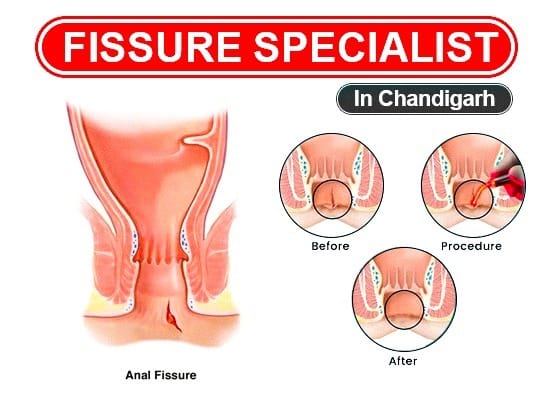
Effective Relief with Laser Fissure Surgery: Advanced Care at Mukat Hospital Anal fissures, small tears in the lining of the anus, can cause persistent pain and bleeding, impacting daily life and activities. For those suffering from chronic fissures, Mukat Hospital offers a modern, minimally invasive solution with Laser Fissure Surgery. This advanced procedure is designed to alleviate discomfort quickly, helping patients resume their normal routines with minimal downtime. Here’s a comprehensive look at laser fissure surgery and why Mukat Hospital in Chandigarh is a trusted destination for this treatment. Understanding Anal Fissures and Their Causes Anal fissures often result from chronic conditions that put excessive pressure on the anus, leading to small tears. Common causes include: Constipation and Straining: Frequent straining, especially due to constipation, can cause pressure that leads to tears in the anal lining. Chronic Diarrhea: Repeated bowel movements and irritation from diarrhea can damage the sensitive tissues in the anus. Trauma from Childbirth: The strain and stretching that occurs during childbirth can also contribute to the development of anal fissures. Inflammatory Bowel Disease (IBD): Individuals with IBD are at higher risk of developing fissures due to inflammation in the digestive tract. Spicy Food: Spicy food can irritate the digestive tract, leading to discomfort and inflammation in the anal area. This irritation may worsen existing fissures or, in some cases, trigger new ones. Low Oral Liquid Intake: Low oral liquid intake can lead to hard stools, increasing the risk of fissures. Staying hydrated helps soften stools, reducing strain during bowel movements. For some people, these fissures may heal with non-surgical treatments, but others, especially those with recurring or chronic fissures, often require a more advanced approach like laser surgery to achieve lasting relief. Laser Fissure Surgery: A Minimally Invasive Solution Laser fissure surgery represents a significant advancement in treating chronic anal fissures. Unlike traditional surgical methods, which may require incisions and involve longer recovery periods, laser fissure surgery is minimally invasive. This technique uses focused laser energy to carefully treat and repair the affected tissue without making large incisions. The laser energy applied during surgery not only addresses the fissure but also helps seal blood vessels, which minimizes bleeding and reduces discomfort during the recovery period and also prevents damaging surrounding sphincters, hence prevents anal incontinence formation. Patients who undergo laser fissure surgery often experience faster healing, reduced pain, and a smoother recovery process, allowing them to return to their normal lives quickly. Key Benefits of Laser Fissure Surgery at Mukat Hospital At Mukat Hospital, we prioritize innovative, patient-centered care. Laser fissure surgery is offered as a solution for patients who have not found relief from other treatments. Here are some reasons why laser surgery for fissures is becoming the preferred choice: Minimally Invasive and Precise: Laser fissure surgery doesn’t involve large cuts or stitches, making it a safer, less invasive option with fewer risks of infection and complications. Reduced Pain and Bleeding: The laser technology helps in sealing blood vessels while treating the fissure, which results in less bleeding during and after the procedure. Patients report minimal pain compared to traditional surgeries. Quick Recovery Time: Unlike open surgery, which may require longer hospital stays and recovery, laser fissure surgery typically allows patients to go home the same day. Recovery is often swift, with many patients resuming their activities shortly after. High Success Rate: Laser treatment has shown excellent results in managing chronic fissures that haven’t responded to other treatments, helping prevent recurrence and allowing patients to regain comfort and quality of life. Less Chances of Anal Incontinence: Laser fissure surgery greatly reduces the risk of anal incontinence due to minimal chances of sphincter damage. This precise technique targets only the affected area, preserving the surrounding muscle and providing a safer recovery. The Laser Fissure Surgery Process at Mukat Hospital Our experienced fissure surgery specialist and medical professionals use a step-by-step, personalized approach to laser fissure surgery. Here’s what patients can expect: Comprehensive Assessment: Each patient undergoes a thorough examination to confirm the diagnosis and determine if laser fissure surgery is the most suitable treatment option. Customized Treatment Plan: Our team discusses the procedure in detail with the patient, addressing questions and creating a treatment plan tailored to individual needs and health conditions. Procedure and Care: The laser fissure surgery is conducted with precision in a sterile environment. The procedure is quick, usually completed within an hour, with a focus on patient comfort. Postoperative Care and Monitoring: After surgery, our team provides postoperative care instructions to ensure a smooth recovery. Regular follow-ups are scheduled to monitor healing and address any concerns Why Mukat Hospital Is a Top Choice for Laser Fissure Surgery Mukat Hospital is known for its commitment to cutting-edge technology and patient-centered care. Our team of experts and medical staff work together to create a supportive, safe environment where patients feel well-informed and comfortable throughout their treatment journey. Here are just a few reasons why patients choose Mukat Hospital for their laser fissure surgery needs: Experienced Surgical Team: Mukat Hospital’s medical team specialize in laser and minimally invasive procedures, bringing a wealth of experience to each case. Advanced Technology and Facilities: Equipped with the latest in laser technology, Mukat Hospital ensures precise, effective treatment for better patient outcomes. Personalized Patient Care: From initial consultation to recovery, each patient receives individualized attention and support, helping them feel at ease every step of the way. Take the Next Step Toward Pain-Free Living If anal fissures are impacting your quality of life, it may be time to consider the benefits of laser fissure surgery. Mukat Hospital’s compassionate team is here to help you achieve effective relief with advanced, minimally invasive care. Contact us today to book a consultation and learn more about how laser fissure surgery can provide a quick, effective solution for your needs. Customer Health Location locationCreated with Sketch Beta. Facebook Twitter Youtube Linkedin Instagram
Finding the Right Asthma Specialist in Chandigarh

Finding the Right Asthma Specialist in Chandigarh: Mukat Hospital’s Commitment to Respiratory Health Living with asthma can be challenging, but with the right support and care, you can enjoy an active, fulfilling life. Mukat Hospital in Chandigarh provides specialized care for asthma, focusing on helping patients effectively manage their symptoms. If you’re searching for a reliable asthma specialist in Chandigarh, here’s how Mukat Hospital can meet your needs. Understanding Asthma and Its Effects Asthma is a long-term respiratory condition that inflames and narrows the airways, resulting in symptoms like wheezing, coughing, shortness of breath, and chest tightness. While asthma has no cure, its symptoms can be controlled with the proper treatment plan. Managing asthma well can make a tremendous difference in quality of life, and Mukat Hospital’s specialists are here to help you achieve just that. Mukat Hospital’s Expert Asthma Care Team Mukat Hospital has a dedicated team who focus on asthma management. Led by professionals such as Dr. Komal Chaudhary, Consultant Pulmnologist, who works closely with each patient to understand their specific symptoms, triggers, and lifestyle. This individualized approach ensures that every patient receives the right treatment to control their asthma and reduce symptoms. Comprehensive Asthma Care Our asthma specialists follow a holistic approach to asthma care, which includes: Thorough Diagnosis: To create an effective treatment plan, our specialists conduct in-depth assessments, including lung function and allergy testing, to understand the root causes and severity of each patient’s asthma. Personalized Treatment Plans: After evaluating the patient’s condition, our specialists craft a customized treatment plan, often involving a combination of inhalers, medications, breathing exercises, and lifestyle modifications. Patient Education: Education is a cornerstone of asthma management. Mukat Hospital’s specialists provide valuable guidance on avoiding asthma triggers, properly using inhalers, and recognizing early warning signs of an asthma episode. Ongoing Monitoring and Follow-Up: Asthma requires continuous monitoring. Our specialists schedule regular follow-ups to track each patient’s progress and adjust treatments as necessary, ensuring optimal long-term care. State-of-the-Art Facilities for Advanced Asthma Treatment Mukat Hospital is equipped with the latest diagnostic technology, allowing for precise assessments and effective treatment options. Our facilities and equipment help our asthma specialists deliver high-quality care that reduces the frequency and intensity of asthma symptoms, allowing patients to lead more active, comfortable lives. Why Choose Mukat Hospital in Chandigarh for Asthma Management? Experienced Specialists: Mukat Hospital’s asthma specialists have extensive experience managing asthma and other respiratory issues, providing patients with top-level care. Patient-Centered Approach: Our specialists emphasize compassionate care, creating a supportive environment for patients to learn about and manage their asthma confidently. Modern Technology: With advanced technology and diagnostic tools, Mukat Hospital provides a cutting-edge approach to asthma treatment tailored to each individual. Schedule a Consultation with an Asthma Specialist in Chandigarh If asthma is impacting your life, it may be time to consult with one of Mukat Hospital’s skilled asthma specialists. With our comprehensive and compassionate care, Mukat Hospital can help you manage your symptoms and improve your respiratory health. Contact Mukat Hospital today to book an appointment with an asthma specialist and take a positive step toward a healthier, more active life. Customer Health Location locationCreated with Sketch Beta. Facebook Twitter Youtube Linkedin Instagram
Spinal Injury Treatment | Mukat Hospital

Spinal Injury Treatment | Mukat Hospital The spine is a crucial part of our body’s structure, supporting movement, protecting the spinal cord, and enabling complex bodily functions. When a spinal injury occurs, it can significantly impact a person’s quality of life by limiting movement, causing pain, or even leading to loss of sensation and mobility. Early and proper treatment is essential for better recovery outcomes. Here, we’ll outline the main types of spinal injuries, explore treatment options, and provide guidance for recovery. Types and Causes of Spinal Injuries Spinal injuries are generally classified as either traumatic or non-traumatic: Traumatic Injuries These result from sudden impacts like car accidents, falls, sports-related incidents, or violence. They can lead to fractures, vertebral dislocations, or spinal cord compression, which may cause partial or complete loss of function below the injury. Non-Traumatic Injuries Caused by conditions like arthritis, tumors, infections, or degenerative diseases, these injuries can be equally debilitating. Non-traumatic spinal injuries often develop gradually but can still result in significant impairments. Common spinal injury types include: Fractures: These involve broken vertebrae, often due to impact or sudden force. Dislocations: When vertebrae become misaligned, it can disrupt spinal function. Compression Injuries: Typically resulting from high impact, these injuries cause vertebrae to collapse or compress. Spinal Cord Injuries (SCI): When the spinal cord itself is damaged, it can cause varying degrees of paralysis and loss of sensation. Treatment Options for Spinal Injuries The goal of spinal injury treatment is to stabilize the spine, relieve pain, and restore as much function as possible. Treatment plans are customized depending on the type and severity of the injury. Emergency Care Immobilization: Immediately after a spinal injury, immobilizing the spine is critical to prevent additional damage. This might involve a neck collar or spinal board. Emergency Surgery:In severe cases, surgery may be required to stabilize the spine, decompress the spinal cord, or remove bone fragments. Non-Surgical Approaches Medication:Anti-inflammatory drugs and muscle relaxants can help manage pain and inflammation. Pain relievers and other medications may also be prescribed as part of the treatment plan. Physical Therapy:Therapy is essential for restoring movement, building strength, and improving flexibility. Rehabilitation often includes exercises and techniques to regain mobility and function. Bracing:A brace can provide support, especially for minor fractures or when the spine needs stabilization without surgery. Surgical Treatment Options Decompression Surgery:Used to relieve pressure on the spinal cord, this procedure involves removing part of the vertebra or disc causing the compression. Spinal Fusion:In cases where stability is compromised, spinal fusion surgery may be used to join two or more vertebrae, reducing movement that could worsen the injury. Laminectomy: This procedure involves removing a portion of the vertebra, which can relieve nerve pressure and alleviate pain. Emerging and Advanced Treatments Stem Cell TherapyResearch into using stem cells to repair damaged spinal tissue shows promise, though it is still under study. Electrical StimulationSpinal cord stimulation can sometimes help restore motor function and sensation in patients with partial paralysis. Robotics and Exoskeletons:Advanced exoskeletons can assist patients with mobility, allowing them to walk and move with support. Technology in RehabilitationTools like virtual reality and robotic-assisted exercises are being introduced in rehabilitation to promote movement and support neurological recovery. Rehabilitation and Long-Term Care Rehabilitation is a core component of spinal injury recovery, aiming to improve strength, mobility, and independence. Physical Therapy: Exercises focused on strengthening the body and maintaining flexibility are essential. Occupational Therapy: This helps patients relearn skills needed for daily activities, improving independence in areas such as dressing and eating. Psychological Support: A spinal injury can be life-changing, and mental health support is crucial to cope with emotional challenges. Community Integration: Rehabilitation programs help individuals return to their routines and engage in social and recreational activities, boosting quality of life. Ongoing Recovery and Lifestyle Adjustments Rehabilitation is a core component of spinal injury recovery, aiming to improve strength, mobility, and aRecovering from a spinal injury often requires long-term lifestyle adjustments. Here are essential tips for maintaining well-being:independence. Regular Check-Ups: Ongoing medical check-ups help monitor recovery progress and prevent complications Exercise and Activity: Controlled and gentle movement, as advised by medical professionals, can help prevent muscle loss and support circulation. Healthy Diet: A nutritious diet is vital for energy, tissue healing, and overall wellness. Emotional and Peer Support: Joining support groups or speaking with others who understand spinal injuries can provide a sense of community and encouragement. The Future of Spinal Injury Treatment Medical advancements offer hope to those affected by spinal injuries. Research in areas like stem cell therapy, robotic assistance, and neurostimulation is advancing, and these innovations are expected to improve outcomes and enhance patients’ independence and quality of life. Conclusion: Treatment for spinal injuries has made significant strides, offering many avenues for recovery and a better quality of life. From emergency stabilization to advanced rehabilitation, each step in the process is vital for regaining movement, strength, and confidence. Mukat Hospital & Heart Institute is committed to providing cutting-edge spinal care, supported by experienced specialists and tailored rehabilitation programs. If you or a loved one is dealing with a spinal injury, consult our team to discuss a personalized treatment plan. Customer Health Location locationCreated with Sketch Beta. Facebook Twitter Youtube Linkedin Instagram
Heart Stenting Surgery in Chandigarh: Life-Saving Care at Mukat Hospital

Heart Stenting Surgery in Chandigarh: Life-Saving Care at Mukat Hospital Heart stenting surgery, also known as percutaneous coronary intervention (PCI), has become a crucial procedure for managing heart diseases, particularly for patients with coronary artery disease (CAD). This minimally invasive technique can effectively restore blood flow, alleviate chest pain, and prevent heart attacks. Mukat Hospital, a top healthcare provider in Chandigarh, specializes in heart stenting surgeries, offering patients access to expert care and advanced technology. What is Heart Stenting Surgery? Heart stenting is a procedure used to open blocked or narrowed arteries in the heart. This is achieved by inserting a small, expandable tube called a stent into the affected artery to keep it open, allowing blood to flow more freely to the heart muscle. During the procedure, a cardiologist threads a thin catheter through a blood vessel in the groin or wrist to reach the blocked artery. A balloon at the tip of the catheter is inflated to open the artery, and the stent is placed to maintain the artery’s openness. Once the stent is secured, the balloon is deflated and removed, but the stent remains in place permanently to support proper blood flow. Who Should Consider Heart Stenting? Heart stenting is often recommended for individuals with: Coronary artery disease (CAD): When plaque builds up inside the arteries, it can reduce or block blood flow to the heart, causing chest pain and other symptoms. Acute heart attacks: In emergency cases, stenting can be used to restore blood flow and minimize heart damage. Severe arterial blockages: If lifestyle changes or medications aren’t enough to treat the problem, stenting may be necessary to ensure proper blood flow. Why Mukat Hospital is the Right Choice for Heart Stenting Experienced Cardiologists: At Mukat Hospital, our cardiologists, including Senior Interventional Cardiologist have extensive experience in performing heart stenting surgeries. Our team provides individualized care and is highly skilled in the latest techniques, ensuring patients receive the best possible treatment. Advanced Medical Technology: Mukat Hospital is equipped with the most modern diagnostic and surgical tools to perform heart stenting procedures with precision and accuracy. Our facilities meet global standards, ensuring that every patient receives high-quality, cutting-edge cardiac care. Comprehensive Cardiac Services: We offer a complete range of cardiac services, from diagnosis to recovery. Mukat Hospital’s cardiology department provides pre-surgery assessments, lifestyle counseling, and post-operative care to support long-term heart health and recovery. Patient-Centered Approach: Our focus is always on the patient. We provide personalized care, catering to each patient’s unique medical needs, while ensuring that the treatment process is comfortable and supportive. Our compassionate team is always available to assist patients and their families throughout the care journey. The Advantages of Heart Stenting Surgery Heart stenting offers several key benefits: Minimally invasive: The procedure involves smaller incisions compared to traditional surgery, leading to a faster recovery time. Rapid recovery: Most patients can return to their regular activities within a week, allowing for a quick return to daily life. Relief of symptoms: Patients often experience an immediate improvement in symptoms like chest pain (angina) after the procedure. Reduced risk of heart attacks: By improving blood flow to the heart, stenting significantly reduces the risk of future heart attacks and complications. Post-Surgery Recovery and Care Following heart stenting surgery, patients are typically kept in the hospital for observation for a short period. Mukat Hospital provides comprehensive post-procedure care, ensuring that patients receive the proper guidance on medications, diet, and lifestyle changes to maintain heart health. Our team continues to support patients during recovery, offering follow-up consultations and monitoring to ensure a smooth recovery. Conclusion: Heart stenting surgery plays a vital role in treating coronary artery disease and preventing heart attacks. At Mukat Hospital in Chandigarh, we provide top-notch care, combining advanced medical technology with a highly skilled team of cardiologists to ensure the best possible outcomes for our patients. Our commitment to compassionate and patient-centered care ensures that every patient receives personalized attention throughout their treatment journey. Customer Health Location locationCreated with Sketch Beta. Facebook Twitter Youtube Linkedin Instagram
Understanding URS
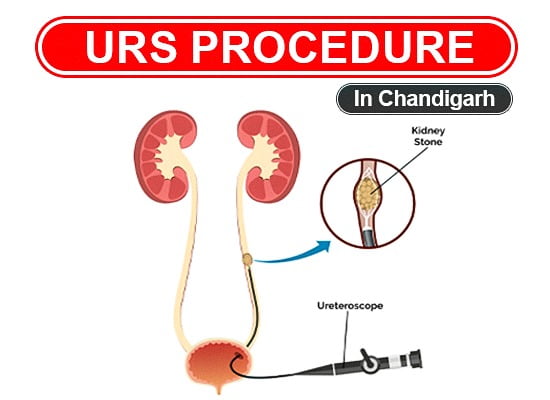
Understanding URS (Ureteroscopy): A Minimally Invasive Treatment for Kidney Stones At Mukat Hospital, we are dedicated to providing advanced solutions for a wide range of urological conditions. One such highly effective procedure is Ureteroscopy (URS), a minimally invasive method used to treat kidney stones and other urinary tract issues. This procedure offers patients relief with minimal discomfort and a swift recovery. What is Ureteroscopy (URS)? Ureteroscopy is a medical procedure used to examine the inside of the ureters, which are the tubes that connect the kidneys to the bladder, and to treat issues such as kidney stones. A ureteroscope—a thin, flexible tube with a camera attached—is carefully inserted through the urethra, bladder, and into the ureter. This allows the urologist to see the stone and remove it or break it into smaller, more manageable pieces. When is URS Needed? URS is particularly effective in treating: Kidney stones: Stones that are too large or problematic to pass naturally can be safely treated with this method. Urinary tract blockages: If there is a blockage obstructing the flow of urine, URS can be used to diagnose and resolve the issue. Ureter abnormalities: URS can also help diagnose and treat issues such as tumors, strictures, or inflammation in the ureters. Benefits of URS Minimally Invasive: URS involves no external cuts or incisions, meaning less pain, lower risk of infection, and faster healing times. High Success Rate: When combined with laser lithotripsy (which breaks up stones using laser energy), URS has a high rate of successfully treating kidney stones. Short Recovery Period: Most patients can return to their normal activities within a few days of the procedure. Fewer Complications: Compared to more invasive surgeries, URS carries fewer risks and complications, making it a safer option for many patients. The URS Procedure: What to Expect The procedure is typically performed under regional anesthesia, ensuring the patient is comfortable throughout. During the procedure, the ureteroscope is guided through the urinary tract until the stone is reached. Depending on the size and location of the stone, the urologist may either remove it or use a laser to break it into smaller fragments, allowing them to pass naturally through the urine. Post-Procedure Care and Recovery After the procedure, some mild symptoms may be experienced, including: Burning sensation during urination Increased frequency of urination Slight blood in the urine These symptoms usually subside within a few days. It is recommended to drink plenty of fluids to help flush out any remaining fragments and reduce the risk of future stone formation. Most patients can resume their normal routines within a short period. Why Choose Mukat Hospital for URS? At Mukat Hospital, we prioritize providing high-quality care using the latest medical technology. Our experienced urologists are highly trained in performing URS and other minimally invasive procedures, ensuring that patients receive the best possible outcomes with the least amount of discomfort. With a focus on patient safety, comfort, and care, we aim to make every patient’s experience as seamless as possible.Whether you are dealing with kidney stones or another urological issue, our team of specialists is here to help you find relief and restore your quality of life. Conclusion: Ureteroscopy (URS) is a proven, safe, and effective method for treating kidney stones and other urinary tract problems. If you are experiencing symptoms related to kidney stones or have been diagnosed with a urinary tract condition, reach out to our team at Mukat Hospital to discuss your treatment options. For more information or to schedule a consultation, contact Mukat Hospital today. We are here to help you get back to living life without discomfort. Customer Health Location locationCreated with Sketch Beta. Facebook Twitter Youtube Linkedin Instagram
Arthritis Treatment in Chandigarh – Mukat Hospital
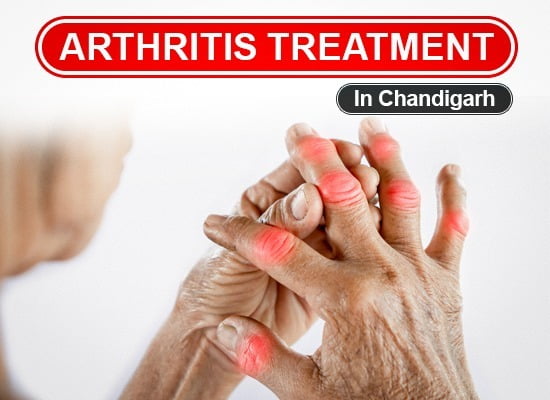
Arthritis Treatment in Chandigarh – Mukat Hospital Arthritis is a widespread condition that impacts millions of people globally, significantly affecting their quality of life. For those living in Chandigarh, Mukat Hospital provides premier care for arthritis treatment, distinguished by its advanced facilities, skilled medical professionals, and patient-focused care approach. Understanding Arthritis Arthritis encompasses over 100 different types of joint pain or joint disease. The most prevalent forms are osteoarthritis and rheumatoid arthritis, although other types include gout, lupus, and fibromyalgia. Symptoms can vary widely but commonly include joint pain, swelling, stiffness, and reduced range of motion. The Impact of Arthritis Arthritis can severely impact daily activities, making simple tasks difficult and painful. It affects individuals of all ages but is more common in older adults. Early diagnosis and treatment are crucial to managing symptoms and preventing further joint damage. This is where Mukat Hospital excels, offering specialized arthritis treatment in Chandigarh. Why Choose Mukat Hospital for Arthritis Treatment? 1. Expert Medical Team: Mukat Hospital features a team of highly qualified and experienced rheumatologists, orthopedic surgeons, physiotherapists, and pain management specialists. These professionals collaborate to develop personalized treatment plans tailored to each patient’s needs. 2. Advanced Diagnostic Tools: Accurate diagnosis is the foundation of effective treatment. Mukat Hospital is equipped with state-of-the-art diagnostic tools, including digital X-rays, CT, and ultrasound, to ensure precise identification of the type and severity of arthritis. 3. Comprehensive Treatment Options: Mukat Hospital provides a broad spectrum of treatment options for arthritis, ensuring that patients receive the most suitable care for their condition. These include: Medication Management: Various medications such as NSAIDs, corticosteroids, and DMARDs (Disease-Modifying Antirheumatic Drugs) are used to control pain and inflammation. Physical Therapy: Customized exercise programs and physical therapy sessions help improve joint function, mobility, and strength. Surgical Interventions: When conservative treatments are not effective, surgical options such as joint replacement or arthroscopy may be considered. Lifestyle Modifications: Patients receive education on lifestyle changes that can help manage arthritis symptoms, such as weight management, diet, and exercise. Pain Management: Innovative pain management techniques, including injections and minimally invasive procedures, are available to provide relief from chronic pain. 4. Patient-Centric Approach: Patient care is the top priority at Mukat Hospital. The hospital’s staff is dedicated to providing compassionate and personalized care, ensuring that each patient feels heard and supported throughout their treatment journey. Regular follow-ups and monitoring help in adjusting treatment plans as needed to achieve the best outcomes. Innovative Arthritis Treatments at Mukat Hospital Mukat Hospital is at the forefront of adopting innovative treatments for arthritis. Some of the latest advancements available include: 1. Biological Therapies: Biological therapies, or biologics, are a new class of drugs that target specific components of the immune system. These treatments have shown promising results in managing rheumatoid arthritis and other inflammatory forms of arthritis. 2. Platelet-Rich Plasma (PRP) Therapy: PRP therapy involves injecting a concentration of a patient’s own platelets into the affected joints. This can help reduce inflammation and promote healing, offering relief from arthritis symptoms. 3. Stem Cell Therapy: Stem cell therapy is an emerging treatment that aims to repair damaged tissues and reduce inflammation. This innovative approach has the potential to provide long-lasting relief for arthritis patients. 4. Minimally Invasive Surgery: For patients requiring surgical intervention, Mukat Hospital offers minimally invasive techniques such as arthroscopy. These procedures involve smaller incisions, leading to quicker recovery times and reduced risk of complications. Community Outreach and Education Mukat Hospital is dedicated to raising awareness about arthritis and educating the community on prevention and management strategies. Regular workshops, seminars, and health camps are organized to provide valuable information and support to arthritis patients and their families. Conclusion: Living with arthritis can be challenging, but with the right treatment and support, patients can lead active and fulfilling lives. Mukat Hospital in Chandigarh is committed to providing the highest standard of care for arthritis patients, utilizing advanced treatments and a compassionate approach. If you or a loved one is struggling with arthritis, consider Mukat Hospital as your partner in managing and overcoming this condition. With its expert medical team, cutting-edge facilities, and patient-centric philosophy, Mukat Hospital stands as a beacon of hope and healing for arthritis patients in Chandigarh and beyond. Customer Health Location locationCreated with Sketch Beta. Facebook Twitter Youtube Linkedin Instagram


